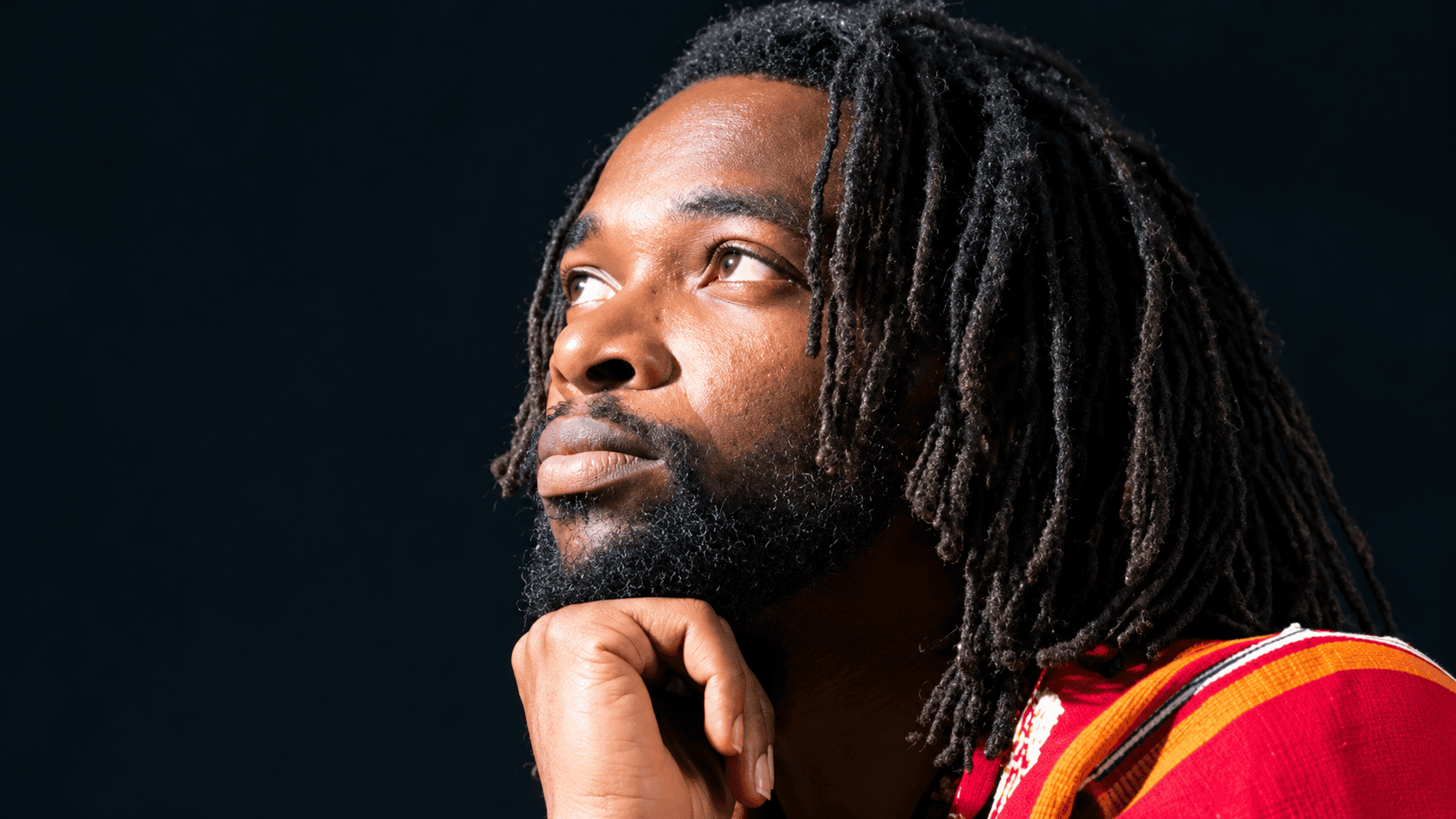

Peter arrived in the United Kingdom in late 2021.
It was winter.
The first thing he noticed was not the cold.
It was the silence.
The absence of the noise he was used to in Lagos. The movement. The unpredictability. In London, everything felt structured, controlled, almost too still.
For a moment, it felt as though stability had a sound.
But stability has layers.
Peter and his family moved into a two-bedroom apartment Tunde had helped secure. It was functional, clean, and fully furnished. On paper, it looked like progress.
But reality is rarely measured on paper.
The first adjustment was space.
In Lagos, they had lived in a large family house with enough room for routine, privacy, and comfort. In London, the apartment felt compressed.
The rooms were smaller than expected. The kitchen surprised his wife the most. Compact, efficient, and far removed from the kind of space she had managed daily in Nigeria.
The children adjusted faster.
They accepted they would now share a room and sleep on a double bunk bed. To them, it became normal quickly. Children often adapt before adults fully process change.
Peter observed everything quietly.
Then came the structure of everyday survival.
The student visa pathway came with limitations. Working hours were restricted for Sola, Peter’s wife. Time had to be divided between study, childcare, and income.
Gradually, reality began reorganising itself around necessity.
Peter realised he could not work regular daytime shifts. His wife had lectures and academic responsibilities. The children needed preparing for school in the mornings and collecting in the evenings.
Someone had to remain available during the day.
In Nigeria, this had never formed part of his routine.
He had three cars.
A personal driver handled school runs.
His time had revolved around executive responsibilities, meetings, and long-term planning.
In the UK, those systems disappeared almost immediately.
Everything became manual.
Tunde suggested he buy a small car and consider care work temporarily, a sector where many recent migrants found opportunities quickly because of labour shortages.
Peter resisted the idea.
Not because the work lacked dignity, but because he struggled to reconcile his former professional identity with reality before him.
Back in Nigeria, he had managed teams, financial portfolios, and corporate decisions. In the UK, none of that experience carried immediate value within the labour market he had entered.
Like many skilled migrants, Peter encountered a familiar reality:
Qualifications, experience, and social status do not always transfer across borders in equal measure.
For many new arrivals, rebuilding often begins below previous professional levels, regardless of past achievements.
Instead, Peter took factory shifts at night after managing to get an affordable car for the family. He sold his three cars in Nigeria and converted the proceeds into pounds to buy another vehicle in the UK.
The only property they still owned in Nigeria was their house, now locked up and left in the care of his brother-in-law, who visited every weekend to clean and maintain it.
With Tunde’s help, Peter passed his driving test, and commuting to work at night gradually became easier.
The work was physically demanding, but it allowed him to remain available for the children during the day.
The routine soon became relentless.
Night shifts.
Morning exhaustion.
Brief sleep.
School runs.
Household responsibilities.
Then repetition.
Over time, fatigue stopped feeling temporary and became part of the structure itself.
Peter’s experience was unfolding within a much larger migration pattern already reshaping sections of Nigeria’s professional class.
Between 2021 and 2025, the United Kingdom, Canada, and the United States continued attracting increasing numbers of Nigerian professionals across healthcare, technology, finance, engineering, academia, and skilled services.
The movement became especially visible within healthcare.
During this period, thousands of Nigerian-trained doctors, nurses, and healthcare professionals relocated abroad, particularly to countries facing workforce shortages and ageing populations.
At the same time, sectors such as healthcare, social care, construction, logistics, warehousing, transport, and factory operations increasingly depended on migrant labour to sustain workforce demand.
For many migrants, these systems created opportunity, income stability, and long-term settlement pathways.
But beneath the opportunity sat another reality.
Research on migrant labour integration in the UK has repeatedly highlighted the issue of skill underutilisation, where qualified migrants work below their previous training or experience levels after arrival.
For countries like Nigeria, however, the implications extend beyond migration numbers.
The departure of skilled professionals represents movement of talent, training investment, institutional experience, and middle-class capital at a scale that continues reshaping sectors already facing domestic pressure.
Increasingly, the migration wave is no longer limited to either the wealthy or the poor.
It is the professional middle class leaving too.
For Peter, however, the most difficult adjustment was not necessarily financial.
It was psychological.
The awareness that migration had altered not only location, but hierarchy, routine, identity, and even the meaning of progress itself.
At the same time, the system continued functioning exactly as designed.
The UK required workers across sectors facing labour shortages. International education created legal entry pathways. Migrant labour filled critical gaps across multiple industries.
For many migrants, the system provided opportunity.
For many institutions, it provided sustainability.
But within that structure, outcomes remained uneven.
Some adapted successfully.
Some advanced gradually.
Some remained suspended between survival and stability for years.
For many families like Peter’s, the transition involved far more than relocation.
It involved rebuilding an entire life structure from the beginning.
At the same time, many migrants still believed the long-term calculation made sense, particularly in areas such as healthcare access, future residency pathways, and educational opportunities for their children.
One evening, after returning from another overnight shift, Peter sat quietly before preparing the children for school.
For the first time since arriving, he stopped comparing the UK to Nigeria.
He simply looked at the reality in front of him.
Not necessarily better.
Not necessarily worse.
Just different. Different systems, different pressures, different costs.
And slowly, he began understanding something many migrants eventually discover privately.
Migration does not end struggle.
It changes its shape.
THE TRAP continues.