

When success stops feeling like success
For many high-performing professionals, the end of a career does not arrive as closure. It arrives as confusion.
Layoffs, retirement, restructuring, or voluntary exits are usually framed as logistical transitions. Financial plans are reviewed. Calendars are cleared. Life administration takes centre stage.
Beneath the surface, something quieter and more destabilising begins to shift.
A surprising number of people describe not relief, but disorientation. Not freedom, but a strange absence where structure used to be.
What emerges is a question high achievers rarely expect to confront so directly:
Who am I when I am no longer performing?
Across coaching, therapy, leadership development and behavioural health, practitioners are observing the same pattern. The end of work is not simply the end of income or responsibility. It is often an identity rupture.
Aman Chahal recounts how a single media appearance triggered professional collapse, digital interference and isolation, forcing her into a long struggle to rebuild her career while questioning institutional accountability and the personal cost of speaking publicly within powerful systems.
The invisible shock of losing structure
Therapist Hunter Cook describes identity loss after high-performance careers as one of the most underestimated psychological experiences in adulthood. In his view, the issue is not retirement or job loss in isolation. It is the sudden disappearance of a long-standing system that reinforced self-worth every day.
High performers move through life with tightly packed schedules, constant decision making and visible contribution. Their value is mirrored back to them through outcomes, recognition and responsibility.
When that structure disappears, many experience a restlessness that feels difficult to articulate. Stillness becomes uncomfortable. Productivity becomes a reflex rather than a requirement. Some overfill their time. Others withdraw.
Cook notes that what appears to be functioning on the surface often requires increasing psychological effort underneath. Irritability, emotional flatness and quiet withdrawal are common early signals.
The issue is not inactivity. It is the loss of the feedback loop that told a person who they were.
Why high performers are especially vulnerable
Clinical perspectives from Rebecca Silliman point to a deeper mechanism. High performers often build identity through usefulness.
Over time, achievement becomes more than work. It becomes evidence of worth. Titles, responsibilities and trust from others become internal proof of identity.
Silliman describes this as a system in which people are rewarded for performance until performance becomes indistinguishable from self.
When that system collapses, even voluntarily, the psychological impact is not simply sadness. It is destabilisation. Many report feeling as though they are still functioning but no longer anchored.
What complicates this further is that high performers are often least prepared for the emotional impact of change. Their history of competence reinforces the belief that they should be able to handle it. That belief delays emotional processing and deepens internal strain.
When purpose and performance stop aligning
From a leadership and organisational psychology perspective, Shawn McGinness highlights a shift often missed during career transitions.
It is not only the loss of role. It is the loss of meaning derived from role.
Many high achievers spend decades in environments where output is rewarded and identity is reinforced externally. Over time, the boundary between self and work weakens.
McGinness notes that what follows is often a grief response that is not immediately recognised as grief. People do not simply lose work. They lose a framework that organised their sense of purpose.
Without that framework, individuals often try to replace structure quickly. New roles, new projects, or constant activity become attempts to avoid confronting the deeper question of identity.
Meaning does not transfer on command. It has to be rebuilt internally.
The emotional conflict behind “I want change, but I am stuck”
Dawn Ledet, who works extensively with high-achieving professionals, describes the transition period as a psychological conflict between awareness and attachment.
Many individuals know they want change long before they act on it. The identity tied to their role creates resistance.
She describes this state as recognising the door is open while still feeling unable to walk through it.
Fear is not the only factor. There is also grief for a version of self-built over years. Even when a role is no longer fulfilling, it still holds meaning as identity infrastructure.
This creates a tension in which people are neither fully in the role nor fully outside it. They remain suspended between versions of themselves.
Why “stay busy” is not a solution
A consistent theme across experts is that common advice often misses the core issue.
Stay busy. Find hobbies. Keep moving forward.
These suggestions assume the problem is inactivity. In reality, many high performers are already highly active. The issue is not lack of activity. It is lack of internal orientation.
Without identity clarity, activity becomes another form of avoidance. The structure of work is simply replaced with new forms of structure that still depend on external validation.
Rebecca Silliman notes that sustainable change begins when individuals stop trying to replace their old role and start rebuilding how they relate to themselves outside performance.
This requires something many high achievers have had little practice with, sitting without output and allowing identity to reorganise without urgency.
What rebuilding looks like
Across coaching and clinical perspectives, a consistent pattern emerges.
Marriage and Family Therapist Jacob Brown explains that adaptation is often a gradual process rather than a clean emotional breakthrough. First, the loss of structure must be acknowledged. Then identity reconstruction begins.
Brown notes that individuals who struggle most are often those who immediately attempt to recreate their previous level of structure. Those who adapt more effectively tend to tolerate uncertainty longer and allow new sources of meaning to emerge gradually.
Retirement and life transition coach Sarah Barry adds that successful transitions often begin before exit rather than after. Individuals who have developed interests, relationships and identity anchors outside work tend to navigate change with more stability.
Dawn Ledet emphasises that the goal is not immediate reinvention. It is the development of self-trust without constant external confirmation.
Across perspectives, the pattern is consistent. Identity stabilises when it is no longer fully dependent on output.
The deeper misunderstanding about success
Author and burnout specialist Rabih El Khodr frames the issue as a structural misunderstanding of modern success.
High performers are often rewarded for traits that later make transition harder, indispensability, relentlessness, constant availability and emotional suppression in favour of output.
These traits build careers. They also build identities tightly fused to performance.
When the career ends, what remains is not emptiness. It is the absence of a system that continuously validated identity.
The challenge is not simply finding a new role. It is learning how to exist without constant proof of value.
Career strategist Alisia Gill believes modern workplace culture has intensified this problem. She points to the collapse of the old psychological contract between employers and employees, where loyalty and hard work were once expected to guarantee stability and recognition.
Today, professionals are encouraged to sacrifice for organisations that may still discard them without hesitation. For many high achievers, particularly those who built identity around reliability and contribution, the emotional impact can feel deeply personal.
Gill notes that many professionals eventually realise they prepared financially for career success, but not psychologically for what comes after it.
What identity rebuilding demands
Across therapeutic and coaching work, identity reconstruction rarely follows a straight line.
Certain patterns repeat consistently.
First comes disorientation. This is often mistaken for burnout or depression.
Then comes an identity audit. Individuals begin questioning what was real, what was performance, and what still feels meaningful.
Finally comes gradual rebuilding through experimentation. Not through insight alone, but through lived experience.
Meaning is not discovered in a single moment. It is built through repeated alignment between actions and values.
Several experts also emphasise the importance of relationships during this transition. Shawn McGinness argues that reconnecting with people outside achievement-based environments often becomes one of the strongest stabilising forces after career disruption.
The process is rarely fast. It often involves discomfort, uncertainty and periods of emotional ambiguity. However, many practitioners argue that this discomfort is not evidence of failure. It is evidence that identity is reorganising at a deeper level.
This piece explores how political candidates are increasingly judged by their digital past, where old posts resurface as political ammunition. It examines scrutiny, narrative manipulation and the pressure of campaigning in an era where no online history ever truly disappears.
The real transition is internal
The end of a high-performance career is often described as a transition. For many people, it is closer to a psychological reconstruction.
The work is not simply about retirement planning or career change. It is about identity architecture.
When external validation disappears, what remains is the person underneath the role. For many high performers, this is the first time they are required to meet themselves without the structure of achievement.
That meeting is where the real work begins.
Expert Profiles and Selected Quotes
Career strategist and coach, Era of Enough

Focus: identity disruption after layoffs, psychological impact of workplace shifts
“Career loss is rarely about employment alone. It is about the collapse of a structure that once held a person’s sense of direction.”
Author, Motivational Speaker, Life Coach
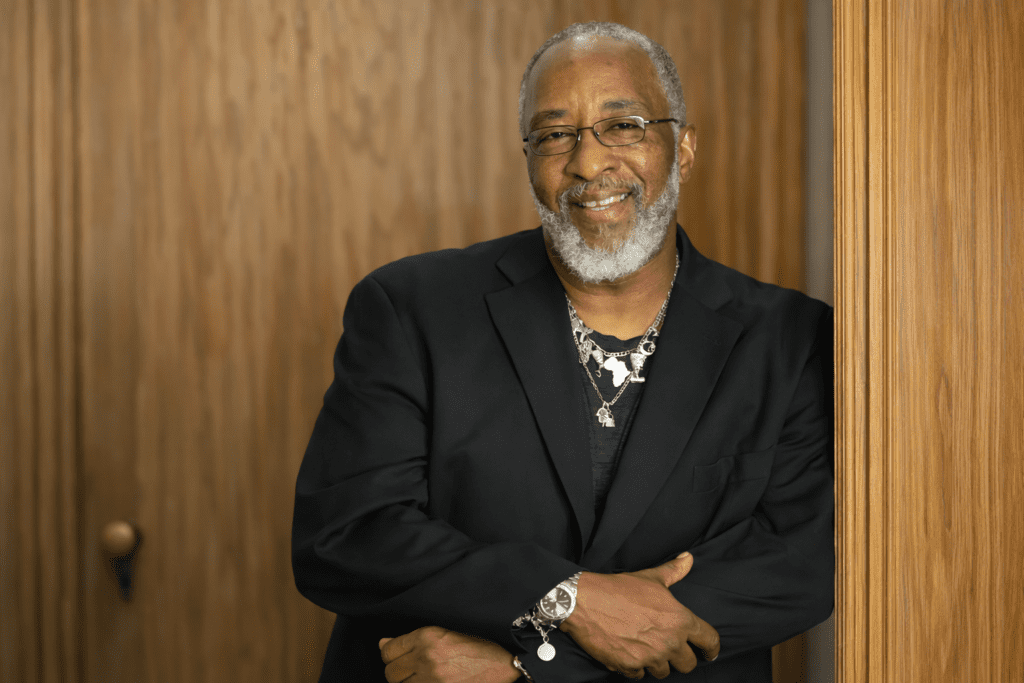
Focus: resilience, transformation after adversity, building emotional and financial legacy
“Adversity can break you or build you. Rising above it creates a legacy that lasts.”
Founder and Owner, Dimensions Counselling Centre

Focus: identity collapse, grief after role loss, emotional regulation during transition
“High performers do not simply lose a job. They lose the system that told them who they were.”
Associate Marriage and Family Therapist, Founder of Signal Strength

Focus: performance-based identity, values-based rebuilding, emotional transitions
“Performance becomes identity so gradually that people rarely notice it happening until it disappears.”
Self-trust coach

Focus: identity conflict, internal validation, emotional paralysis during career transitions
“Awareness opens the door. Attachment keeps people standing in the doorway.”
Marriage and Family Therapist
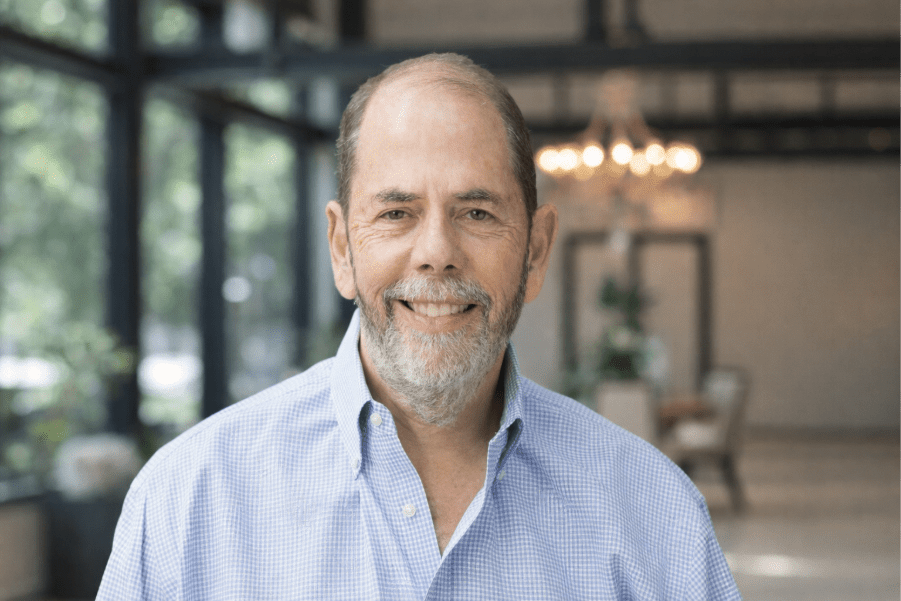
Focus: retirement transition, emotional adaptation, structure loss
“The people who adapt best are those who allow uncertainty to breathe rather than rushing to replace it.”
Certified Professional Retirement and Life Transition Coach

Focus: retirement identity, emotional preparedness, meaning development
“Identity resilience begins long before the final working day.”
Psychotherapist and Co-Founder, CEREVITY

Focus: grief after career endings, emotional ambiguity and identity loss
“Success can mask emotional fragility until the structure holding it up disappears.”
Mental health awareness advocate and behavioural health executive

Focus: grief responses, identity fusion with work, behavioural health transitions
“People do not grieve the job. They grieve the meaning the job once provided.”
Author of The Way Out of Burnout

Focus: survival mode performance, burnout culture, post-career identity reconstruction
“Modern success rewards traits that make identity loss almost inevitable when the role ends.”
Executive and Leadership Coach, Team Facilitator, Speaker

Focus: identity disruption among high performers, emotional transitions in late‑career professionals
“When the structure that once defined them disappears, they are forced to confront who they are without performance.”
Executive Coach, Venture Ahead

Focus: identity disruption after title loss, confidence erosion triggered by organisational politics
“Title loss hits hard because it disrupts identity, not income.”
Founder, Aspen Group Consulting

Focus: emotional and psychological transitions for high performers approaching retirement or major career shifts
“Many high achievers prepare financially for retirement but are unprepared for the identity loss that follows.”
Psychotherapist, Transition to Wellness

Focus: identity loss, emotional burnout, and major life transitions among high‑performing professionals
“When achievement becomes the source of self‑worth, its loss can feel like losing a sense of self.”