By Ola Aina
Breaking a Century-Old Continental Barrier
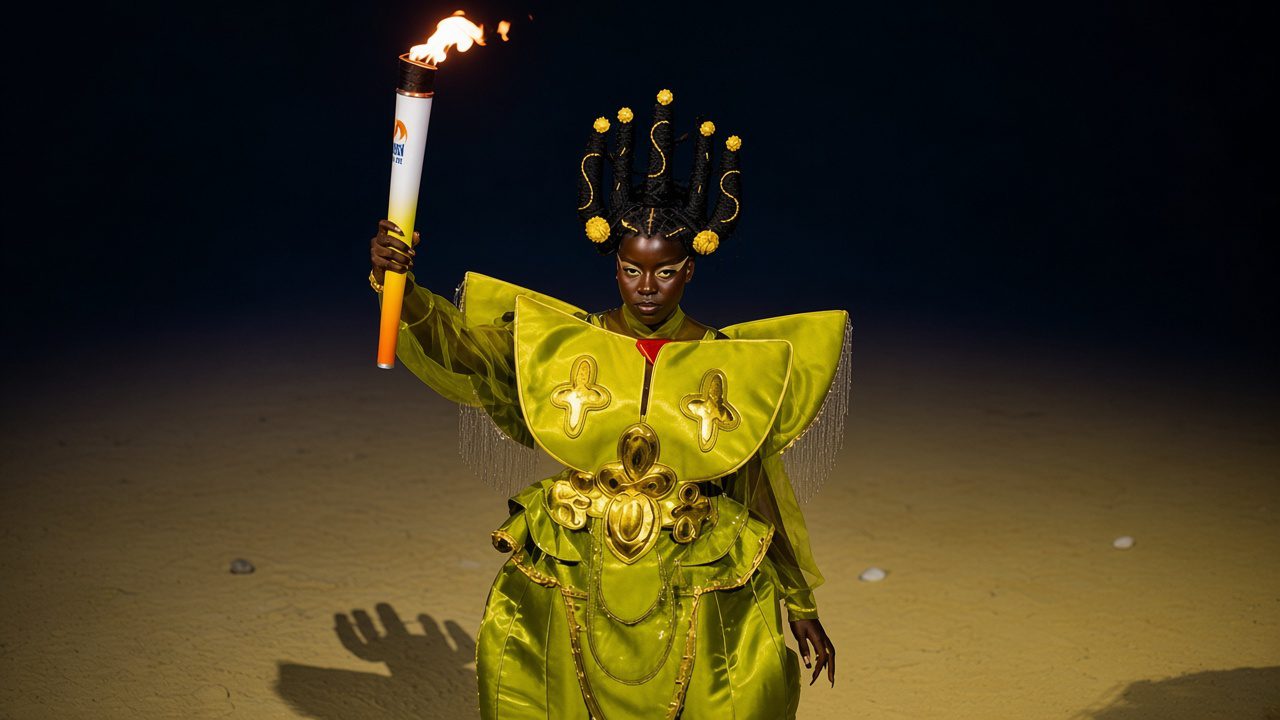
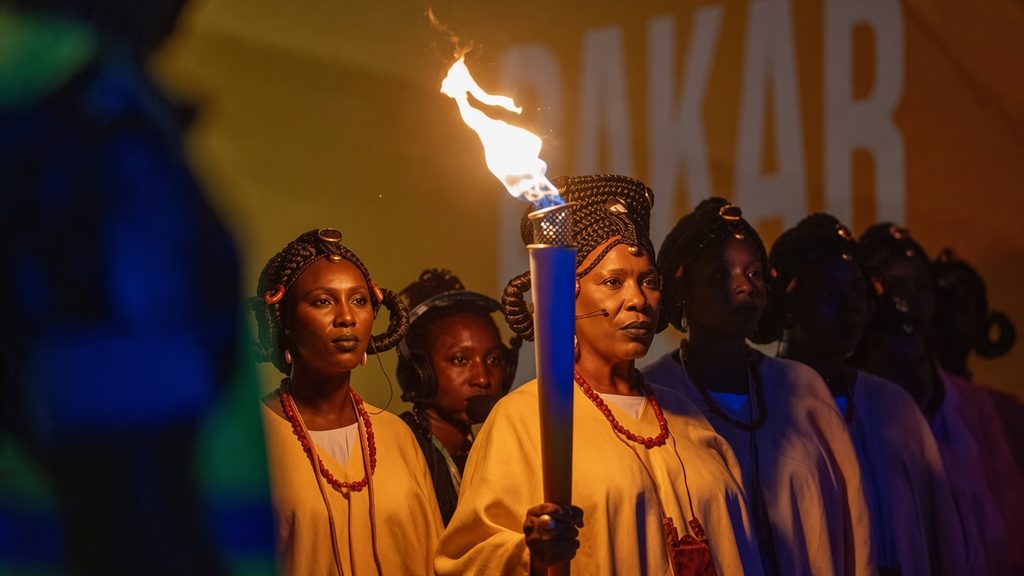
Senegal’s hosting of the 2026 Youth Olympic Games marks a historic turning point in Africa’s relationship with the global Olympic movement. For the first time, an Olympic sporting event is taking place on African soil, bringing approximately 2,700 young athletes together across 25 sports.
The achievement deserves recognition. However, its significance must be measured beyond ceremonies, international attention and sporting participation. The more important question is whether this historic opportunity will deliver lasting benefits for Senegal and Africa.
The Economics Behind the Olympic Ambition
Senegal’s government committed approximately 36 billion CFA francs, equivalent to $60 million, towards organising the Games. Separately, the French Development Agency provided financing for renovations to sporting infrastructure, including Stade Iba Mar Diop and the Olympic swimming pool.
The Abdoulaye Wade Stadium presents another dimension of the debate. Built at an estimated cost of $270 million, largely financed through loans, the 50,000-seat facility was conceived before Dakar secured the Youth Olympics. It was not required under the original Olympic bid. Its reported operating losses nevertheless raise questions about the sustainability of expensive sporting infrastructure.
The issue is not whether Africa should invest in modern facilities, but whether such investments deliver measurable public benefits and remain financially sustainable.
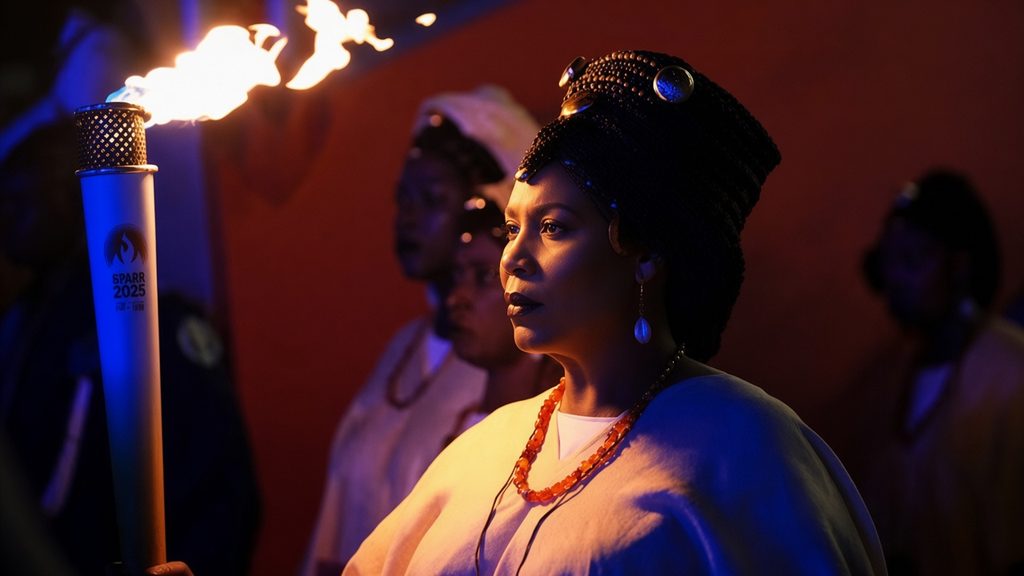
Africa’s Sporting Talent and Institutional Weaknesses
Africa continues to produce exceptional athletes, but inadequate grassroots facilities, inconsistent funding and limited development opportunities constrain sporting progress.
The contradiction is difficult to ignore. A continent capable of producing international champions still struggles to establish accessible sporting systems for millions of young people.
Dakar 2026 should encourage governments to balance the pursuit of prestigious international events with sustained investment in grassroots sports development.
The Social Cost and Legacy Question
The social consequences also demand attention. Students at Amadou Mahtar Mbow University were relocated to accommodate the Olympic Village, disrupting normal campus activities. Organisers and the IOC have presented the renovated facilities as a lasting university legacy, but the immediate disruption raises legitimate questions about the social costs of hosting major events.
Ultimately, Dakar 2026 should be judged by its economic sustainability, social impact and contribution to youth development.
Senegal has opened a historic door for Africa. The responsibility now is to ensure that this achievement produces lasting opportunities rather than becoming another expensive celebration.
Making history is an achievement. Building a sustainable legacy is a responsibility. Africa needs more than the opportunity to host international sporting competitions; it needs institutions, infrastructure and investment capable of sustaining sporting excellence long after the Olympic flame goes out.

Ola Aina is a Black British journalist based in London, specialising in African affairs. She reports on politics, social change, and culture across the continent, bringing depth and context to underreported stories. Through insightful, human-centred journalism, her work connects UK audiences with Africa’s complexities, challenges, and opportunities