
The end of a 33-year institution exposes the growing constraints on independent reporting and public accountability
TCMP
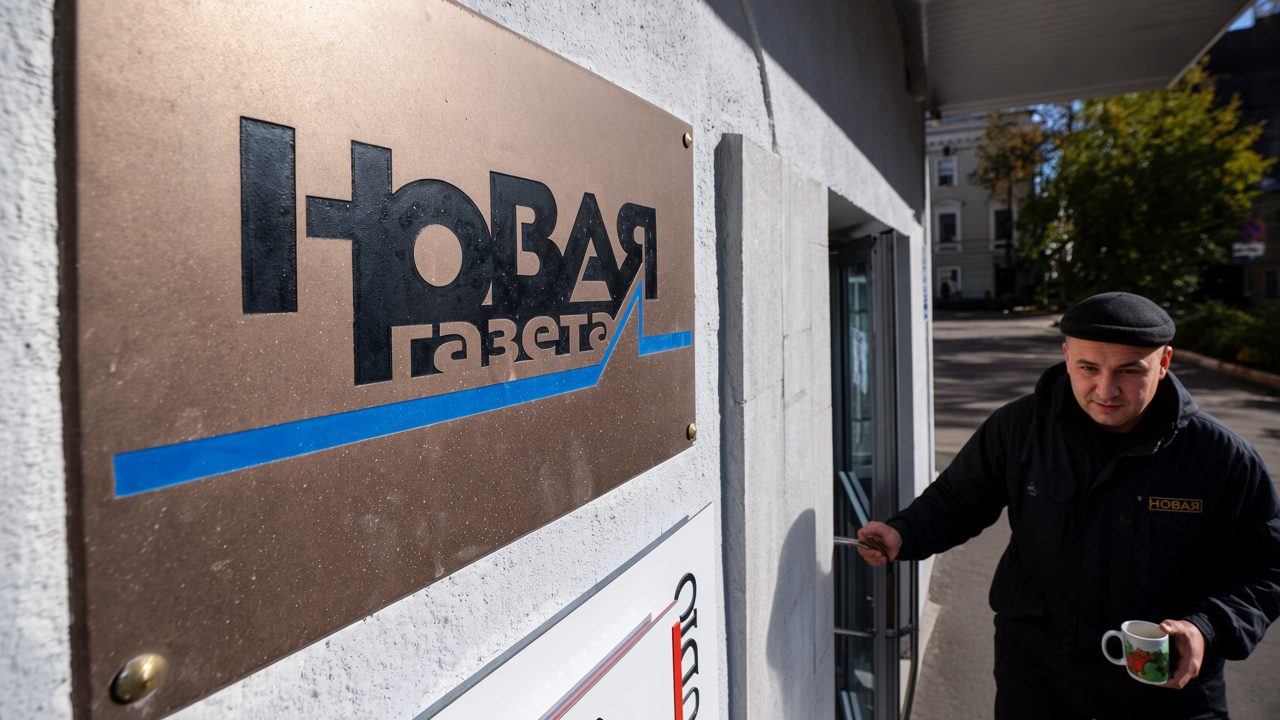
The closure of Novaya Gazeta on 9 November 2026 marks the end of a 33-year chapter in Russian journalism. Founded in 1993 with financial backing from former Soviet leader Mikhail Gorbachev, the newspaper established a reputation for investigative reporting on corruption, human rights abuses and the exercise of political power. Its departure from Russia’s media landscape represents more than the loss of an established newspaper. It raises questions about the institutional space available for journalism that scrutinises those in authority.
A legacy shaped by risk
Novaya Gazeta became one of Russia’s most recognised independent publications through reporting that challenged official accounts and exposed abuses. Its journalists operated in an environment where investigative work carried considerable personal risks.
Among them was Anna Politkovskaya, whose reporting on the war in Chechnya and human rights violations brought international recognition. She was murdered in Moscow in October 2006. Five other journalists and contributors associated with the newspaper were also killed in connection with their work.
In 2021, co-founder and then editor Dmitry Muratov received the Nobel Peace Prize jointly with Filipino journalist Maria Ressa. The award recognised their efforts to defend freedom of expression and highlighted the role of independent reporting in societies where scrutiny of political power faces sustained resistance.

The turning point after 2022
Russia’s full-scale invasion of Ukraine in February 2022 intensified restrictions on independent media. Legislation introduced in March that year imposed criminal penalties for spreading information about the armed forces that authorities considered false or for allegedly discrediting the military.
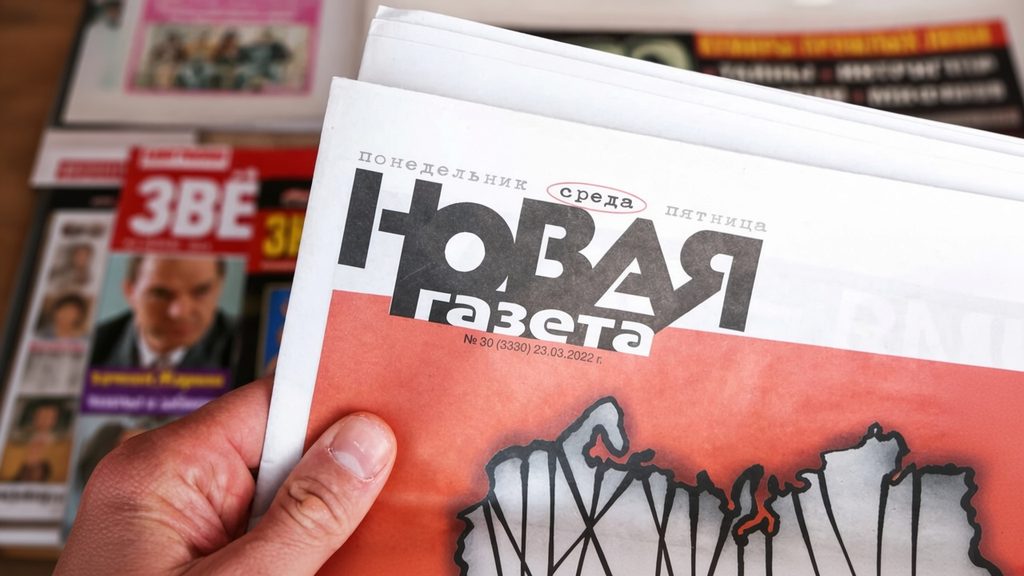
Novaya Gazeta suspended its print and online publication on 28 March 2022 following warnings from the media regulator, Roskomnadzor. Some members of its editorial team subsequently established Novaya Gazeta Europe in Latvia, a separate publication that continued reporting from outside Russia.
The distinction between the two organisations is significant. While the European publication continued operating, the original Moscow newsroom faced successive legal and administrative restrictions.
How institutional pressure accumulated
The newspaper’s difficulties extended beyond publication restrictions. In September 2022, a Moscow court revoked the registration of its print edition. Authorities subsequently blocked its websites, while its printing operations were brought to an end.
On 4 September 2026, Russia’s Ministry of Justice added Novaya Gazeta to its official register of foreign agents. The designation imposed additional legal obligations and exposed the publication to further scrutiny. More than 100 individuals associated with its work were also identified in connection with the designation.
In April 2026, police searched the newspaper’s Moscow office in connection with a criminal investigation involving investigative journalist Oleg Roldugin, who was charged with illegally accessing computer information. The investigation also involved a search of editor-in-chief Sergei Sokolov’s home.
Pressure intensified further in October when the newsroom received notice to vacate its Moscow premises by 9 November. The newspaper also reported that its reader donation platform had been shut down and that banks had stopped processing donations.
On 30 October, the editorial team announced that it would end its remaining operations. In its statement, the newspaper blamed Russian authorities and security services for making continued work impossible. On 9 November, the newsroom closed its Moscow office and shut down its servers.
These developments should be examined individually. A court ruling, a government designation, a criminal investigation, the withdrawal of banking services and an eviction are distinct actions. Establishing whether they were coordinated requires evidence. Their combined consequences, however, left the newsroom without the legal, financial and physical capacity to continue.
Beyond the closure of a newspaper
The disappearance of Novaya Gazeta from Russia’s domestic media environment exposes a wider institutional problem. Independent journalism does more than publish criticism. It creates public records, tests official explanations, investigates the exercise of authority and preserves evidence that might otherwise disappear from public debate.
When independent newsrooms lose the capacity to perform these functions, the effects reach far beyond journalists and media organisations. Citizens have fewer independent sources through which to assess government decisions, challenge public claims and examine abuses of authority.
Russian journalists working abroad may continue this work, but publications operating in exile cannot fully reproduce the access, source relationships and on-the-ground reporting of a newsroom based inside the country.
Novaya Gazeta’s closure therefore represents both a media loss and an institutional setback. Its history demonstrates the risks faced by journalists who investigate powerful interests, while its final chapter illustrates how legal, financial and administrative restrictions can progressively undermine an independent publication.
The question extending beyond Russia is what happens to public accountability when the institutions capable of independently scrutinising power are steadily deprived of the means to operate.