
From Runway Showcase To Global Fashion Business
By Seun Oni
Beyond the Runway
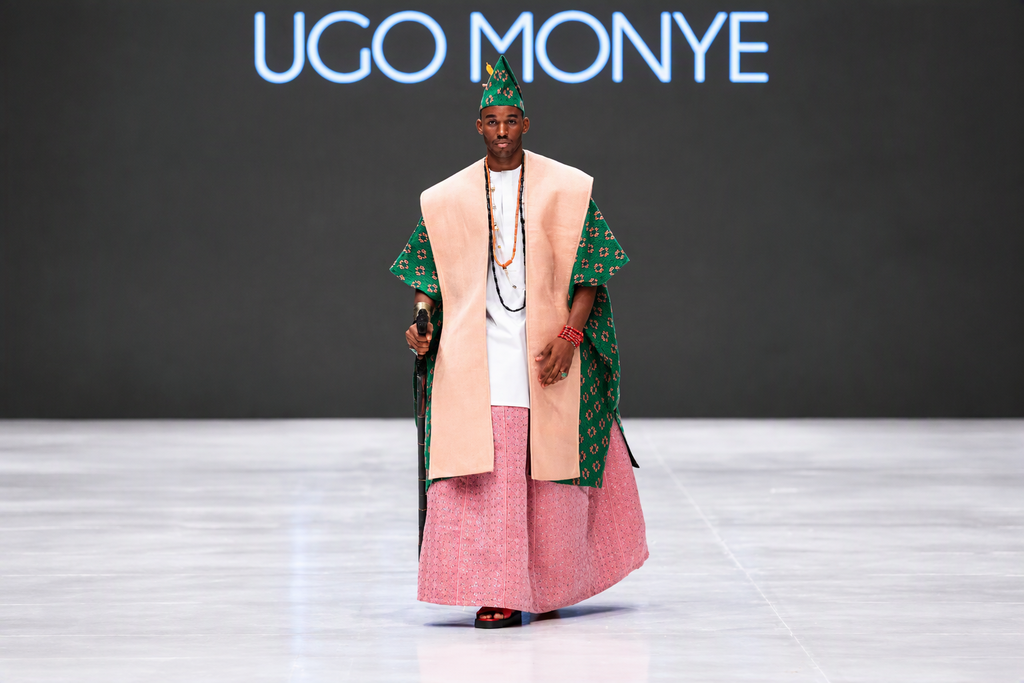
For fifteen years, Lagos Fashion Week has helped build an industry beyond the runway. Launched in 2011 as a platform for Nigerian designers, it has grown into a major African fashion gathering, connecting talent with commercial opportunities and markets.
Its growth reflects a wider ambition to move African fashion beyond cultural recognition and position it as a competitive force in the global fashion economy. The question is whether designers can turn international recognition into sustainable businesses.
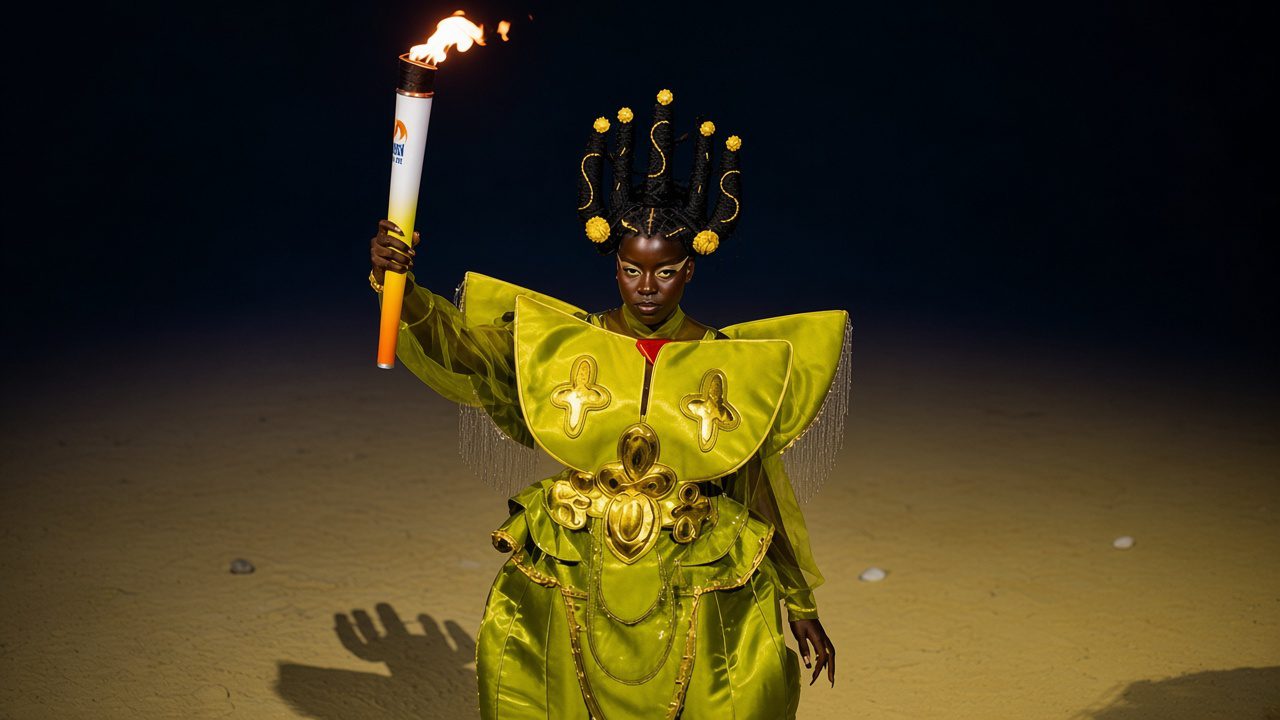
The 2026 edition, held from 28 October to 1 November under the theme CRAFTED: Heritage. Innovation. Circular Futures., placed African craftsmanship, contemporary design and sustainable production at the centre of its programme. More than 60 designers from across Africa participated, reinforcing the event’s Pan-African reach.
Building a Global Fashion Platform
Paris, London and New York benefit from established networks of brands, manufacturers, retailers, buyers, investors and media.
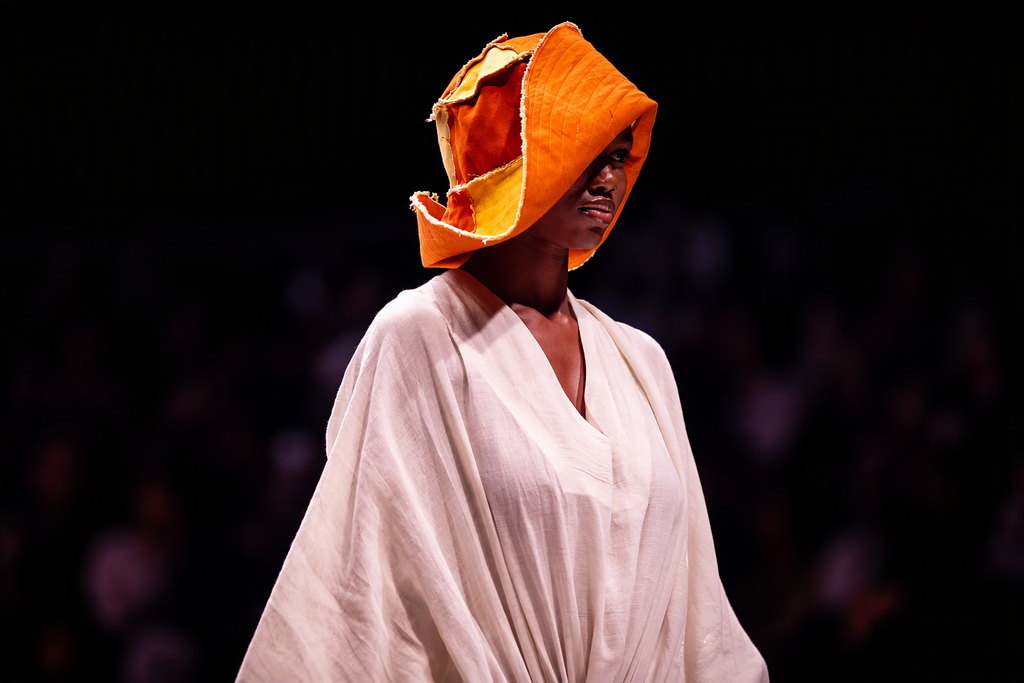
Lagos Fashion Week’s strengths include its Pan-African identity, creative talent, craftsmanship and ability to introduce African design to international audiences. Lagos’s distinct contribution is its Pan-African outlook, creative energy and ability to bring different design traditions into one platform. That gives the event an identity of its own, even as it seeks stronger links with established fashion markets.
Lagos does not have the same manufacturing capacity, retail infrastructure or global distribution networks as these established fashion centres. Its progress should be measured by the industry it is building, not by how closely it resembles Paris or London.
When Fashion Meets Commerce
Lagos Fashion Week is increasingly focused on the business behind the collections.
In 2024, Vogue reported increased international buyer interest, including representatives from Nordstrom, Moda Operandi and the Bicester Collection. Local luxury retailers, including Alára and Temple Muse, also helped connect designers with potential customers.
The following year, retail initiatives involving Nahous and Temple Muse gave selected designers opportunities to display and sell their collections. Vogue reported that Nahous hosted seven designers, while Temple Muse opened its premises to presentations. They addressed a longstanding gap between showcasing collections and making them commercially accessible.
The shift is significant because visibility has never been the only challenge facing African designers. Converting recognition into repeat orders, retail opportunities and reliable revenue is a more demanding task.
Buyer interest should not be confused with confirmed orders or sales. The commercial value of these encounters will depend on whether designers secure lasting retail relationships and can meet the demands that follow.
Lagos Fashion Week also supports business development, sustainability and talent discovery through programmes such as Green Access and the Fashion Business Series. The programmes aim to strengthen the wider fashion value chain beyond annual runway presentations.
The Business Challenges Behind the Glamour
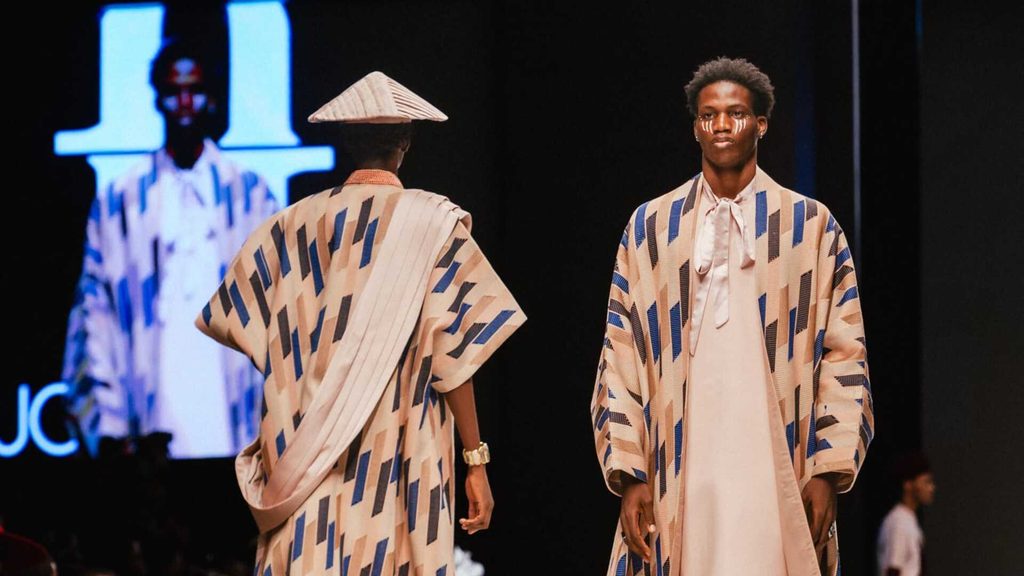
Despite its profile, the industry faces structural challenges that runway exposure cannot resolve.
Designers need access to finance, reliable electricity, modern production facilities, skilled workers and affordable raw materials. They need efficient distribution and access to international retailers.
Media attention and buyer interest mean little without production capacity, consistent quality, competitive pricing and reliable delivery.
Finance matters because designers often pay for materials and labour before receiving payment for orders.
Without stronger manufacturing and retail networks, many African fashion businesses risk remaining small operations with limited capacity to meet international demand.

Is the Future of Fashion African?
Designers across the continent are working in luxury fashion, ready-to-wear, streetwear, tailoring and experimental design, combining contemporary influences with local materials, craftsmanship and cultural histories.
Lagos Fashion Week’s sustainability initiatives promote responsible production, upcycling and alternative materials.
Africa’s fashion future depends on more than creativity. The continent must strengthen its manufacturing base, protect intellectual property, improve access to investment and retain more of the commercial value generated by African designs.
Beyond Recognition
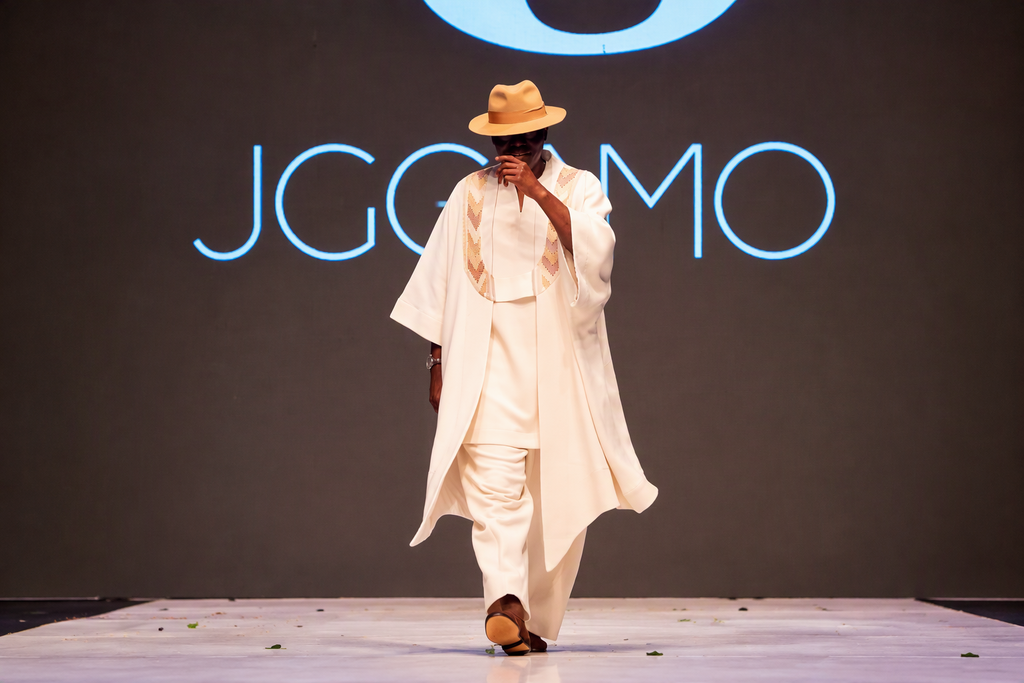
Governor Babajide Sanwo-Olu’s runway appearance for designer Ugo Monye during the 2026 edition brought public attention to the event and highlighted government’s relationship with the creative economy. Meaningful support must extend beyond appearances to policies that help fashion businesses grow.
Its next phase is more demanding: transforming visibility into scale, creativity into industry and recognition into long-term economic value.
The runway can introduce African fashion to the world, but strong businesses, manufacturing capacity and competitive markets will determine its future.
Seun Oni is a UK-based entertainment journalist recognised for her polished voice and incisive cultural reporting. She covers film, television, music and celebrity culture with a confident blend of industry awareness and human-centred storytelling. Her work spotlights emerging talent, shifting creative landscapes and the narratives shaping modern entertainment, establishing her as a credible and compelling voice in the field.