King Charles Expresses Sorrow, Badenoch Says Move On, Burnham Offers Dialogue
As Britain faces renewed demands for historical accountability, Ghana’s United Nations initiative and CARICOM’s reparations campaign raise a difficult question: what should recognition of slavery’s horrors mean today?
A King’s Sorrow, But No Formal Apology
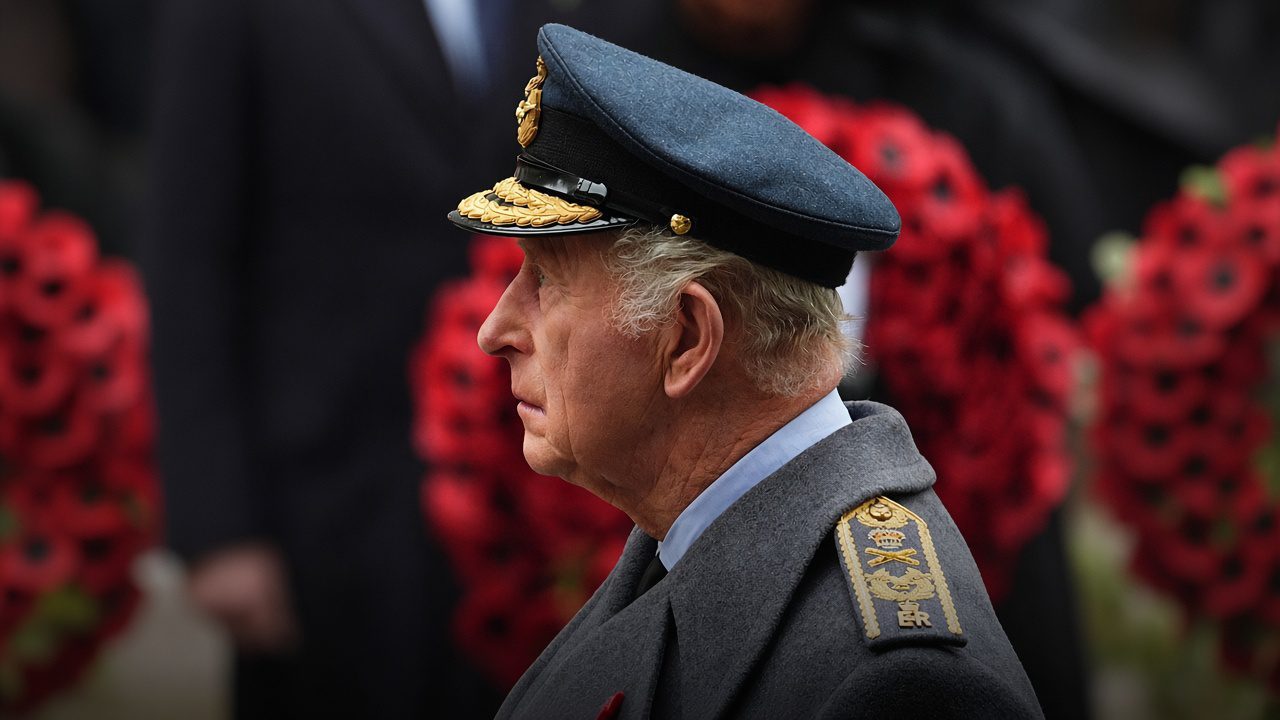
King Charles III’s address to Commonwealth leaders in Antigua has renewed debate about Britain’s history and present responsibilities.
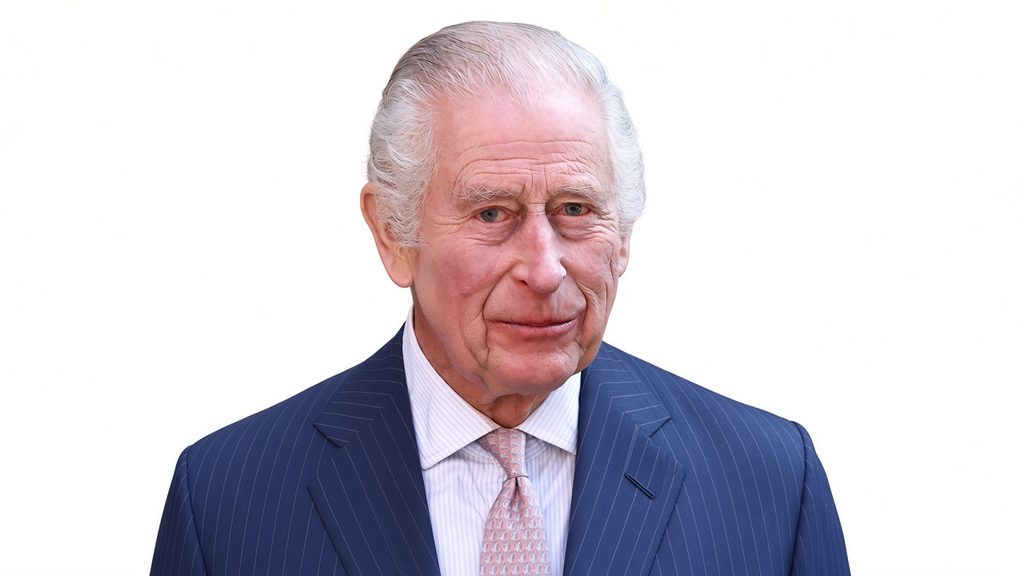
Describing the transatlantic slave trade as a “shameful chapter”, the King said it filled his heart with horror and his soul with “the most profound personal sorrow”. He acknowledged slavery’s continuing impact on Commonwealth nations and called for modern partnerships through education, employment, trade and climate resilience.
He stopped short of offering a formal apology or endorsing reparations, while highlighting the Royal Navy’s role in ending the international trade in enslaved people.
His remarks raise an important question: is an expression of sorrow sufficient when affected communities are demanding acknowledgement, accountability and material redress?
Badenoch And the Question of Inherited Responsibility
Conservative leader Kemi Badenoch opposes a formal apology and financial compensation. She argues that present generations should not apologise or pay for actions they did not personally commit. She has also highlighted the involvement of African rulers and merchants in the capture and sale of enslaved people.
African participation is part of the historical record and deserves honest examination. But does it cancel Britain’s responsibility as a major colonial power and participant in the transatlantic trade? Should responsibility be measured only by personal guilt, or should states and institutions also account for wealth and structures accumulated through historical exploitation?
Acknowledging African involvement does not erase Britain’s role. Equally, establishing historical responsibility does not automatically settle who should pay, how much or to whom.

Burnham’s Dialogue, Without Reparations
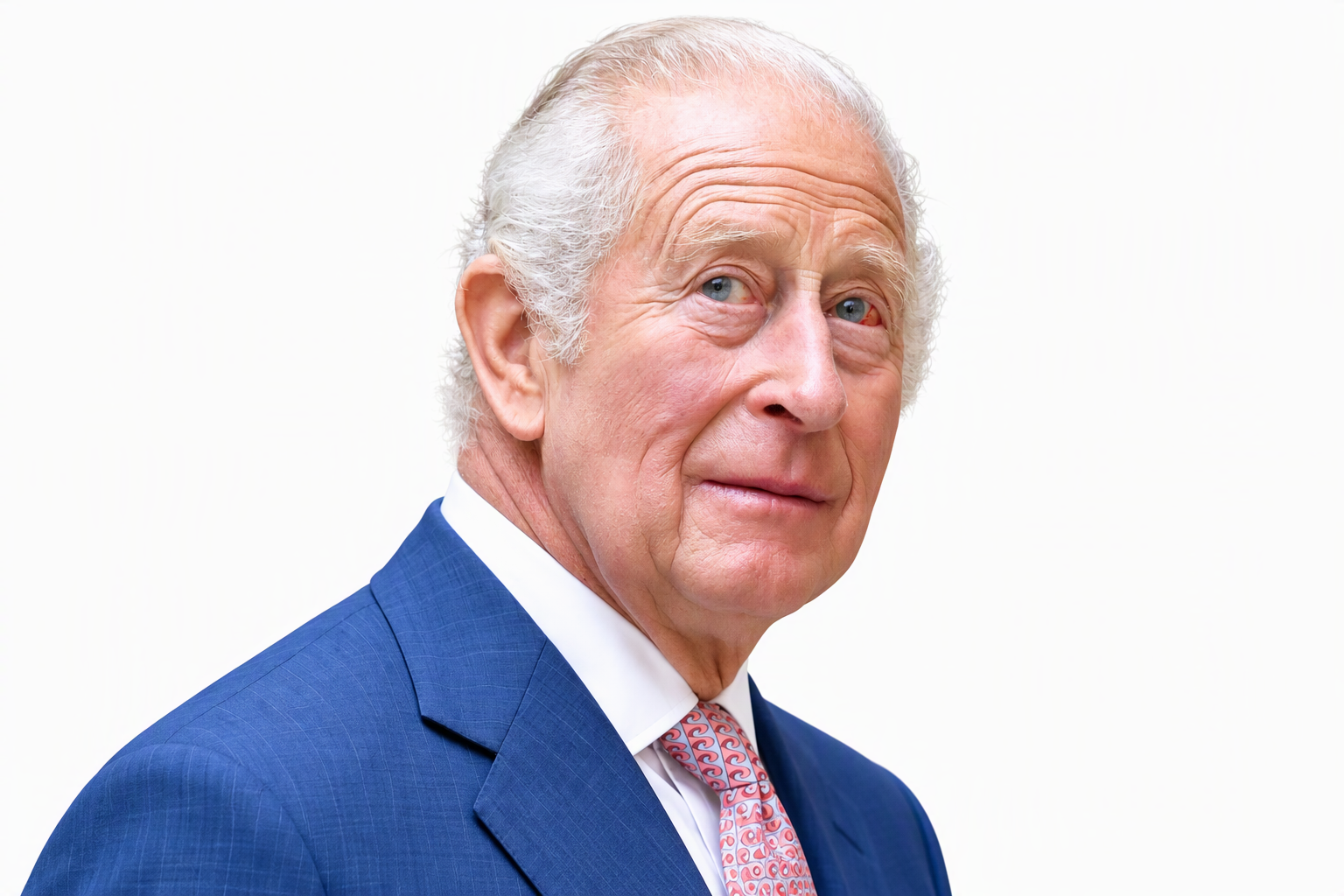
Prime Minister Andy Burnham has offered a different approach. He is open to dialogue about a formal apology but has ruled out direct financial reparations.
His proposals include debt restructuring for poorer Commonwealth countries and £40 million over three years for critical Caribbean infrastructure.
These measures could support development, particularly where high borrowing costs restrict economic growth. However, are they development assistance or reparatory justice? If they are not compensation, they should not be presented as a settlement of the reparations question.
Dialogue may create room for progress, but it is not a settlement in itself.

Andy Burnham
CARICOM’s Demands and The Questions of Implementation
CARICOM’s Ten-Point Plan places reparations within a wider framework, including public health, education, cultural rehabilitation, technology transfer, debt cancellation and monetary compensation.
Its advocates argue that slavery helped shape economic inequalities whose effects remain visible.
The practical questions are unavoidable. Who would fund the proposals? Which communities would qualify? How would benefits be distributed and monitored? These questions do not invalidate the demands. They are essential to turning them into credible policy.
Ghana’s United Nations Initiative and Its Significance
In March 2026, the United Nations General Assembly adopted a Ghana-led resolution describing the trafficking and racialised enslavement of Africans as the gravest crime against humanity. It received 123 votes in favour, three against and 52 abstentions. Britain abstained.
The vote was a significant diplomatic achievement, but the resolution is not a court judgment or an automatic order for compensation.
Britain defended its abstention by arguing that the resolution risks creating a hierarchy of historical atrocities and raises questions about applying international law retrospectively. Its official position is that legal responsibility must be assessed under the law applicable when the events occurred.
This is a substantial legal argument. However, does the absence of retrospective legal liability settle the separate moral and political questions of acknowledgement and reparatory justice? Britain recognises the horrors of slavery and its continuing scars. The debate is therefore also about what obligations that recognition should create today.
Britain’s Record and The African Dimension
Under the 1833 Slavery Abolition Act, the British government provided £20 million in compensation to slave owners, not enslaved people. The apprenticeship system that followed delayed full freedom until 1838.
This raises an uncomfortable question about whose losses the British state considered worthy of compensation.
African rulers and merchants who sold captives must also be part of the historical reckoning. Their involvement does not, however, absolve Britain, its merchants, plantation owners or other beneficiaries of the Atlantic system. Historical responsibility need not be exclusive to one party to be real.
Beyond Recognition: What Does Justice Require?
The debate should not become a contest between those demanding reparations and those insisting that the past should be left behind. An apology alone cannot replace practical action.
Apology, financial compensation, debt relief, institutional reform, cultural restitution and international recognition are distinct issues, each requiring its own justification and process.
King Charles has expressed sorrow. Badenoch challenges inherited responsibility. Burnham supports dialogue but rejects direct reparations. CARICOM and Ghana are pressing for a broader reckoning.
The central question remains: can Britain and its former colonies agree on a meaningful response to slavery’s legacy without confusing legal liability with moral responsibility, or development assistance with reparatory justice?
Recognition may be a beginning. What follows will reveal whether it is also a commitment.