Remembrance Sunday
By Oliver Grant
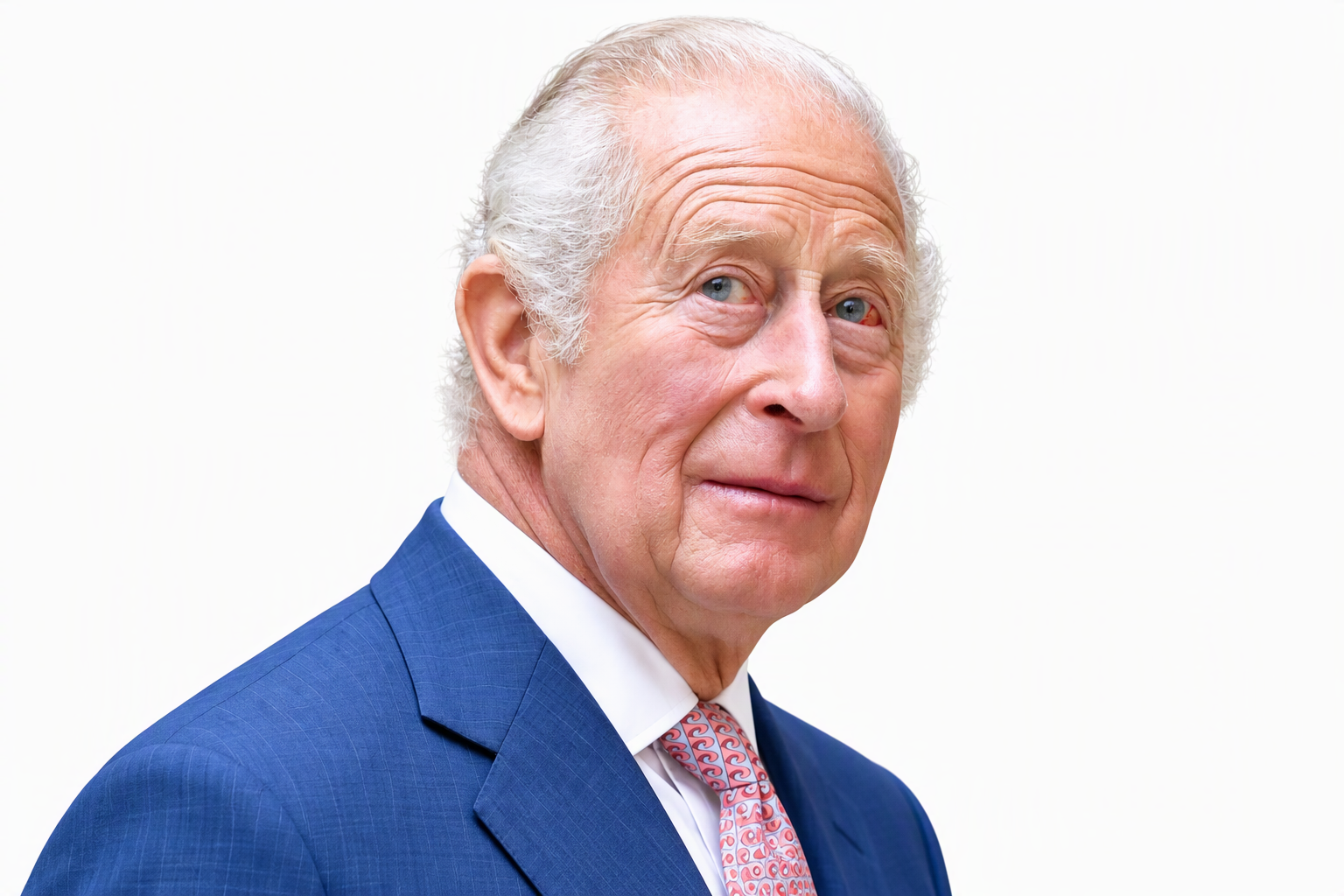
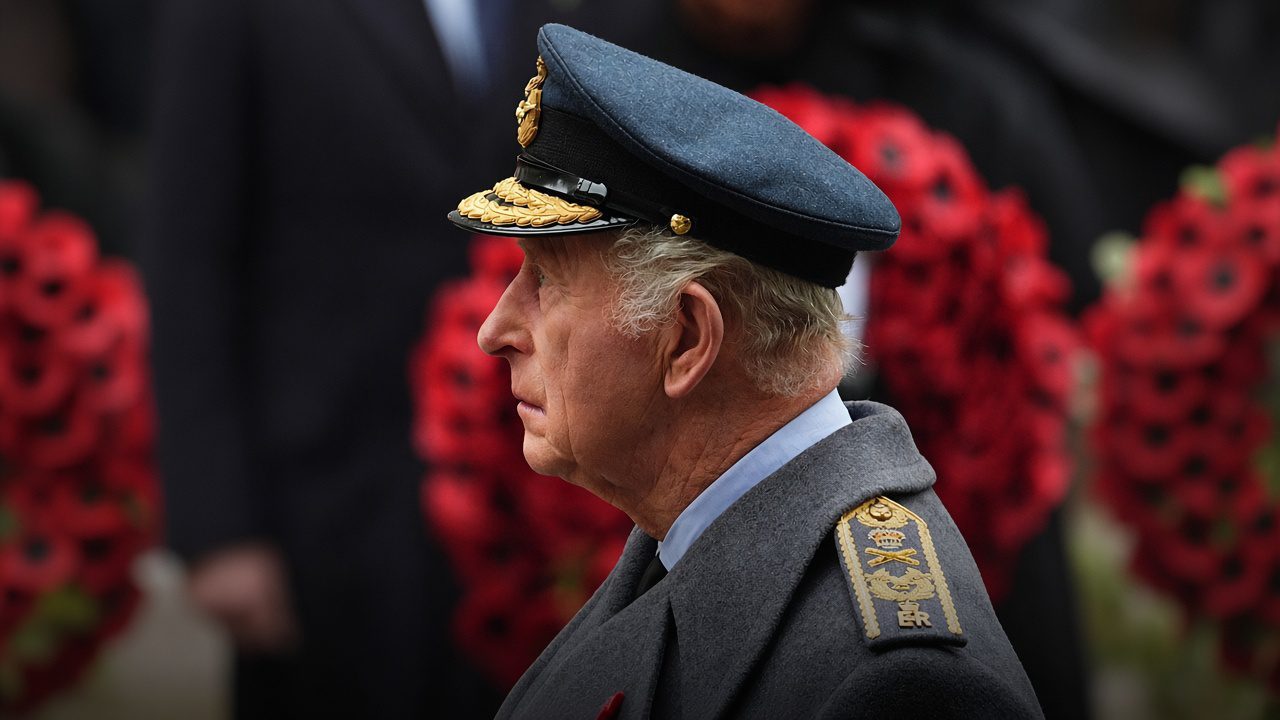
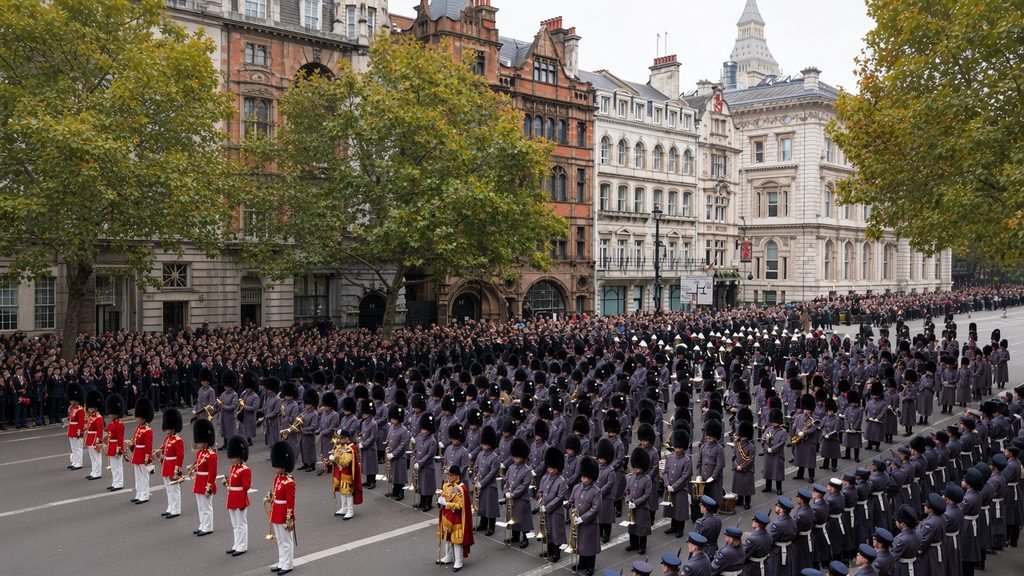
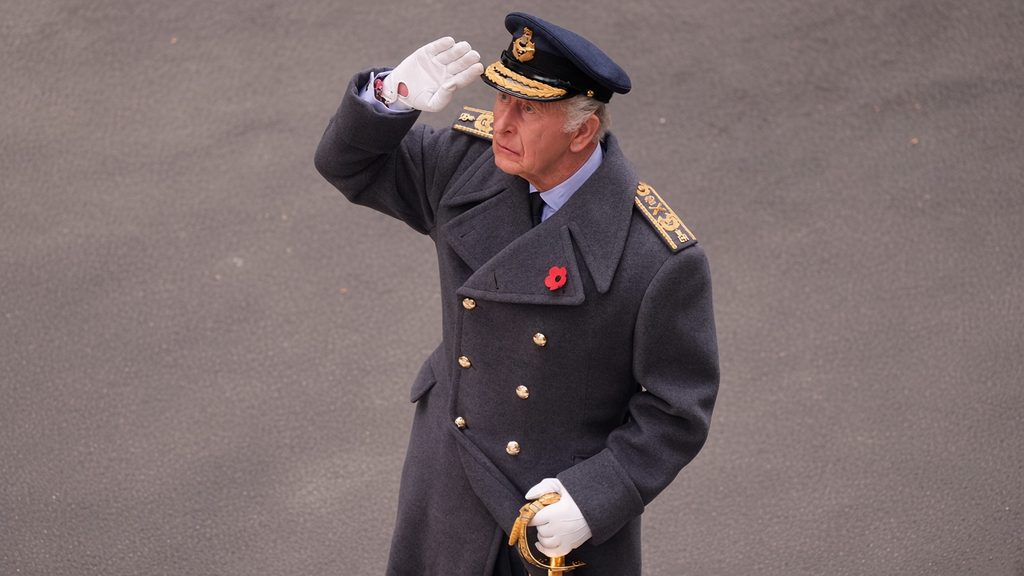
The United Kingdom on Sunday commemorated its war dead as King Charles III led the national Remembrance Sunday service at the Cenotaph in Whitehall, bringing together the Royal Family, political leaders, military veterans and thousands of members of the public.
King Charles Leads National Tribute
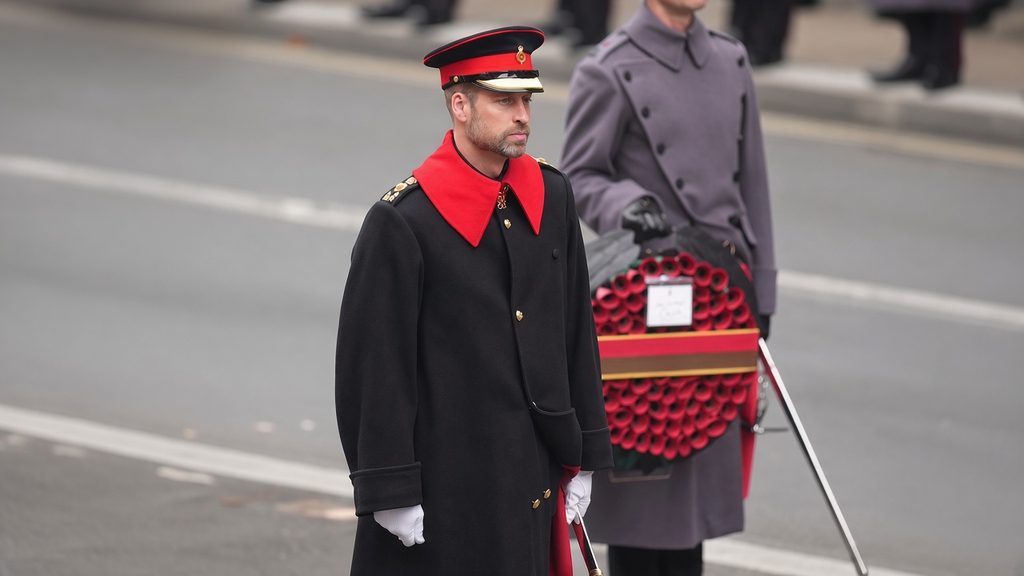
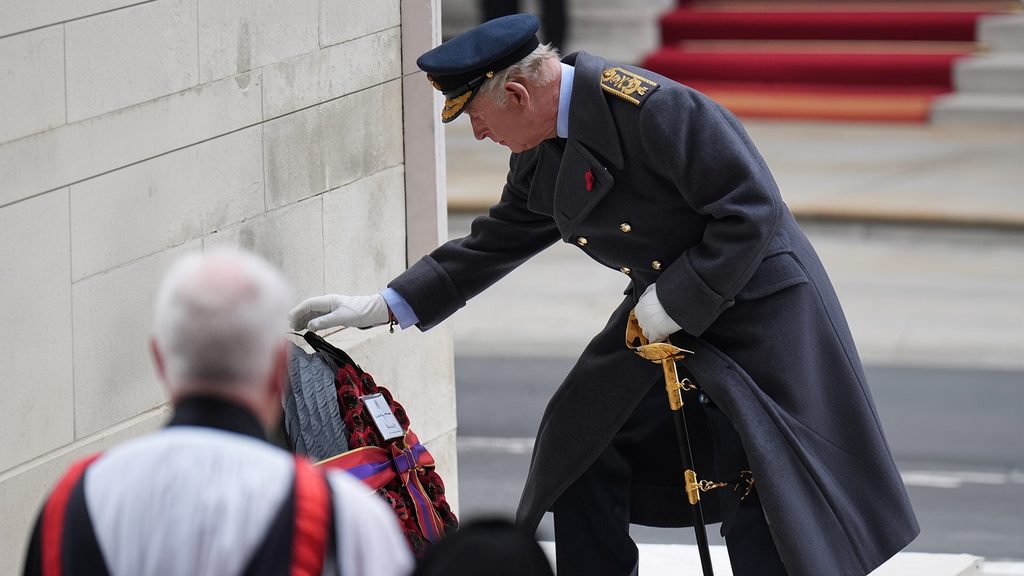
The King laid a wreath at the Cenotaph following the traditional two-minute silence at 11am. The Prince of Wales, Prince William, Prince Edward and Princess Anne also laid wreaths, while Queen Camilla and Catherine, Princess of Wales, watched the ceremony from the balcony of the Foreign, Commonwealth and Development Office.
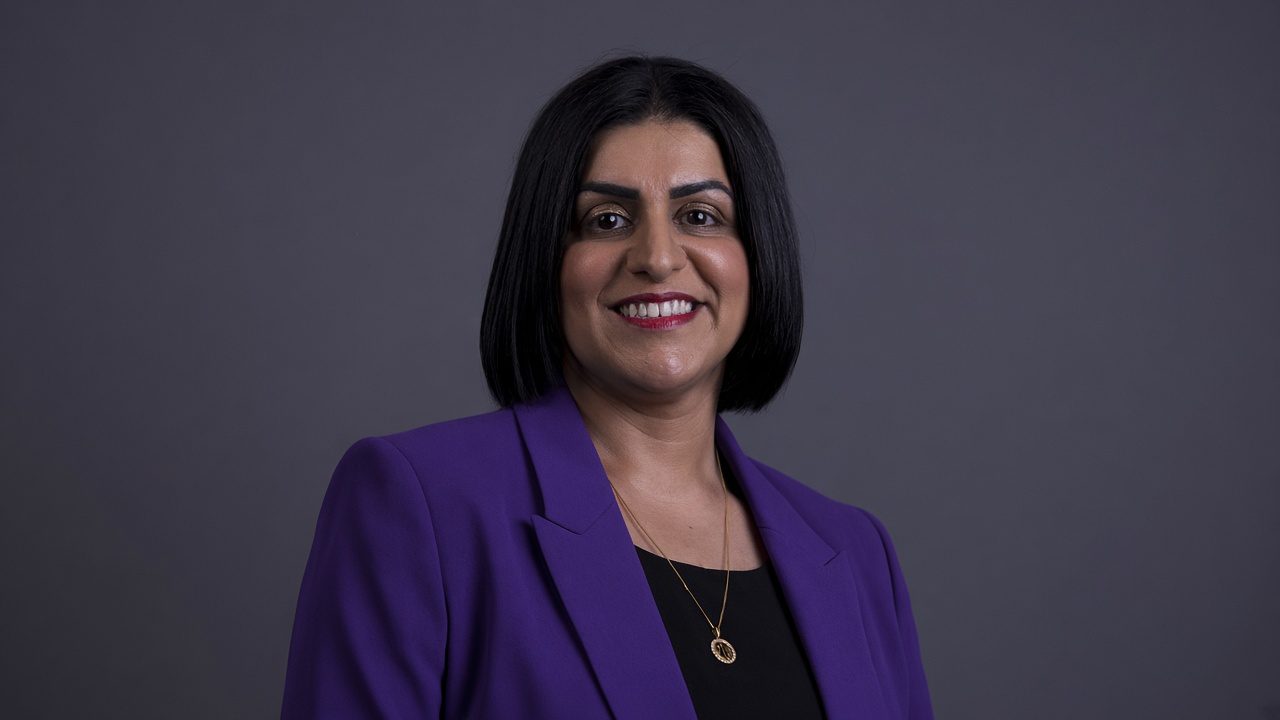
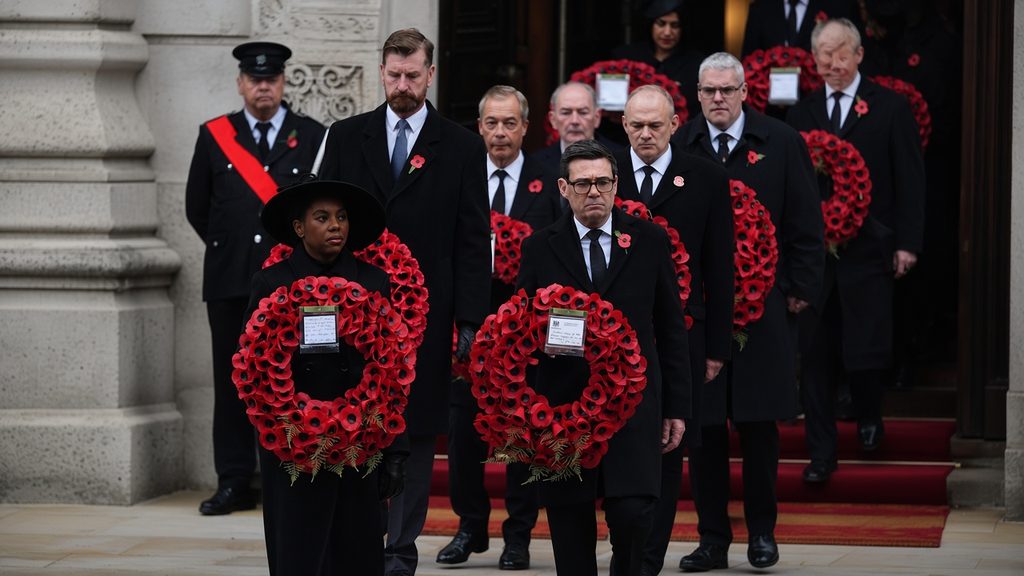
Prime Minister Andy Burnham participated alongside senior government officials and opposition leaders, including Conservative leader Kemi Badenoch, Liberal Democrat leader Sir Ed Davey and Reform UK leader Nigel Farage.
Ten Prime Ministers, One National Commemoration
One of the defining features of this year’s ceremony was the gathering of Burnham and nine former prime ministers: John Major, Tony Blair, Gordon Brown, David Cameron, Theresa May, Boris Johnson, Liz Truss, Rishi Sunak and Keir Starmer.
Their presence represented a rare moment of political unity across party divisions. The gathering also raises a broader question: can the unity demonstrated at remembrance ceremonies translate into sustained cooperation on national security, veterans’ welfare and support for military families?
The occasion provides common ground for Britain’s political leaders and highlights their shared responsibility towards those who serve the country.
Veterans And The Legacy Of War
Approximately 10,000 veterans, representing more than 300 military and civilian organisations, participated in the Royal British Legion’s march past.
Among the participants were some of the last surviving Second World War veterans, alongside younger generations of service personnel and bereaved families. Their presence underlines the importance of preserving first-hand accounts of conflict and passing their lessons to future generations.
Beyond Wreaths And Ceremony
This year’s commemoration also highlights the importance of recognising Commonwealth contributions to the two World Wars. African, Caribbean and Asian servicemen and women played significant roles in the wider wartime effort, and their sacrifices deserve lasting recognition.
Remembrance must also be reflected in meaningful support for veterans, injured service personnel and bereaved families.
Britain’s annual tribute should therefore be measured by the sincerity of its commemorations and its practical commitment to those who served.
Ultimately, Remembrance Sunday is about honouring the fallen, supporting the living, preserving historical memory and strengthening the pursuit of peace.

Oliver Grant is a British journalist based in London, known for his calm insight, clear storytelling and thoughtful approach to social affairs, politics and culture. His work combines investigative depth with human-centred reporting, exploring the issues that shape communities and public life. Through digital and broadcast platforms, Oliver brings a balanced perspective to complex subjects, championing journalism that informs, challenges and encourages meaningful conversations.