The modern father as the “strong arm of guidance” must graduate from the “school of responsibility.”
By David Ola
“Being a man could be said to be a responsibility, but fatherhood is a high mandate, more than the fulfilment of responsibilities in the home.”
This is the distinction we must make as we conclude this series.
The journey of a boy to becoming a man is not an automatic process of biological ageing. It is a curriculum. It is a “school of responsibility” that a father is uniquely positioned to run.
As we have established, the African context is one of collective responsibility. But within that collective, the father remains the architect, the primary teacher, and the central figure.
George Foreman, the heavyweight champion and father of ten, understood this. He articulated that fatherhood is not just about providing a roof or food; it is about becoming the strong arm of guidance that consistently blends love, strength, respect, friendship, teaching, and discipline to nurture, build, and graduate a man of value and impact.
The problem in our modern age is that many men think they have “graduated” from the “school of responsibility,” but sadly, they are only halfway through completing the curriculum. They have biologically produced children, but are yet to become fathers. They are still “boys” in their hearts and minds, expecting their wives to mother them and the world to forgive their immaturity.
This results in an epidemic of “boys” who are unable to commit, who are absent, and who lack the character to serve their families. The cycle of fatherlessness must be broken by intentional, transformative fathering.
The Core Curriculum: The Duties of a Father
To effectively lead in the “school of responsibility,” a father must embody six core duties, which are clearly laid out in the principles of Foreman’s book and reinforced by Canfield’s The Heart of a Father, as well as several other studies that support the value of fathering.
These are not optional extras; they are the essential ingredients of a successful father-son relationship.
Love
A father must provide a safe space and care for his child. This is the foundational principle. The father creates a home that is a refuge, a place where the child is not afraid to be vulnerable. This involves, but is not limited to, developing personal values, being appreciated, and being expressed in “a hug, a kiss, and being touched in the heart.”
Strength
A father must stand firm in hard times. He is the stabiliser. He doesn’t run from difficulty but faces it with courage and faith. By this, he models resilience, courage, and hope.
Respect
A father must listen to his child’s voice. Canfield notes that a father should “practise attentive listening.” This validates the child’s identity and teaches them that their voice matters. Everyone loves to be appreciated and authenticated.
Friendship
A father must share joy and play. This is the “friendship factor.” It is not enough to be a distant authority figure; a father must engage in joy with his children, teaching them that relationships are built on shared experiences.
Teaching
A father must show how the world works. He must be the “coach” who guides his children through the complexities of life. He teaches them “how to think and not what to think.” Right thinking is sacred to the development of the growing child.
Discipline
A father must guide them to make good choices. Discipline is not punishment but training and empowerment. There are no visible lines in the sand, so be committed to planting seeds of greatness.
These six duties, when executed in love and consistency, are the “curriculum” for producing a man of value, honour, and impact.
The Modern African Father in the Diaspora
As a Nigerian father living in Europe, I am confronted with the challenge of raising my children in a cultural environment that is often hostile to African values. The pressure to conform to Western individualism is immense. But I must strike a balance. I must adopt a complementary style of parenting, blending the “sky father,” the traditional authority, with the “earth father,” the intimate, nurturing friend.
The modern African father must be flexible enough to adapt to the circumstances of his children, but he must also hold firmly to non-negotiable values.
He must understand the importance of being on the same page as the mother. A home divided cannot stand. As Collins Nweke, a Nigerian father in Belgium, noted, the family has to develop its own set of core values and, as head of the family, a father has a key role to play in defining and establishing those core values and setting the boundaries.
The Ultimate Goal: Raising a Son Who Will Become a Father
“It is easier to build strong children than to repair broken men.” — Frederick Douglass
The ultimate goal of the “school of responsibility” is not just to make a successful man, but to make a legacy-driven, successful father.
We are raising our sons to be the fathers of the next generation. If we fail to graduate our boys, they will go out into the world and fail their own families.
As George Herbert said, “One father is more than a hundred Schoolmasters.” The father’s personal mentorship, example, love, and moral guidance shape the child’s character much more deeply than formal classroom instruction ever could.
The Solution: A Conscious Blueprint for the Modern Father
“A father is neither an anchor to hold us back nor a sail to take us there, but a guiding light whose love shows us the way.” — Jandie Nelson
We are reminded by Jandie Nelson that modern fatherhood is about safe guidance, not force. To truly answer the prerogative of fatherhood, we must adopt a conscious, daily strategy:
Start a “Legacy Journal”
Implement the “Multigenerational Legacy Plan” by maintaining a journal for your sons. Document not just your successes, but the stories of his ancestors. Write down the lessons you’ve learned, the wisdom you’ve received, and the challenges you’ve overcome. When he turns 18, give him this journal. It will be his compass.
Create a “Family Rhythm”
Establish a rhythm of family rituals, daily dinner conversations, weekly family meetings, and monthly community service projects. In these rituals, intentionally teach “soft skills” like conflict resolution, financial planning, and spiritual discipline. This is the “curriculum” of the school of responsibility.
Practise “Intentional Listening”
Canfield’s advice to “practise attentive listening” is not just passive hearing. It means putting down the phone, turning off the TV, and giving your child your undivided attention. Ask them about their day, their feelings, and their dreams.
Develop a “Community Schedule”
Plan for your children to spend time with extended family and trusted adults in the community. This is the “Communal Apprenticeship Model” in practice. Schedule visits to grandparents, uncles, and aunties. This reinforces the lesson that they are not alone in the world.
In connecting a father’s inner devotion, commitment, and strategic engagement to the growth of his children, Kent Nerburn summarises in his highly acclaimed book, Letters to My Son: A Father’s Wisdom on Manhood, Life, and Love, that “A man’s worth is measured by how he tends his own garden. For a father, his children are the first blooms.”
Fatherhood is the high mandate and very rare prerogative to raise a generation of men who will lead their families, build their communities, and honour their God. It is a marathon, not a sprint, a journey, not a destination. It requires sacrifice, commitment, and love.
But the reward is a legacy of impact that will stretch into eternity.
The time to rise to duty is now.
Fathers, where are you?
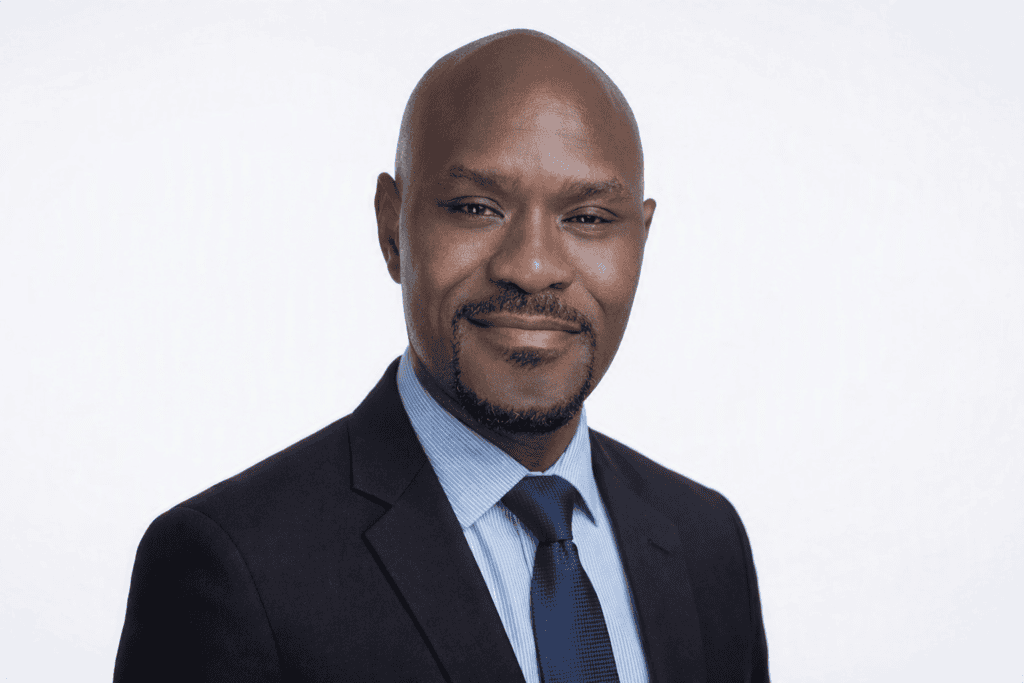
David Ola is a digital media broadcaster, African storyteller and research scholar with over a decade of experience in journalism, strategic communication, academic mentorship and chaplaincy. A writer and analyst, he combines media practice with research rigour to craft narratives that inform and inspire. His work spans digital storytelling, broadcast media, development communication and evidence-based journalism