
When the Pastor Becomes the Husband: The Silent Crisis in Africa’s Religious Homes
By David Ola
The Conversation No One Wanted to Have
Tunde had reached a point where he no longer knew how to make his voice heard in his own home.
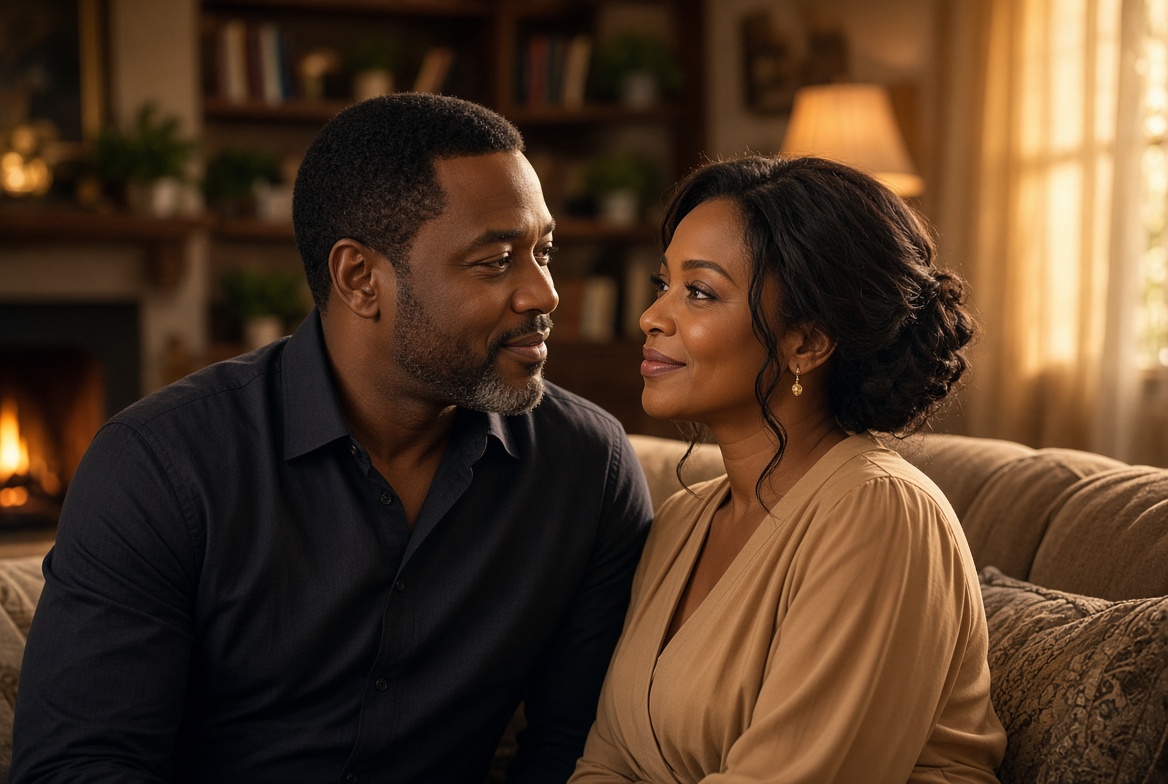
At forty-two, the civil engineer had worked hard to provide for his family. His wife, Bisi, was a schoolteacher, and together they were raising three children. From the outside, theirs appeared to be an ordinary Christian household. They attended church, participated in its activities and respected their spiritual leaders.
Yet something was changing behind closed doors.
When one of the children fell ill, Bisi contacted the church prayer line before discussing the situation with her husband. When an important family decision arose, she sought the pastor’s opinion first. And when Tunde expressed a different view, Bisi listened, but often seemed more persuaded by what “Papa” had said.
Tunde was not opposed to prayer. He was not against the pastor. What troubled him was the growing feeling that his opinion no longer carried the weight it once had.
One evening, the strain became too much to keep to himself. He sought the counsel of Elder Adewale Ogunbanjo, a respected church elder who had spent decades observing the struggles, triumphs and quiet disappointments of family life.
The characters in this account are illustrative, but the question at the heart of their story deserves serious attention. Can the honour given to a pastor become so excessive that it begins to undermine a marriage?
When Honour Loses Its Boundaries
Elder Adewale listened carefully as Tunde explained his frustration. He did not rush to condemn Bisi, nor did he dismiss the role of the pastor.
Instead, he asked a question that forced Tunde to think beyond his immediate hurt. “Are you troubled because your wife respects her pastor, or because you feel she no longer considers you a partner in decisions affecting your family?”
Across some African Christian communities, pastors are affectionately addressed as “Papa”, “Daddy G.O.” and “Man of God”. Such titles can express genuine gratitude, reverence and trust. Scripture recognises those who labour in preaching and teaching (1 Timothy 5:17). Seeking spiritual counsel can be a source of strength, particularly when a family is passing through a difficult season.
But respect has its limits, and spiritual authority has its proper place. A pastor can offer guidance, pray with a family and help a couple confront difficult questions. He cannot, however, replace the conversations a husband and wife need to have with each other.
The trouble begins when one spouse’s concerns are repeatedly dismissed because a pastor has expressed a different opinion. It deepens when family decisions become dependent on outside approval, leaving little room for the judgement, trust and shared responsibility that marriage requires.
Elder Adewale had seen how quietly such problems could develop. There might be no public quarrel, no dramatic confrontation and no obvious crisis. Yet, over time, one partner could begin to feel like a stranger in the very home they had helped build.
Sometimes, the damage begins not with a lack of religion, but with a failure to understand the place religion should occupy in family life.
What Does the Bible Actually Say?
“But what does the Bible say about the husband’s place in the home?” Elder Adewale asked. It was a question that required more than a convenient quotation.
Ephesians 5:23 describes the husband as the head of the wife. Yet verse 25 also commands husbands to love their wives as Christ loved the Church and gave Himself for it. Those words must be considered together. Christian traditions differ in their interpretation of marital headship, but the passage places a serious responsibility on husbands to demonstrate sacrificial love, care and commitment.
Headship cannot responsibly be reduced to a demand for unquestioning obedience. Nor should a pastor’s spiritual office become a reason for a couple to surrender their ability to think, communicate and make responsible decisions.
“A husband must not use the Bible to justify tyranny,” Elder Adewale explained. “And a pastor must not use his position to take over responsibilities that belong to the family. Spiritual guidance should help a home stand, not make it dependent on another person for every decision.” His words were not an attack on pastors. Neither were they a declaration that husbands were always right.
There are marriages in which a spouse needs outside support because of abuse, intimidation or coercive control. In such circumstances, seeking help can be essential. No teaching about honour, submission or headship should be used to silence a victim or prevent someone from obtaining protection.
The issue is not whether a wife should respect her pastor. She should. The issue is whether that respect has begun to displace the communication and shared responsibility on which a healthy marriage depends.
The Responsibility of the Church
The conversation must not end with the husband and wife. The Church also has a responsibility to examine the influence it exercises within the homes of its members.
Pastors can be a source of wisdom, comfort and reconciliation. Their counsel can help couples recognise destructive patterns and find a way forward. But responsible spiritual leadership also requires an understanding of boundaries.
A pastor should not encourage a couple to become so dependent on his personal authority that they lose confidence in their own ability to communicate and make sound decisions. Nor should religious loyalty become a reason to disregard a spouse’s legitimate concerns. The pulpit should strengthen the home, not compete with it.
Husbands and wives, for their part, must be willing to listen to one another. Neither should dismiss sound counsel out of pride, and neither should surrender personal judgement simply because an opinion comes from a revered religious leader.
A healthy marriage does not require a choice between faith and family. It requires faith to be practised in ways that strengthen trust, responsibility, honesty and mutual respect.
The Honour That Builds and the Honour That Breaks
As their conversation drew to a close, Elder Adewale returned to the concern that had brought Tunde to him.
“Your pastor can pray with you, counsel you and point you towards wisdom,” he said. “But he cannot have the conversations you and your wife must have with each other. The Church should help build your home, not become the place where your home begins to fall apart.”
For Elder Adewale, the answer was not to turn Tunde against his pastor or Bisi against her church. It was to restore the boundaries between spiritual guidance and family responsibility.
Honour builds when it encourages humility, service and respect. It becomes destructive when it demands unquestioning loyalty, suppresses honest questions or places any human being beyond accountability.
This is the distinction the Church must be willing to confront. Respect for spiritual leadership should never mean abandoning the responsibility to nurture one’s marriage. Faith should deepen the bonds within a family, not quietly weaken them.
The question facing Christian homes is therefore not whether pastors deserve honour. It is whether the honour they receive is helping families flourish or, in some cases, displacing the very relationships those families are called to protect. When honour loses its boundaries, even something good can become destructive.
In Part 2, Elder Adewale examines the biblical foundations of fatherhood and family responsibility, and asks whether the contemporary African Church is doing enough to strengthen the homes it seeks to serve.
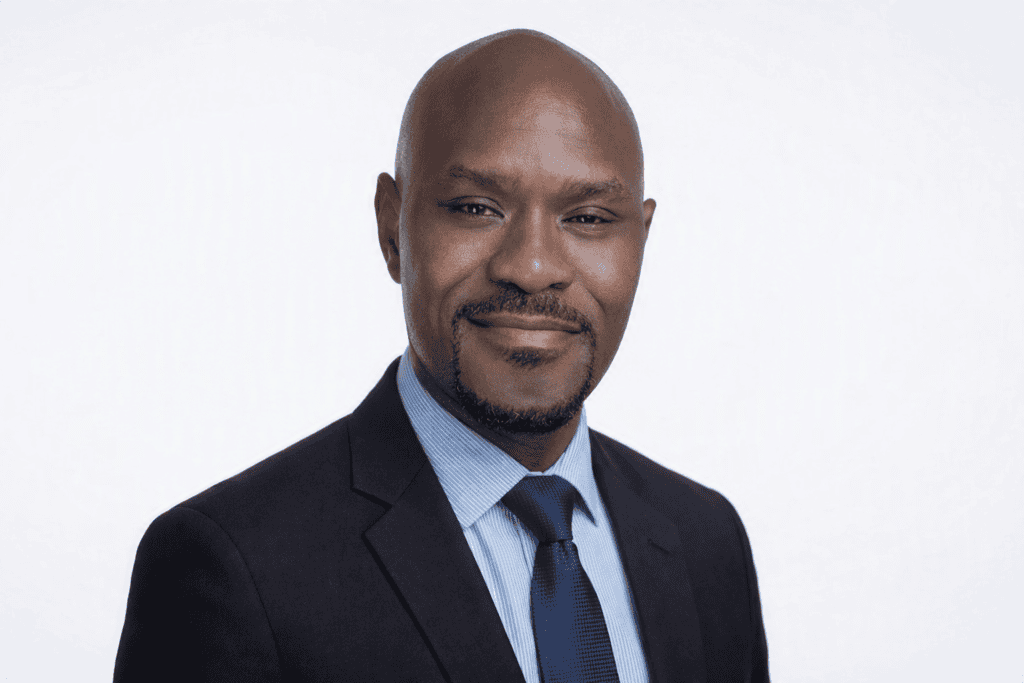
David Ola is a digital media broadcaster, African storyteller and research scholar with over a decade of experience in journalism, strategic communication, academic mentorship and chaplaincy. A writer and analyst, he combines media practice with research rigour to craft narratives that inform and inspire. His work spans digital storytelling, broadcast media, development communication and evidence-based journalism.