By Ola Aina
A Question of Memory, Identity and Belonging
The question of whether Black Caribbean culture is dying in the United Kingdom is not a simple one. It is a question shaped by memory, pride, grief and the fear that something valuable may be slipping away.
For many people, this conversation is not only about food, music or festivals. It is about belonging, family and the community structures created by generations who arrived from Jamaica, Barbados, Trinidad, St Vincent and other Caribbean nations during and after the Windrush era.
The Windrush generation not only brought traditions with them. They built communities. They created churches, social clubs, businesses and community centres that became places of support, connection and cultural preservation.
The Generation That Built Caribbean Britain
For many Caribbean migrants, these spaces represented more than social gatherings. They provided a sense of home in a country where many experienced racism, exclusion and the challenges of rebuilding their lives.
Across Britain, people remember these spaces with deep affection. They remember evenings filled with dominoes, music, conversation and familiar faces. They remember grandparents whose voices carried stories of the Caribbean, whose cooking preserved family traditions and whose experiences connected younger generations to a history shaped by migration and resilience.
However, as many Windrush generation elders pass away, some communities feel that something important is changing. The people who carried the strongest memories of migration and survival are leaving behind younger generations who experience Caribbean identity in different ways.
When Traditions Change, Does Culture Disappear?
Community spaces that once served as cultural anchors have declined in some areas. Traditional social clubs, local associations and regular gatherings are not always as central as they once were.
For some people, this represents a loss of connection. They worry that important stories, traditions and memories may become harder to pass on.
But cultural change does not always mean cultural disappearance.
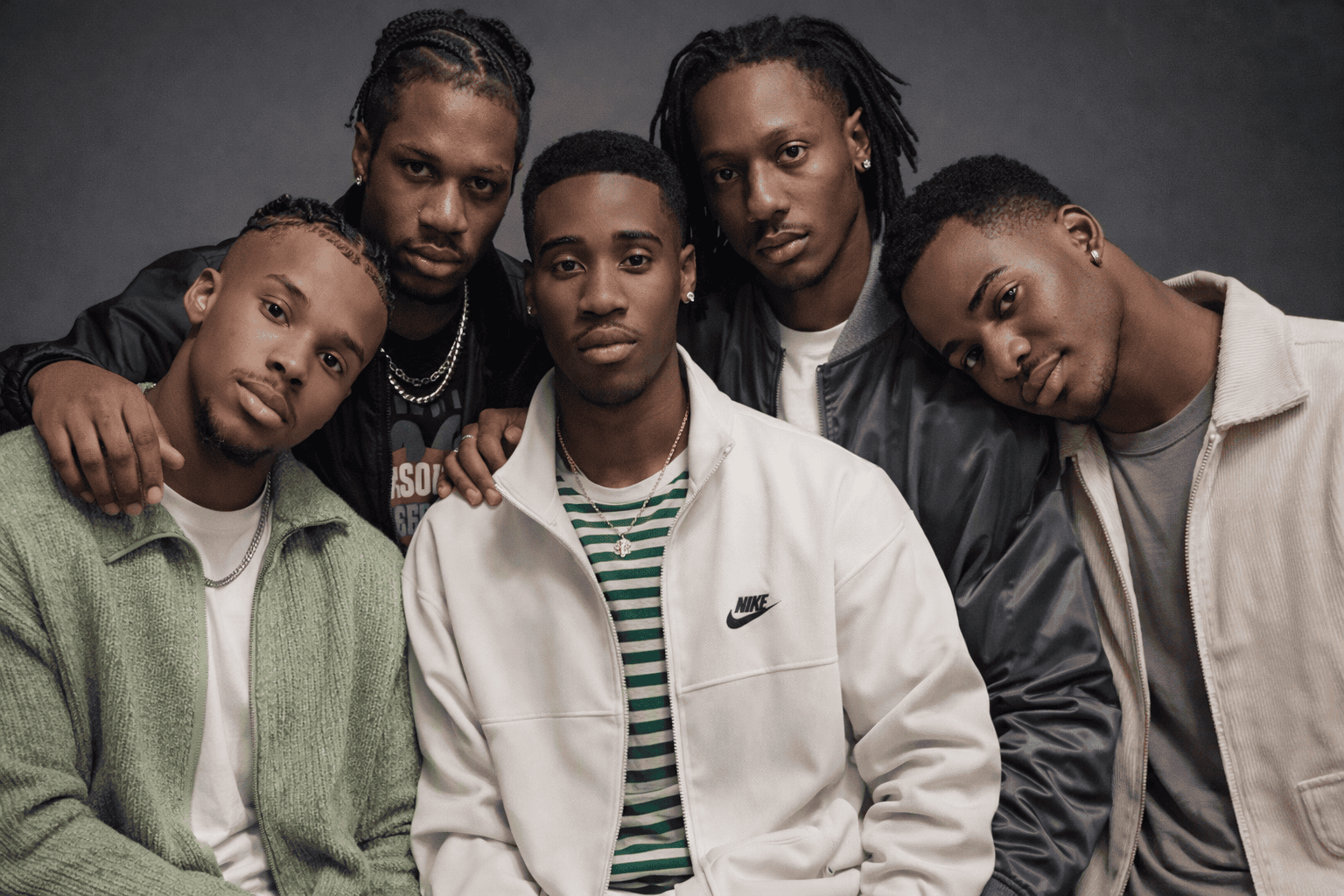
Black Caribbean identity in Britain is evolving. Younger generations are growing up with multiple influences and may identify as British Caribbean, Black British, mixed heritage or part of a wider global culture.
Some people see changing family structures and inter-ethnic relationships as a threat to cultural continuity. Others see them as evidence that Caribbean culture is expanding into new forms.
A New Generation Carrying the Story Forward
A family with Jamaican heritage may preserve culture differently today than previous generations did. It may happen through cooking traditional meals, listening to Caribbean music, visiting relatives in the Caribbean, celebrating heritage or sharing family stories.
The methods may change, but the connection remains.
This reflects the history of Caribbean culture itself. It has always been shaped by movement, adaptation and the meeting of different worlds. The same communities that created Caribbean Britain decades ago are now reshaping what Caribbean identity means for future generations.
Not Dying, But Transforming
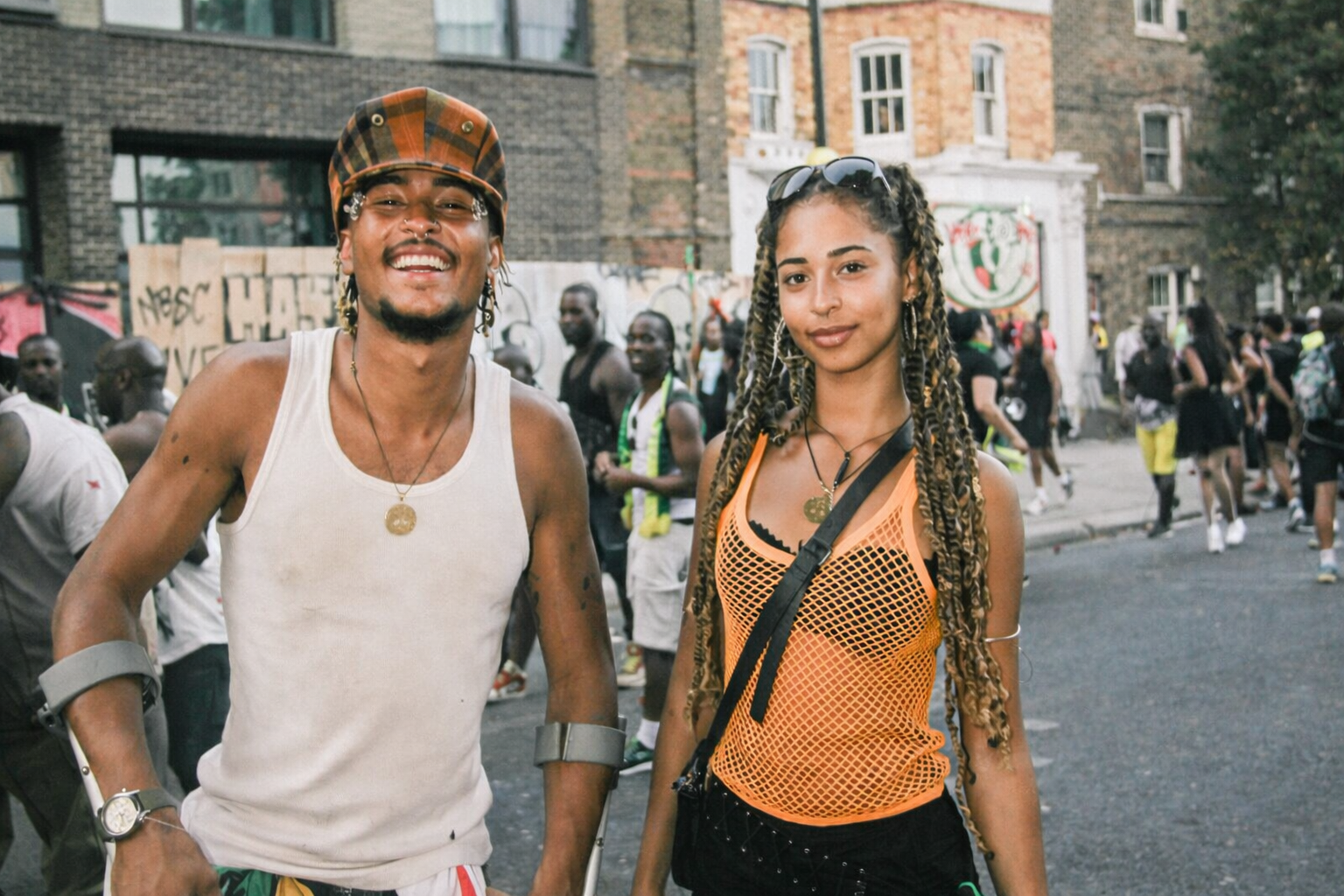
The concern is not that Caribbean culture will disappear completely. Its influence remains visible across British society, from music and language to food, fashion, sport and cultural celebrations such as Carnival.
The deeper question is whether the institutions and relationships that once protected that culture would continue to survive.
The real question is not whether Caribbean culture in Britain is dying. The question is who will carry it forward and how it will evolve.
The Windrush generation built the foundations. New generations are creating the next chapter. Caribbean culture in Britain is not disappearing. It is being rewritten by each generation, carried through memory, adaptation and the determination of people who refuse to forget where they came from.

Ola Aina is a Black British journalist based in London, specialising in African affairs. She reports on politics, social change, and culture across the continent, bringing depth and context to underreported stories. Through insightful, human-centred journalism, her work connects UK audiences with Africa’s complexities, challenges, and opportunities.