Neutrality, Sovereignty And The Politics Of Consent
Ireland
By David Ola
Ireland’s proposed changes to the Triple Lock mechanism have exposed deep political divisions over a framework that has shaped the country’s international military engagement for decades. On 21 October 2026, the Dáil voted by 79 to 71 to advance the Defence (Amendment) Bill 2026 through Second Stage.
The Government argues that reform is necessary to ensure Ireland can participate in international peacekeeping and crisis management operations without being constrained by divisions within the United Nations Security Council. Opponents warn that removing the UN authorisation requirement could weaken an important safeguard against military entanglement.
The legislation remains under parliamentary scrutiny and has not become law. Its implications extend beyond troop deployment procedures, raising fundamental questions about sovereignty, democratic accountability and Ireland’s future strategic direction.
Neutrality and the question of sovereignty
Ireland’s military neutrality developed from its historical experience of independence, its desire to maintain foreign policy autonomy and its decision to remain outside military alliances. Over time, neutrality became an important feature of national identity and international diplomacy.
Under the existing Triple Lock arrangements, overseas deployment involving more than twelve members of the Defence Forces as part of an international force requires Government approval, a Dáil resolution and United Nations authorisation. The proposed legislation seeks to remove the UN authorisation requirement while retaining domestic approval.
Supporters argue that the UN Security Council’s veto system increasingly restricts Ireland’s ability to participate in international missions. A permanent member can block authorisation even where wider international support exists. From this perspective, Ireland’s contribution to peacekeeping should not be determined by the geopolitical interests of powerful states.
That argument raises a genuine challenge. The United Nations is frequently constrained by competing interests among its permanent members, particularly in conflicts involving major powers.
However, removing the UN requirement would give Irish political institutions greater discretion over overseas deployments. The question is whether greater freedom of action necessarily translates into greater sovereignty.
For a militarily neutral country, sovereignty is not simply the ability to participate in international operations. It is equally the ability to refuse participation when political pressure, strategic interests or international alliances demand it.
The proposed reform therefore presents a sovereignty paradox. The Government argues that removing an external veto strengthens Ireland’s independence, while opponents maintain that the existing mechanism protects the country’s freedom from military entanglement.
The European security dimension
Ireland’s neutrality debate cannot be separated from the wider transformation of European defence policy. The war in Ukraine, concerns about Russian aggression, cyber threats, hybrid warfare and uncertainty surrounding transatlantic security have intensified pressure on European governments to strengthen defence cooperation and military preparedness.
Ireland participates in European security initiatives while maintaining that military neutrality remains intact. The Government argues that cooperation on cybersecurity, infrastructure protection and peacekeeping is compatible with neutrality.
The concern is whether individual policy changes could gradually alter the practical meaning of neutrality without a clear national decision on the country’s long-term strategic direction.
Removing the Triple Lock may be argued that it does not establish that Ireland is moving towards NATO membership, nor does it prove that the Government intends to abandon military neutrality. Nevertheless, changes to defence policy, deployment procedures and European security commitments deserve transparent scrutiny.
The issue is not whether Ireland should cooperate with European partners, but whether the boundaries of that cooperation are being established openly and with sufficient democratic oversight.
Democratic consent and public accountability
The Government maintains that the Triple Lock is a statutory mechanism rather than a constitutional provision, meaning a referendum is not legally required to amend it. That position may establish the legal route available to the Government, but it does not settle the wider question of democratic legitimacy.
Neutrality has shaped Ireland’s international relationships, its peacekeeping identity and public expectations about military engagement. Parliamentary approval provides the legislative authority to advance the proposed changes. Whether it provides sufficient public legitimacy for a reform touching such a central element of national identity remains a matter of political debate.
The public deserves a clear explanation of what the Government intends to change, what safeguards will remain and under what circumstances Irish troops could be deployed without a UN mandate. The democratic argument is therefore not simply whether a referendum is legally necessary. It is whether a change of this significance warrants wider public consultation and a transparent national debate.
Strategic risks and political consequences
Removing the UN authorisation requirement could allow Ireland to participate in missions previously blocked by Security Council disagreements. However, greater flexibility also creates additional responsibilities.
The Government maintains that deployments would still require Government and Dáil approval and would have to comply with the UN Charter and international law. The effectiveness of these safeguards will depend on the final legislation and how future governments exercise their authority.
The committee stage has become a significant part of the debate. More than 90 amendments have been submitted for consideration. Among them is a proposal from former Defence Minister Willie O’Dea, supported by nine other Fianna Fáil TDs. It would link future deployments to an existing UN General Assembly resolution and require the responsible minister to explain how a proposed mission relates to that resolution.
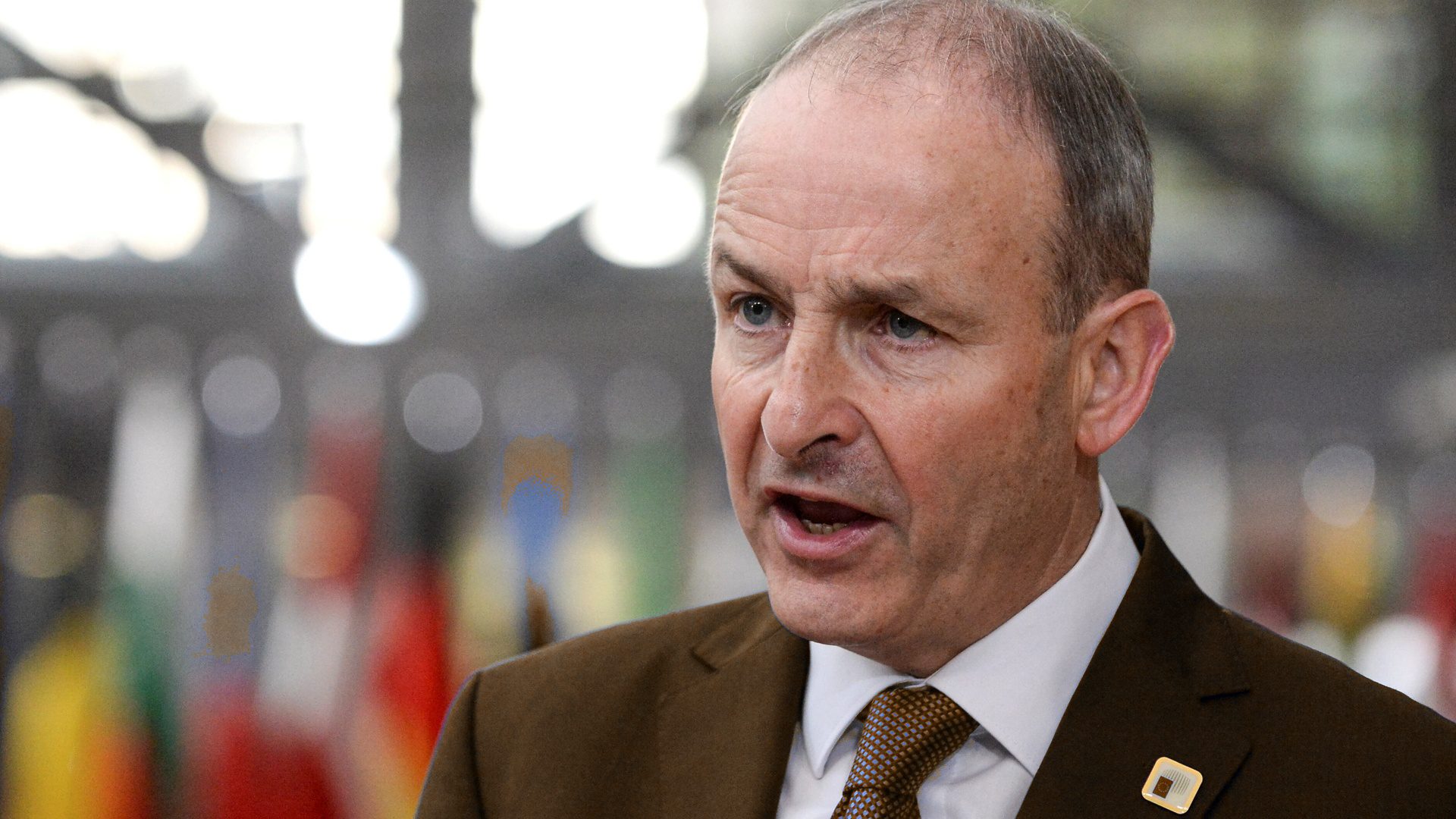
Taoiseach Micheál Martin has expressed openness to examining the substance of the proposal, while Defence Minister Helen McEntee has said the Government will not introduce changes that impose further restrictions on deployment decisions. McEntee has also expressed confidence that the legislation can be enacted before the end of 2026. The committee’s examination of the amendments will help shape the final legislation.
The possibility of mission creep also deserves particular attention. International operations can evolve beyond their original objectives, blurring the distinction between peacekeeping, peace enforcement and military intervention.
Future deployments should have a clear legal basis, defined operational objectives, appropriate rules of engagement, credible command arrangements and transparent assessments of risks to Irish personnel. Greater international commitments must also be matched by investment in recruitment, retention, equipment, training and personnel welfare.
Analytics assessment
Ireland is entering a period in which its traditional approach to military neutrality faces increasing pressure from changing international circumstances. The proposed reform may be presented as a modernisation of the country’s peacekeeping framework, but it could mark a significant turning point in Irish defence policy.
Its consequences will depend on the final legislation, the safeguards retained and whether future deployments remain consistent with Ireland’s declared neutrality.
The dispute over the Triple Lock is therefore not merely a procedural argument about troop deployments. It is a broader debate about who defines neutrality, how democratic consent is secured and what strategic independence means for a small state operating within an increasingly polarised international security environment.
Ireland’s sovereignty will ultimately be measured not simply by its freedom to deploy troops, but by its ability to decide independently when, where and why it chooses not to deploy them.
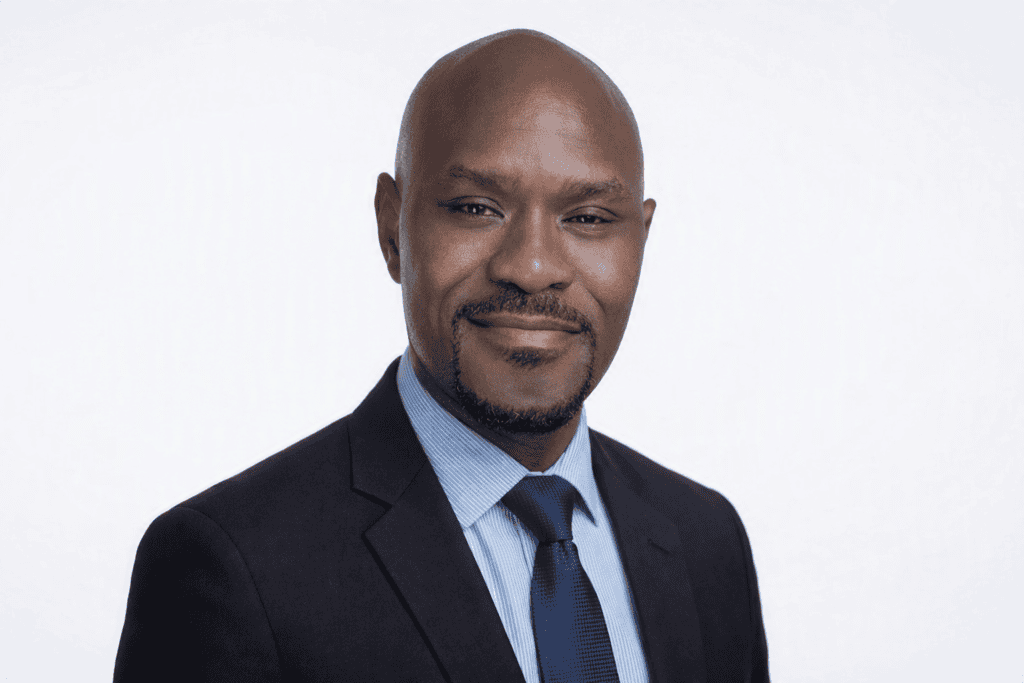
David Ola is a digital media broadcaster, African storyteller and research scholar with over a decade of experience in journalism, strategic communication, academic mentorship and chaplaincy. A writer and analyst, he combines media practice with research rigour to craft narratives that inform and inspire. His work spans digital storytelling, broadcast media, development communication and evidence-based journalism.