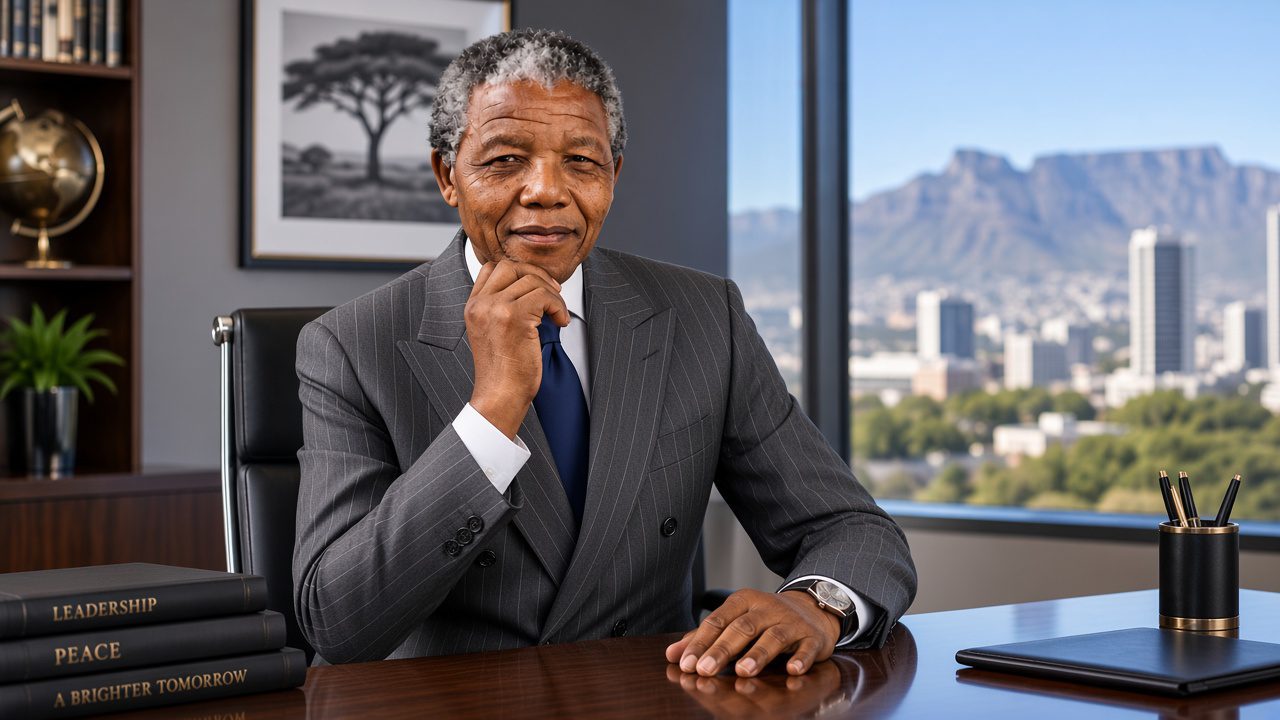

The Forgotten Priesthood of the Father
By David Ola
The Conversation Continues
Elder Adewale had listened patiently to Tunde’s concerns about the growing influence of his pastor in his marriage. But he wanted him to understand something deeper: a man’s responsibility in his home goes beyond providing money, paying school fees and keeping a roof over his family’s head.
He reached for an old family Bible and opened it to Job 1:5. “Have you ever considered what Job was doing for his children?” he asked. The Bible records that Job regularly offered burnt offerings on behalf of his children, concerned that they might have sinned against God.
“Before there was a church building or a pastor standing behind a pulpit, there was a father who understood his responsibility before God,” Elder Adewale explained. “Job did not leave the spiritual welfare of his children entirely to someone else.”
He paused.
“Tunde, when was the last time you deliberately stood before God on behalf of your family?” The question unsettled him.
The Father’s Priesthood Was Not an Afterthought. The spiritual responsibility of a father is not a modern invention. We see it throughout the lives of the biblical patriarchs.
Consider Isaac. In Genesis 27, he called Esau and instructed him to prepare the venison he loved so that he could eat and bless his son before his death. Although Jacob eventually received the blessing through deception, the account reveals the importance Isaac attached to a father’s blessing and its implications for the future of his children.
We see the same responsibility in Jacob. In Genesis 48, he laid his hands on Joseph’s sons, Ephraim and Manasseh, and blessed them. In Genesis 49, he gathered his own sons and pronounced blessings and declarations concerning their future.
These were significant spiritual acts within the family. Jacob understood that his responsibility to his children extended beyond their physical needs.
Abraham built altars and called upon the name of the Lord (Genesis 12:7–8; 13:18). Job offered sacrifices for his children. These examples reveal a recurring pattern in the patriarchal household: fathers took responsibility for worship, intercession and the spiritual direction of their families.
This is the foundation of the father’s priestly responsibility. It does not mean that every father holds the formal office of an ordained priest or replaces the pastor. It recognises that Scripture presents fathers as having a serious responsibility before God for the spiritual life of their households.
The father was never meant to be a spectator in the spiritual development of his family.
What Happened to the Father’s Place?
Elder Adewale turned another page.
“Somewhere along the line,” he said, “we began to behave as though the spiritual life of a Christian family belonged almost entirely to the pastor.”
He was not dismissing the importance of pastors. The Church has a responsibility to teach, guide, counsel and strengthen families. A good pastor can help a troubled marriage and encourage parents to raise godly children.
But a problem arises when a father becomes so dependent on his pastor that he neglects his own responsibilities.
Some fathers know their pastors’ prayer schedules but have no regular prayer time with their children. They can quote the latest sermon but struggle to teach their children basic biblical truths. They expect the pastor to pray over every family crisis and provide every spiritual answer.
How did we arrive at a point where some fathers have become strangers to the spiritual lives of their own children? Paul’s instruction in Ephesians 5:25 calls husbands to love their wives as Christ loved the Church and gave Himself for her. Such love demands sacrifice, maturity and responsibility.
A man cannot claim the privileges of headship while abandoning the responsibilities that come with it.
The Father Must Stand in the Gap
Elder Adewale looked directly at Tunde.
“Your pastor can teach you how to build a godly home, but he cannot build that home in your place.”
Deuteronomy 6:6–7 instructs parents to teach God’s commandments diligently to their children, making His Word part of everyday family life. This responsibility belongs to both parents. Mothers are equally important in nurturing their children’s faith, but fathers must not use their wives’ commitment or the pastor’s spiritual leadership as an excuse to withdraw.
The New Testament describes believers collectively as a royal priesthood (1 Peter 2:9). Spiritual responsibility is not confined to ministers and church leaders.
A father who understands his calling prays for his children, teaches them God’s Word, corrects them with wisdom and demonstrates integrity, forgiveness and compassion. His children should encounter faith not only in church during days of worship but also through his conduct at home.
This responsibility does not give a father permission to become a dictator. Spiritual leadership is not intimidation or an excuse to silence a wife. It must be demonstrated through love, sacrifice, consistency and accountability.
What Tunde Needed to Hear
Elder Adewale closed the Bible.
“Tunde, you have spoken about your wife’s respect for her pastor. But have you examined your own responsibility? Do you pray with your children? Do you pronounce blesses on your children? Do you teach them the Word of God? Have you been present in their spiritual development, or have you left everything to your wife and the pastor?” The questions were uncomfortable but necessary.
Bisi also needed to understand that respecting a pastor should not mean treating her husband as irrelevant in the affairs of their home. But Tunde had to recognise that he could not complain about losing his place while neglecting the responsibilities that belonged to him.
The way forward required both of them to pray together, study Scripture with their children and make family decisions through mutual respect. Their pastor could support them, but the responsibility to build their home remained theirs.
Recovering the Father’s Forgotten Responsibility
The African Church must recover a strong understanding of fatherhood. Being a husband and father involves more than financial provision. A man may pay every bill and still be absent from the spiritual lives of his children.
Isaac blessed his children. Jacob blessed his sons and grandsons. Abraham built altars, while Job interceded for his household. Their examples remind us that the spiritual responsibilities of fatherhood are deeply rooted in the biblical principles.
The pastor has his place. The father has his place. The Church has its place. These responsibilities should strengthen one another, not compete. Before a father asks why the pastor has become so influential in his home, he must first ask whether he has been present in the spiritual life of his family.
A father who abandons his spiritual responsibility should not be surprised when another voice becomes louder in his home.
In Part 3, Elder Adewale examines the different expressions of honour within marriage, and why respect must never be confused with unquestioning submission.
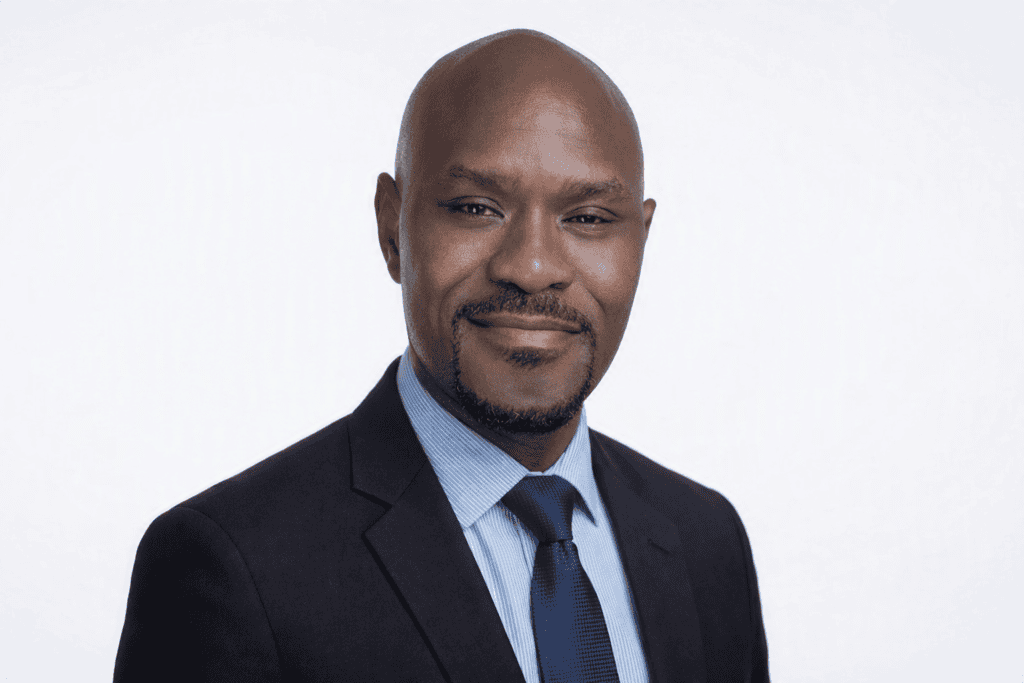
David Ola is a digital media broadcaster, African storyteller and research scholar with over a decade of experience in journalism, strategic communication, academic mentorship and chaplaincy. A writer and analyst, he combines media practice with research rigour to craft narratives that inform and inspire. His work spans digital storytelling, broadcast media, development communication and evidence-based journalism.