From Nkrumah’s African Film Centre To A 21st-century Digital Media Ecosystem
The Eyes of Ghana exposes an enduring institutional challenge in Africa’s media history and raises important questions about the continent’s capacity to preserve, own and distribute its historical narratives.
Watching The Eyes of Ghana prompted an important reflection on Africa’s relationship with media, historical archives and ownership of narratives. A friend watched the documentary, called me and asked for my opinion. I laughed, not because the subject was amusing, but because it reinforced an argument we have consistently made: Africa’s challenge is not a shortage of stories, but insufficient institutional capacity to preserve, interpret and distribute them.
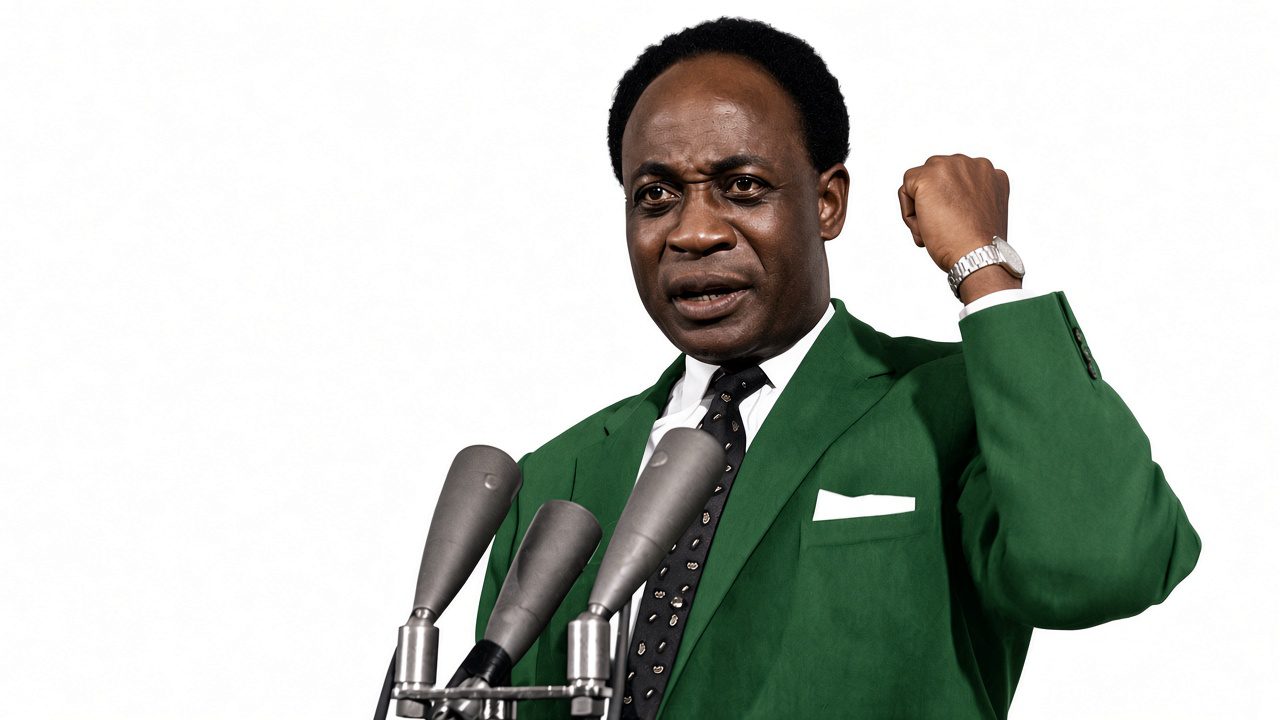
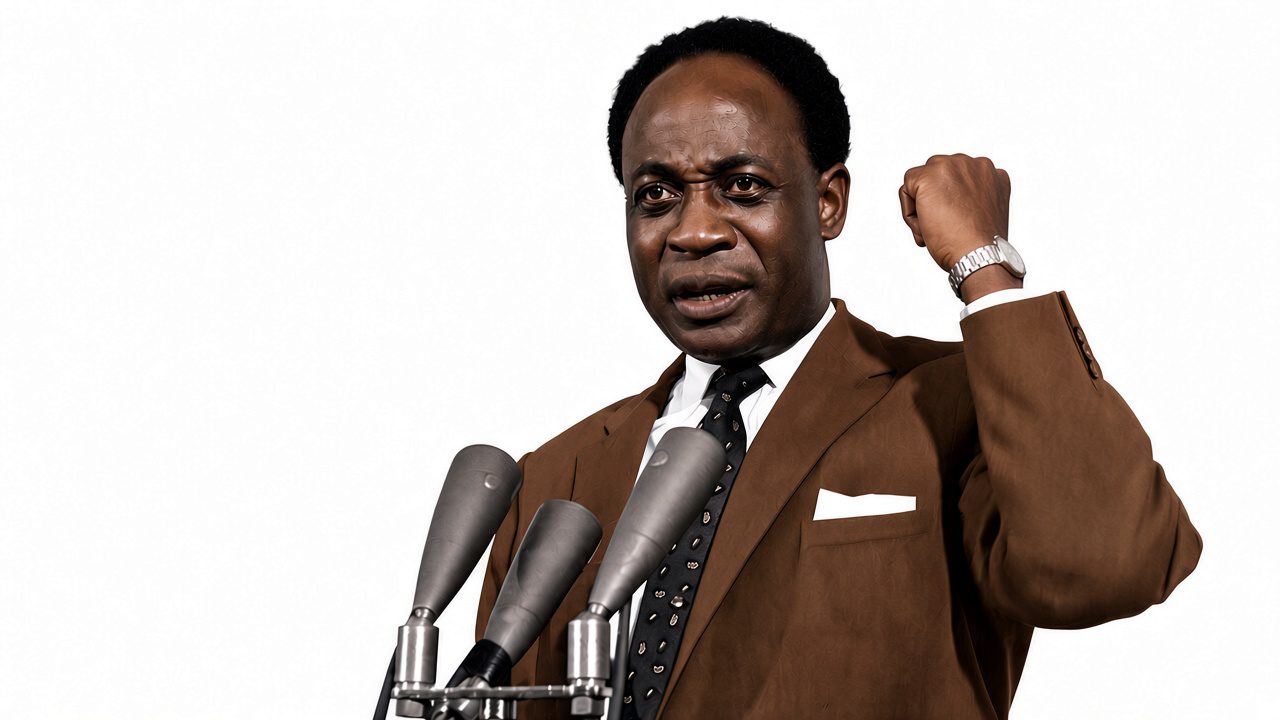
Directed by Ben Proudfoot and executive-produced by Barack and Michelle Obama, the documentary follows Chris Tsui Hesse, Ghana’s veteran cinematographer and personal cameraman to Kwame Nkrumah. Through his camera, Hesse documented Ghana’s independence, Nkrumah’s presidency and key moments in Africa’s liberation struggles.
At the heart of the documentary is Nkrumah’s ambition to establish Ghana as a centre for African cinema. He understood film as an instrument of education, cultural identity and Pan-African consciousness. The establishment of the Ghana Film Industry Corporation reflected this ambition.
However, the 1966 coup that removed Nkrumah from power disrupted the institutional continuity required to sustain his vision. Films associated with his administration came under threat, while Hesse preserved more than 1,000 reels of historical footage in London.
The documentary invites a wider question: how much of Nkrumah’s ambition was ultimately realised, and why do many African countries still struggle to preserve and distribute their audiovisual heritage?
The Burden Of Preserving A Nation’s Memory
Perhaps the most troubling dimension of the documentary is the personal commitment required to protect Ghana’s historical records.
Hesse’s collection was stored in London partly because Ghana lacked the necessary facilities to process colour film. For years, he continued protecting the collection and drawing attention to its historical importance, including the need for government support to maintain its storage.
His determination raises an uncomfortable institutional question: why should the preservation of such an important national historical collection depend so heavily on one individual?
This is not to suggest that Ghanaian institutions and filmmakers have done nothing. Local creative professionals, including Anita Afonu, have contributed to bringing the collection and its significance to wider attention. Ghanaian cultural and academic institutions have also engaged with the documentary and its implications.
Nevertheless, the scale of sustained institutional commitment required to preserve and develop such historical assets remains a serious policy concern.
The documentary’s international exposure, including the involvement of the Obamas, demonstrates the value of international collaboration and contemporary distribution. Such partnerships should be welcomed, but they raise an important question: why do some African historical treasures receive greater international visibility before attracting comparable attention at home?
The answer is not to reject international partnerships, but to strengthen African institutions so they can initiate, lead and sustain such projects.
Media Is An Instrument Of National Power
Historically, Western societies understood that media was more than entertainment. Film, broadcasting, journalism, publishing and archival institutions became instruments for documenting national experiences and projecting cultural perspectives internationally.
Africa’s position is more varied than a single continental assessment might suggest. Countries such as South Africa, Egypt, Nigeria, Kenya and Morocco have developed important film, broadcasting and archival institutions. However, significant gaps remain in sustainable financing, digitisation, professional capacity and access to historical collections across much of the continent.
The continent cannot continue to complain about misrepresentation while neglecting the infrastructure required to document and communicate its own experiences.
Media ownership, historical preservation and digital distribution are increasingly connected to cultural diplomacy, economic opportunity and international influence. Whoever controls the platforms, archives and distribution networks has considerable influence over which stories survive and how they are interpreted.
From Historical Preservation To Digital Media Infrastructure
The transition from celluloid film to digital technology has created unprecedented opportunities. Digital repositories, cloud infrastructure, artificial intelligence and online distribution can transform how historical materials are preserved, accessed and commercialised.
But technology alone cannot solve the problem. These opportunities require legislation, sustainable investment, professional expertise and institutions capable of surviving political transitions.
The future of African media must therefore involve more than producing content. It requires an integrated ecosystem connecting archives, research, journalism, filmmaking, technology and distribution.
This is where emerging initiatives such as Central Africa Digital Media deserve consideration. Such initiatives should be understood within the broader need for national digital media infrastructure rather than as replacements for existing institutions.
They could contribute to audiovisual preservation, documentary production, digital distribution, media research and the protection of African intellectual property. Their long-term relevance would depend on professional independence, transparent governance, sustainable financing and meaningful partnerships with universities, cultural institutions and the creative industry.
The objective should be to strengthen the wider national media ecosystem, not create another government publicity organisation.
The Next Generation Must Complete The Vision
The story of Chris Hesse should challenge African governments, investors and policymakers to reconsider the place of media infrastructure in national development.
How many other African historical collections remain in private hands, foreign storage facilities, neglected libraries and poorly maintained archives? How much knowledge risks disappearing because institutions have failed to invest in its preservation?
Nkrumah’s ambition for an African film centre emerged from the recognition that political independence required cultural and intellectual confidence. Although his vision experienced serious political disruption, the institutional challenge it identified remains relevant.
The responsibility now rests with a new generation of African leadership to develop sustainable institutions that preserve national memory, support creative industries and strengthen Africa’s capacity to communicate with the world.
International partnerships will remain important, but they must complement African ownership, expertise and institutional leadership.
Africa’s next development priority must include the infrastructure necessary to preserve its history, strengthen its creative economy and exercise greater ownership over its global narratives.
The stories already exist. The institutions must now catch up.