By Ola Aina
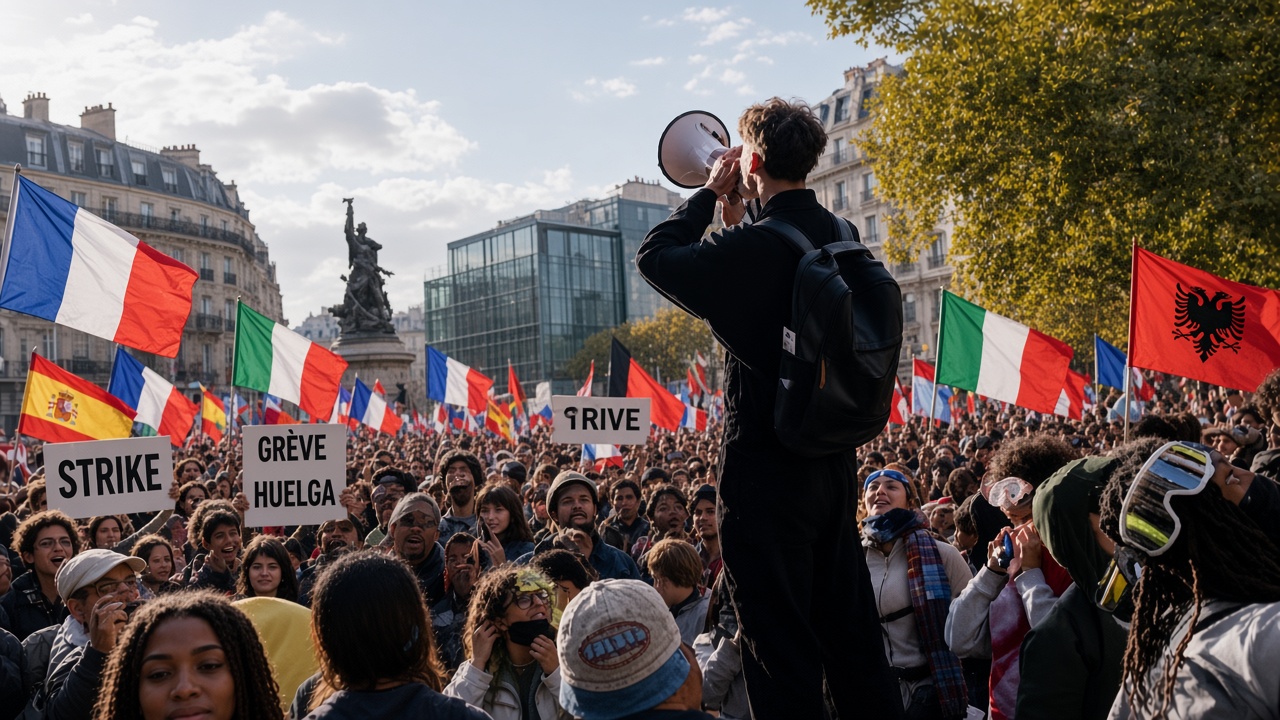
Europe is facing a fresh wave of public discontent as rising living costs, unaffordable housing, pressure on wages and concerns about public services bring demonstrators onto the streets in France, Spain, Portugal, Italy, Belgium and Albania.
The protests, which intensified in October 2026, have increased pressure on governments to respond to the economic difficulties confronting ordinary households. However, the demonstrations do not share a single cause. While the cost of living connects many of the grievances, education, housing insecurity and political accountability have become important issues in individual countries.
The wider concern is whether people can earn enough to meet essential expenses and build a secure future. For many protesters, economic hardship is no longer simply a matter of prices. It is also about the quality of public services and confidence in government decisions.
France: Education Protests Expand into Wider Discontent
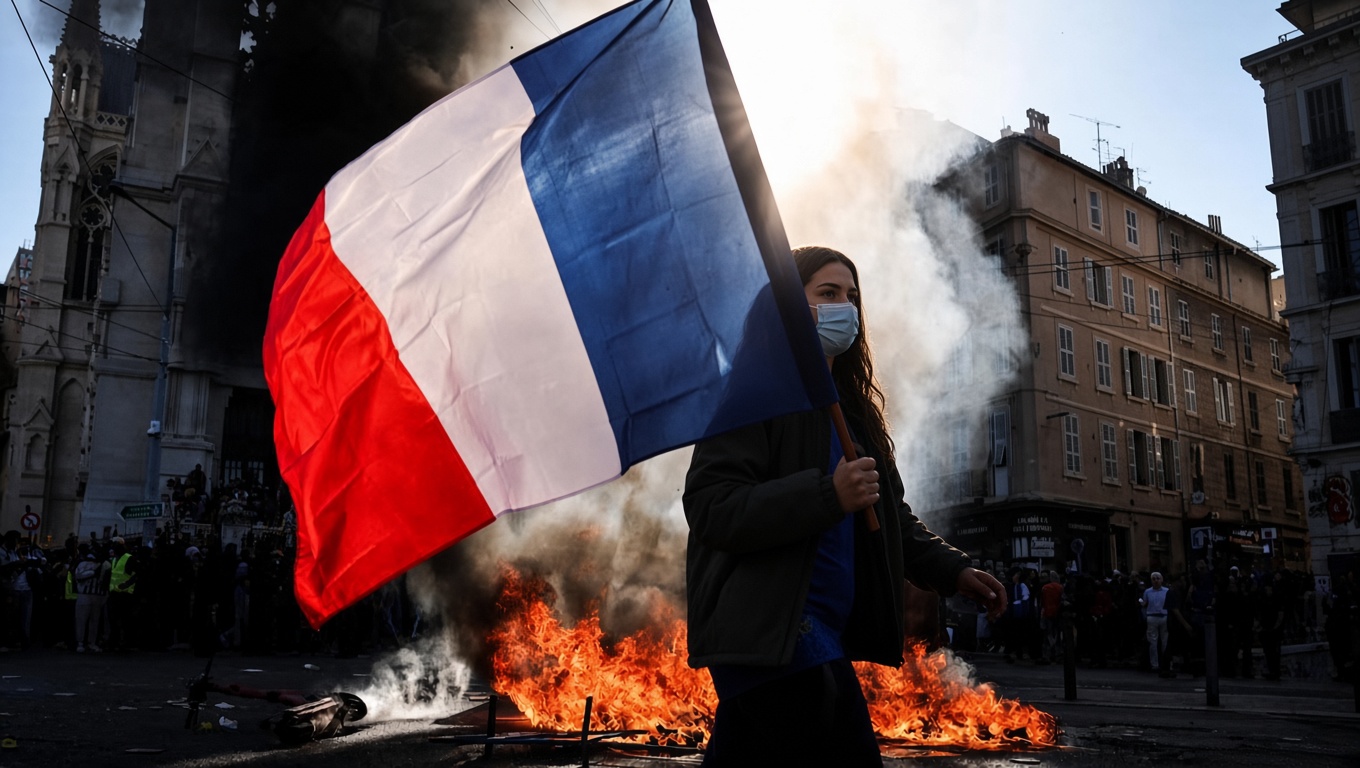
France has emerged as a major centre of the unrest. Demonstrations initially focused on school conditions and teacher shortages before attracting wider participation from workers, unions and people concerned about living costs and public services.
French authorities estimated that more than 550,000 people took part in demonstrations nationwide on 17 October. The rallies were accompanied by serious incidents in some locations, including clashes with police, fires and looting. The violence, however, should not obscure the underlying grievances of peaceful demonstrators.
France illustrates how a dispute within one public service can develop into a broader challenge to government priorities. When concerns about education combine with pressure on household budgets, dissatisfaction can spread beyond the original group of protesters.
The challenge for authorities is to address legitimate concerns while maintaining public order and distinguishing peaceful protest from criminal violence.
Spain: Housing Affordability at the Centre
In Spain, housing insecurity has become a major source of public anger. Demonstrators have called for action over rising rents, evictions and the difficulty of securing affordable accommodation, particularly in urban areas.
The crisis affects more than tenants facing immediate rent increases. It also raises questions about whether young workers can live near employment opportunities, save money or establish independent households.
When a growing share of income goes towards housing, families have less money available for food, transport and energy. Even modest price increases elsewhere can therefore become difficult to absorb.
Spain’s experience demonstrates why housing policy must be part of any serious response to the cost-of-living crisis. Measures that address prices alone may not resolve the shortage of affordable homes or the insecurity experienced by renters.
Portugal: Rising Housing Costs Outpace Household Budgets
Portugal has also witnessed substantial demonstrations over living conditions. Tens of thousands of people marched in Lisbon on 17 October, calling for higher wages, better pensions, improved public services and action on housing affordability.
Housing has become a particularly pressing concern. Reported figures indicate that Portuguese house prices have more than doubled since 2017, while rents for new leases have also risen sharply.
These pressures expose the gap that can emerge between economic activity and household wellbeing. Employment and economic growth offer limited reassurance when wages cannot keep pace with essential expenses.
The protests place pressure on the government to demonstrate how its policies can improve access to housing and protect purchasing power. Without meaningful progress, workers may continue to feel financially insecure despite remaining in employment.
Italy: Energy Costs Affect Households and Businesses
In Italy, demonstrations have reflected concerns about rising prices, employment, public services and economic conditions. Protesters and police clashed in Milan and Bologna, while farmers have faced pressure from rising fuel and other production costs.
Energy prices matter because their effects extend throughout the economy. Higher fuel and electricity costs can increase the expense of transporting goods, operating businesses and producing food. Those costs may eventually feed into prices paid by consumers.
Workers then face pressure to seek higher wages, while businesses must balance rising expenses against customers’ ability to pay.
Italy’s experience highlights the links between household finances and wider economic competitiveness. Responses to living-cost pressures must consider both the immediate needs of families and the costs confronting employers and producers.
Belgium: Education Concerns Add to Economic Tensions
In Belgium, protests in Brussels and Liège have included confrontations with police, while student demonstrations have focused on education costs and university registration fees.
These concerns are not identical to the housing crisis in Spain or Portugal. Nevertheless, education affordability and the quality of public services can contribute to wider dissatisfaction when families are already struggling financially.
For young people, education is closely connected to future employment and financial independence. Concerns about access, cost and quality can therefore become particularly powerful when prospects for a secure future appear uncertain.
Belgium shows why the protests should not be treated as identical. Related economic anxieties can bring people onto the streets even when their immediate demands differ.
Albania: Corruption and Public Trust Drive Protest
Albania presents a different political dimension. Demonstrations in Tirana have centred on corruption allegations, public accountability, public services and demands for Prime Minister Edi Rama to resign. Students and other protesters have also raised concerns about education and employment opportunities.
These demonstrations should not be described as purely cost-of-living protests. Instead, they reflect a wider dispute over governance and confidence in public institutions.
Economic hardship can deepen political frustration when citizens believe that authorities are failing to respond to their needs. However, Albania’s political grievances require analysis in their own right rather than being folded into a single explanation for unrest across Europe.
Inflation Adds to the Pressure
Eurostat reported that annual inflation in the euro area reached 3.8 per cent in September 2026, up from 3.2 per cent in August. Its September flash estimate put annual energy inflation at 18.8 per cent, compared with 14.3 per cent in August.
These figures provide important economic context, particularly because energy costs affect household bills, transport and business operations. However, euro-area averages do not describe every country’s circumstances, and Albania is not part of the euro area.
Inflation figures also require careful interpretation. Slower inflation does not mean prices have returned to previous levels. It means prices are rising more slowly. If food, rent or energy costs have already increased substantially, households may continue to feel the pressure even when the inflation rate moderates.
A Shared Anxiety, but Different National Challenges
The protests across these six countries reveal a shared concern about economic security, but not one unified movement. Education is prominent in France and Belgium, housing is central in Spain and Portugal, economic and energy pressures feature in Italy, while political accountability is a defining issue in Albania.
For governments, the lesson is that a response focused only on inflation will not resolve every grievance. Housing supply, wage growth, access to education and the quality of public services require attention alongside broader economic policy.
The demonstrations also underline the importance of distinguishing peaceful public dissent from violence. Governments must protect public safety without dismissing the legitimate concerns that motivate people to protest.
Ultimately, economic performance must mean more than favourable national statistics. People need to see that work can provide a reasonable standard of living, housing is within reach and essential public services remain accessible.
Europe’s protests are a warning that when these expectations are repeatedly frustrated, economic anxiety can become a wider crisis of public confidence. Restoring that confidence will require credible policies and measurable improvements in people’s daily lives.

Ola Aina is a Black British journalist based in London, specialising in African affairs. She reports on politics, social change, and culture across the continent, bringing depth and context to underreported stories. Through insightful, human-centred journalism, her work connects UK audiences with Africa’s complexities, challenges, and opportunities