Part 2: The Price of Dependency
By David Ola
The Question No One Wants to Ask
“I can’t hear from God without my father.” “I can’t make major decisions without my pastor’s approval.” “If I leave this church, I will lose my blessing.”
Statements like these are heard among Christians in churches across Nigeria, Ghana, and other parts of Africa. They point to a form of spiritual dependency that can leave believers unable to hear God for themselves, exercise their spiritual gifts, or make decisions without the approval of a human leader.
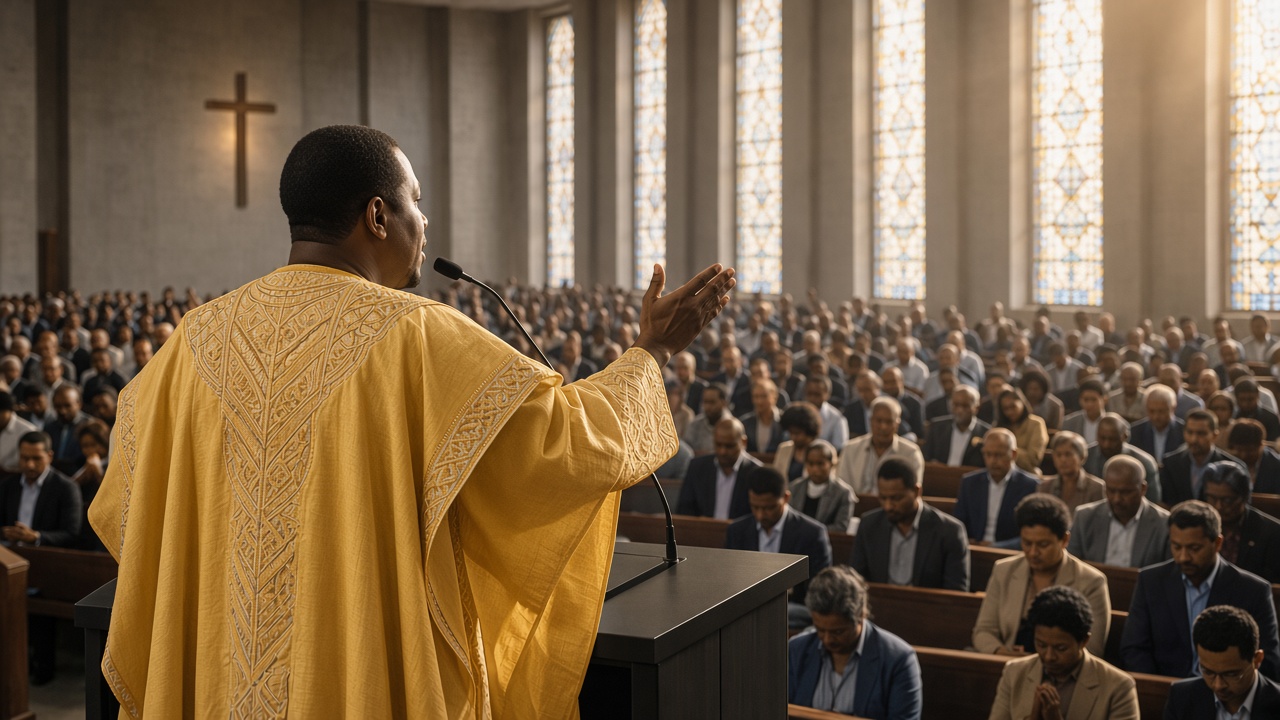
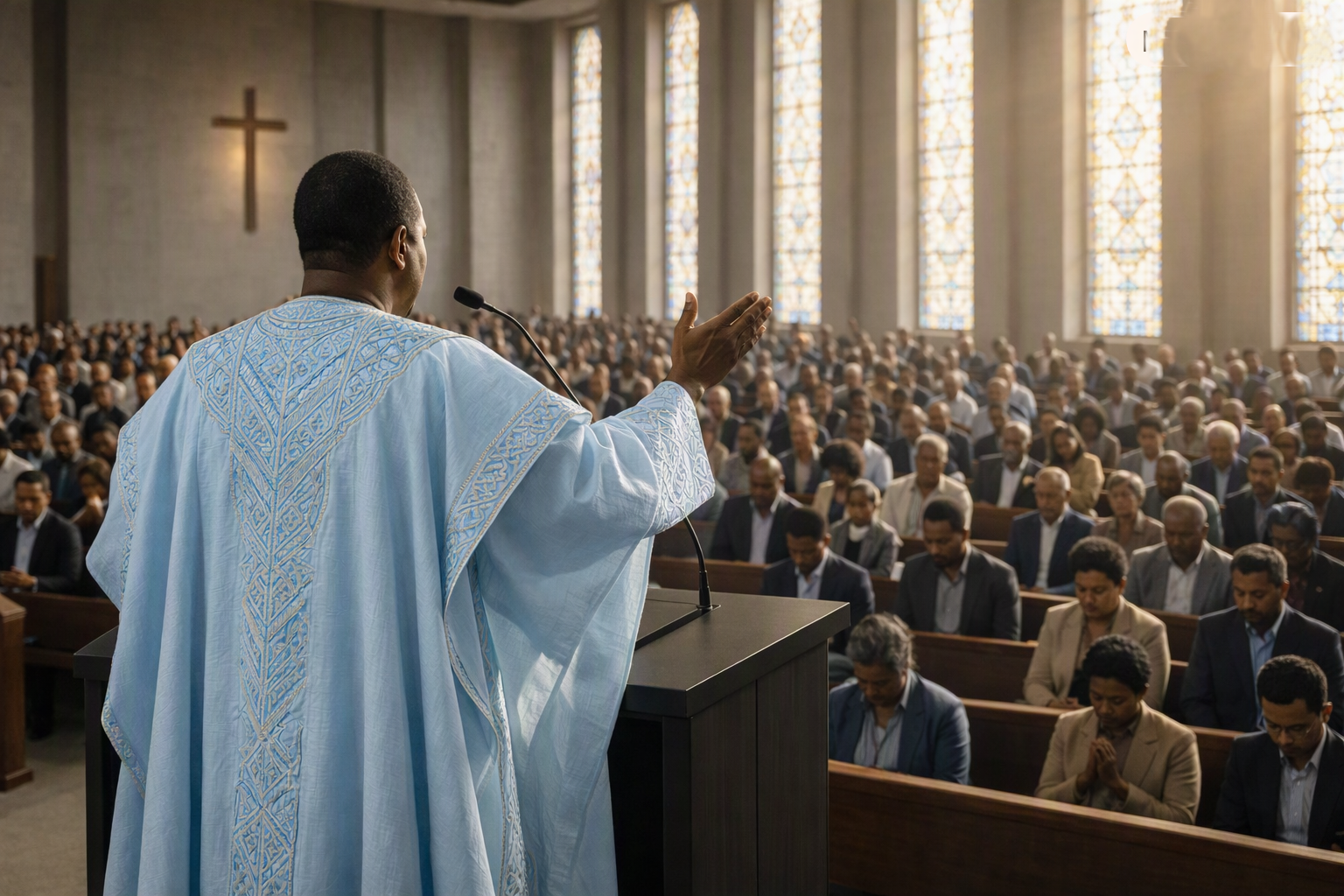
The “spiritual father” phenomenon can create spiritual infants, believers who depend heavily on a human leader for their spiritual direction and identity. This is not what Paul envisioned when he described himself as a spiritual father. His goal was to present every person mature in Christ (Colossians 1:28). Paul wanted believers to grow up, not remain permanently dependent on him.
While this may not describe every church or denomination, the prevalence of such dependency among sections of Pentecostal Christianity raises serious questions about discipleship, leadership, and spiritual maturity.
The Case of Nicholas Duncan-Williams
The story of Archbishop Nicholas Duncan-Williams provides a window into how spiritual dependency can function within African church culture.
According to Duncan-Williams’s own account, he became successful while still young but later resisted the authority of his spiritual father, Archbishop Benson Idahosa. He eventually fell out with Idahosa. Duncan-Williams has also described subsequent years of trouble, including assassination attempts, national security problems, and what he understood as spiritual attacks. He later sought reconciliation with Idahosa.
Duncan-Williams has spoken about the importance of honouring spiritual fathers, and there is biblical wisdom in honouring those who have helped us spiritually. However, his testimony raises an important question: does a spiritual father control a believer’s destiny, protection, or access to God?
The biblical answer requires careful distinction. Honour is biblical, but the idea that a human spiritual father controls another believer’s destiny or that his blessing is essential to that person’s success is difficult to establish from Scripture. Such beliefs can reflect cultural ideas about spiritual authority that have been absorbed into Christian practice.
The question, therefore, is not whether spiritual fathers should be honoured. They should. The question is whether honouring a spiritual father requires surrendering one’s spiritual identity, conscience, destiny, or direct relationship with God to another human being.
Spiritual Abuse and Its Consequences
The ‘spiritual father’ system can create conditions in which spiritual abuse flourishes. Leaders who demand absolute loyalty may resist accountability. Those who question them may be labelled rebellious, while those who speak out can be silenced or publicly humiliated. In some cases, members who attempt to leave may face spiritual threats or financial pressure.
Scholar Zorodzai Dube has examined “spiritual parenting” within African Pentecostalism in Zimbabwe and has drawn attention to the ways such relationships can reproduce patriarchal structures and unhealthy dependency. Her work also raises questions about the vulnerability of these relationships to abuse where spiritual authority intersects with economic and social power.
The issue also has implications for women in church leadership. Systems built around spiritual fatherhood can reinforce patriarchal structures and raise difficult questions about the recognition of women as pastors, founders, and senior leaders.
Financial dependency is another concern. Members may be encouraged to give sacrificially toward the projects and ministries of their spiritual leaders. The prosperity gospel has also been widely criticised for placing excessive emphasis on wealth and material prosperity while presenting an incomplete picture of the Christian gospel.
The danger becomes greater when financial giving is connected to spiritual loyalty, divine favour, or promises of supernatural reward. Where leaders live in luxury while members struggle, the situation raises legitimate questions about stewardship, accountability, and the use of spiritual authority.
The Right Kind of Mentorship
This is not to say that spiritual mentorship is wrong. The problem is not the mentor. It is the model of mentorship.
A healthy spiritual mentor helps believers grow toward maturity, teaches according to Scripture, points people toward Christ rather than themselves, and welcomes accountability. Such a mentor does not seek to control every decision or claim exclusive spiritual authority.
Paul called himself a spiritual father, but he did not seek to create permanent dependence on himself. His ministry pointed believers toward maturity in Christ – 1 Corinthians 4:15. That is the difference between mentorship and control.
The Crisis of Authority
Many Christians have come to place extraordinary authority in their church leaders, giving them titles, responsibilities, and spiritual capacities that belong properly to God and, in the New Testament, are distributed through the work of the Holy Spirit.
The New Testament teaches that believers have received the anointing of the Holy Spirit (1 John 2:27), while spiritual gifts are distributed among believers according to the Spirit’s will (1 Corinthians 12:11). This does not make pastors, teachers, prophets, or mentors unnecessary. It means their authority must remain under Christ and Scripture.
Church leaders are undershepherds, not The Great Shepherd. They are not the Holy Spirit, and they are not the believer’s mediator. Peter instructed church elders to shepherd willingly and not to lord it over those entrusted to them, but to be examples to the flock (1 Peter 5:2–3).
Christ remains the head of the Church.
The Problem of Titles
Titles such as “Papa,” “Daddy,” and “Father” have become significant features of some African Christian traditions. The problem is not necessarily the words themselves, but what they represent and the authority attached to them.
Theologian Vincent Farirai Fenga has examined the use of the title “Papa” within Neo-Pentecostal Christianity in Zimbabwe, highlighting its relationship with African ancestral mediation, biblical spiritual fatherhood, and centralised prophetic authority. This deserves serious attention. When a title places a human leader in a position of absolute spiritual authority, the leader can begin to function as an intermediary between the believer and God.
Such practices can become a re-invention of African Traditional Religion dressed in Christian language, or they may simply reflect a failure to maintain a healthy distinction between honouring spiritual leaders and submitting exclusively to Christ and Scripture.
The Solution
The solution is not to reject spiritual mentors but to embrace biblical discipleship. Believers should seek mentors who help them grow into maturity rather than leaders who demand permanent dependence.
Every believer has access to God through Christ and is called to grow in Scripture, prayer, discernment, service, and the responsible exercise of spiritual gifts. Pastors are important, but they should not make themselves necessary in a way that belongs to Christ and the Holy Spirit.
The gospel is also not about money. Christian discipleship must include salvation, repentance, holiness, sacrifice, service, suffering, kingdom, resurrection, and the return of Jesus Christ.
Church leaders must also be accountable. No leader should be above correction, and no ministry should be built entirely around one personality.
The goal of Christian discipleship is not to produce believers who can never make a decision without their spiritual father. The goal is to produce mature sons and daughters who know Christ, understand Scripture, walk by the Spirit, serve others, exercise their gifts, and stand in faith without being controlled by another human being.
A father should raise a child to maturity. A spiritual father who needs the child to remain dependent has misunderstood fatherhood.
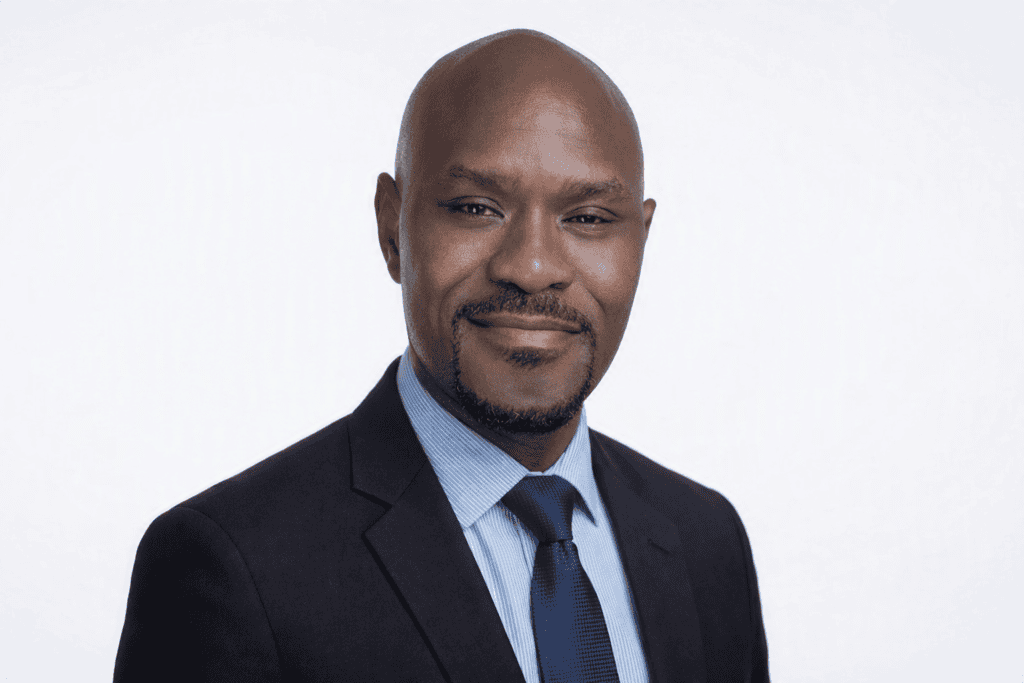
David Ola is a digital media broadcaster, African storyteller and research scholar with over a decade of experience in journalism, strategic communication, academic mentorship and chaplaincy. A writer and analyst, he combines media practice with research rigour to craft narratives that inform and inspire. His work spans digital storytelling, broadcast media, development communication and evidence-based journalism.