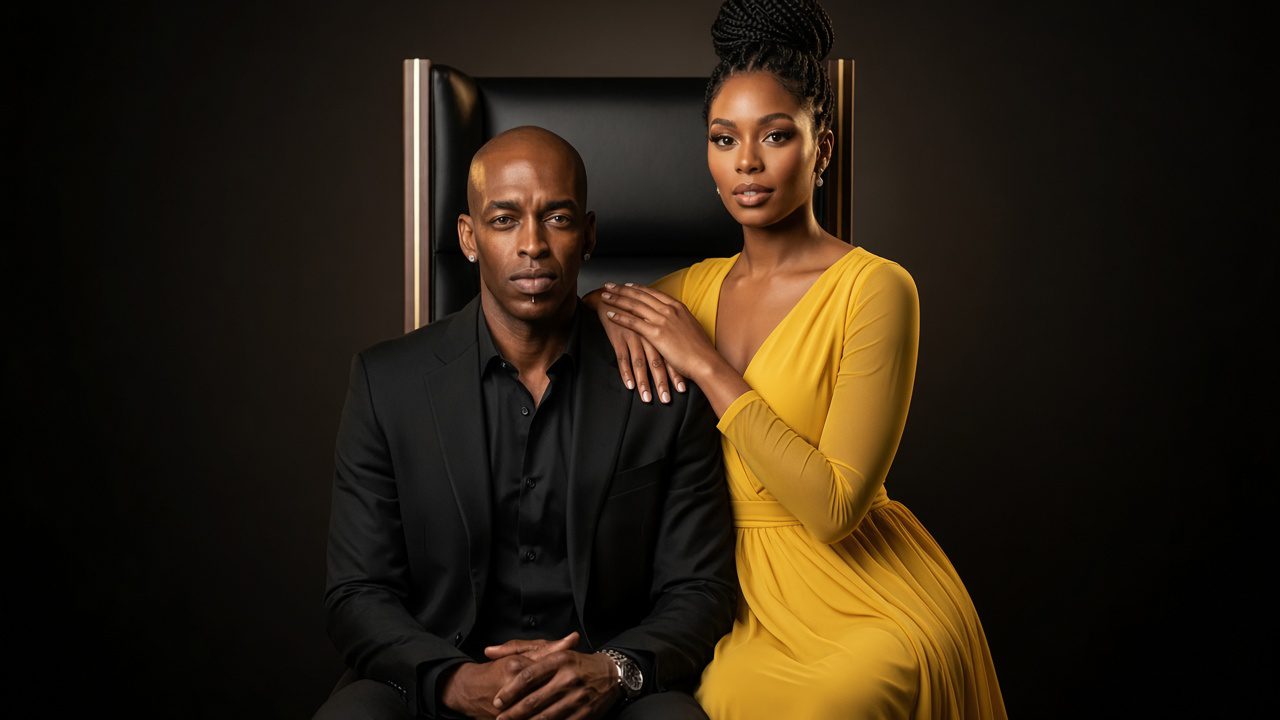

The Guyanese Bus Driver Who Saved a Baby and the Woman Giving Back
By Ola Aina
In a world divided by race, ethnicity, religion and nationality, the story of Joe Campbell and April Paul offers a powerful reminder that humanity must come before prejudice.
In April 1994, Campbell, a Black man originally from Guyana in the Caribbean, discovered a newborn baby abandoned inside a telephone box in Forest Gate, East London. He initially mistook the tiny figure for a discarded wrapper. When he realised it was a baby, he called the emergency services.
His intervention helped save a life and began a remarkable relationship that has endured for more than three decades.
The baby was adopted by a Pakistani family and named Kiran Sheikh. She later became publicly known as April Paul. Years after the rescue, she discovered information about the man who had found her and began searching for him.
Their emotional reunion in 2016 was reported by ITV News. In 2026, the pair appeared together on Good Morning Britain, bringing their extraordinary story back into the public eye.
Now, April is raising money to help Campbell, a bus driver, retire earlier after years of working. The GoFundMe campaign displayed £43,538 raised towards a £100,000 target when last checked. The figure should be updated before publication.
Their story is more than a tale of rescue and reunion. It offers an important lesson about compassion, gratitude and the bonds that can develop between people from different backgrounds.
A life saved, a bond sustained
Campbell did not know the baby’s identity, family or future when he found her. He recognised that a vulnerable child needed help and acted.
According to ITV News, Campbell later tried to maintain contact by sending birthday cards, gifts and money through social services. Those efforts did not reach April during her childhood.
When they eventually reunited, the connection was immediate and meaningful. Their relationship developed into a lasting family bond, demonstrating how an act of kindness can shape lives long after the moment has passed.
Campbell could not have known that the child he helped in 1994 would one day seek to support him in return. He acted because someone needed help, not because he expected recognition or reward.
That is the essence of genuine compassion.
Humanity must come before racism
Campbell’s actions challenge the prejudices that encourage people to judge others by the colour of their skin rather than their character.
A newborn in danger does not need someone to establish her race, religion or nationality before deciding whether she deserves protection. She needs someone willing to help.
Campbell, a Caribbean man, helped save a child who was later raised in a Pakistani family. Their lives became connected through an act of humanity that transcended racial and cultural boundaries.
This does not mean one inspiring story can erase racism or the discrimination experienced by millions of people. Racism remains a serious social problem that requires sustained action, accountability and fair treatment for all.
The lesson is that racial differences should never become excuses for denying another person dignity, compassion or assistance.
Humanity becomes meaningful when we recognise that another person’s life has value, regardless of their background.
Gratitude that inspires others
April’s fundraising campaign gives the story renewed significance. She wants to help the man who helped give her a future enjoy greater financial security and the possibility of retirement.
The campaign has attracted thousands of donations, turning a deeply personal expression of gratitude into a wider act of public generosity.
Her gesture also demonstrates that kindness can inspire further kindness. Campbell’s intervention changed April’s life, and her determination to support him now reflects the lasting impact of his decision.
Their appearance on Good Morning Britain in 2026 has reminded audiences that compassion is not a one-off gesture. It can create relationships that endure for decades.
We are one humanity
For communities struggling with racial tension and social division, this story raises an important question: what would our societies look like if we responded to suffering before asking about race, religion or nationality?
We cannot build peaceful societies by pretending our differences do not exist. We must recognise those differences without allowing them to determine how much we value another person.
Campbell’s decision and April’s response offer a powerful example of what becomes possible when people choose empathy over prejudice.
The world needs more people willing to act with courage, kindness and responsibility. It needs societies that teach children to see others as human beings first, not as members of racial or cultural groups to be feared or rejected.
Joe Campbell found a baby who needed help. He responded with compassion. Decades later, that child is seeking to give something back.
Before race, there is humanity. Before prejudice, there is a choice. And before the divisions that separate us, there is a shared responsibility to protect one another.

Ola Aina is a Black British journalist based in London, specialising in African affairs. She reports on politics, social change, and culture across the continent, bringing depth and context to underreported stories. Through insightful, human-centred journalism, her work connects UK audiences with Africa’s complexities, challenges, and opportunities