Nigeria’s ‘Ban on White and British Models’

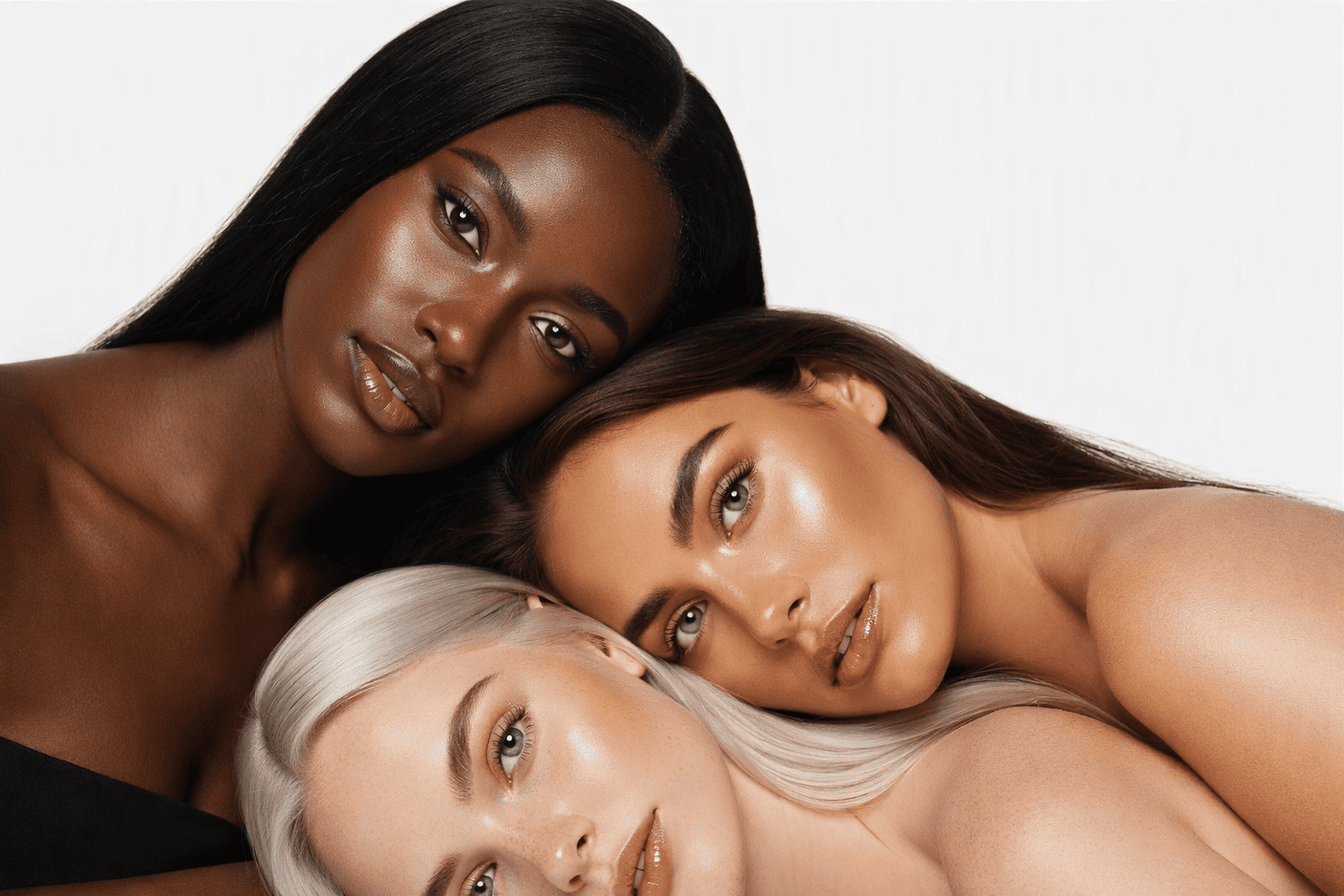
Nigeria’s ‘Ban on White and British Models’: The Truth Behind the Viral Claim A claim circulating widely across social media says Nigeria has become the first country to ban white and British models from appearing in advertising, with the suggestion that the country has enough beautiful people of its own and should therefore use Nigerian talent. The claim has generated renewed attention in 2026, but there is a significant problem with the way the story is being presented. While it is based on a genuine Nigerian advertising policy, the viral version changes important details about what the government actually announced. Nigeria did introduce restrictions on the use of foreign models and foreign voice over artists in advertising. However, the policy was announced in 2022, not 2026, and it was not specifically a ban on white or British people. What Nigeria Actually Announced On 22 August 2022, the Advertising Regulatory Council of Nigeria, ARCON, issued a directive titled “Ban on the Use of Foreign Models and Voice Over Artists on the Nigerian Advertising Medium/Media.” The directive stated that advertisements and marketing communications targeted at or exposed to the Nigerian market were to use Nigerian models and Nigerian voice over artists. The policy was scheduled to take effect from 1 October 2022. ARCON said the measure was intended to promote the development of local talent, support inclusive economic growth and strengthen Nigeria’s advertising industry. The regulator also allowed existing advertising campaigns to complete their approved terms. This meant the policy was not an immediate cancellation of every advertisement already featuring foreign talent. The underlying objective was straightforward. Nigeria wanted its advertising market to create more opportunities for Nigerian creative professionals instead of relying on foreign models and voice artists for campaigns aimed at Nigerian consumers. It Was Not a Ban on White People The most important correction concerns the description of the policy as a ban on white models. ARCON did not announce a ban on white people. It did not specifically prohibit British models. The official wording referred to foreign models and foreign voice over artists. That distinction matters because nationality and race are not the same thing. A British model would fall under the policy because the person is foreign, just as an American, French or German model would. The restriction therefore concerned foreign nationality rather than skin colour or ethnicity. AFP investigated the claim and similarly found that describing Nigeria’s policy as a ban on white models was misleading. The regulation applied to foreign models generally rather than targeting a particular racial group. For journalism, that distinction is important. A headline saying Nigeria banned white models communicates something considerably different from a regulation saying Nigeria will not permit foreign models in advertising. An Old Policy Presented as a New Story The timing of the viral claim is another important part of the story. Posts circulating in 2026 can give readers the impression that Nigeria has just introduced a new ban. The evidence shows otherwise. The policy being referenced was announced in August 2022, with implementation beginning in October of that year. A March 2026 fact check by Nigerian platform Roundcheck traced the current viral narrative back to the 2022 ARCON directive and found that the description of the policy as a ban on white models was inaccurate. This matters because presenting an old policy as a new one can significantly alter the public understanding of what is happening in Nigeria today. What About the ‘300 Million Beautiful People’ Quote? The viral version of the story also includes the claim that Nigeria has “300 million beautiful people” and will therefore use its own people in advertising. There is no such statement in the official ARCON directive announcing the policy. The regulator explained the decision in terms of developing local talent, promoting economic participation and strengthening Nigeria’s advertising industry. The official document does not justify the policy by referring to the number or appearance of Nigeria’s population. The population figure itself also raises questions. When the policy was announced in 2022, Nigeria’s population was generally estimated at around 200 million. The reference to 300 million therefore appears to be part of the later viral narrative rather than the original government announcement. This illustrates how information can change as it travels online. A genuine policy can be combined with an unsourced quotation, an altered statistic and a more provocative description before being presented as though all the elements came from the original source. Why the Policy Matters Behind the misleading viral framing is a significant policy decision. Nigeria has a large creative economy, including models, actors, voice artists, filmmakers, musicians and other professionals who depend on commercial opportunities. Advertising is an important market for many of them. ARCON’s policy was designed to increase the participation of Nigerian creative professionals in advertisements aimed at the Nigerian market. It reflected a broader effort to ensure that local talent benefits from the commercial value generated within the country. The decision attracted international attention in 2022. Al Jazeera reported at the time that Nigeria was the first country known to have introduced such a restriction on foreign models and voice over artists in advertising. That distinction is worth preserving. Nigeria's policy was unusual, but its unusual nature does not turn it into a racial ban. The Verdict: A Real Policy, Misrepresented Online The facts are clear. Nigeria announced a restriction on foreign models and foreign voice over artists in advertising on 22 August 2022, with the measure taking effect from 1 October 2022. The stated purpose was to promote Nigerian talent and strengthen the domestic advertising industry. But Nigeria did not announce a policy specifically banning white or British models. The regulation was based on whether the talent was Nigerian or foreign, not on race. There is also no evidence in the original ARCON announcement that the regulator said Nigeria had “300 million beautiful people” and would therefore use its own citizens. The viral claim is therefore rooted in a real Nigerian policy, but it has been repackaged in a way that changes important parts of the original story. The documented story is compelling enough on its own: Nigeria chose to prioritise Nigerian models and voice over artists in its advertising market. What it did not do was introduce a ban specifically against white or British models. In an age when a provocative social media headline can travel faster than the document behind it, the responsibility of journalism remains the same: go back to the source, establish the date, read the wording and separate what happened from what people later claimed happened. Ola Aina is a Black British journalist based in London, specialising in African affairs. She reports on politics, social change, and culture across the continent, bringing depth and context to underreported stories. Through insightful, human-centred journalism, her work connects UK audiences with Africa's complexities, challenges, and opportunities Black and white models in a unified composition representing diversity and shared beauty.

The Truth Behind the Viral Claim 

A claim circulating widely across social media says Nigeria has become the first country to ban white and British models from appearing in advertising, with the suggestion that the country has enough beautiful people of its own and should therefore use Nigerian talent. 

The claim has generated renewed attention in 2026, but there is a significant problem with the way the story is being presented. While it is based on a genuine Nigerian advertising policy, the viral version changes important details about what the government actually announced. 

Nigeria did introduce restrictions on the use of foreign models and foreign voice over artists in advertising. However, the policy was announced in 2022, not 2026, and it was not specifically a ban on white or British people. 

What Nigeria Actually Announced 

On 22 August 2022, the Advertising Regulatory Council of Nigeria, ARCON, issued a directive titled “Ban on the Use of Foreign Models and Voice Over Artists on the Nigerian Advertising Medium/Media.” 

The directive stated that advertisements and marketing communications targeted at or exposed to the Nigerian market were to use Nigerian models and Nigerian voice over artists. The policy was scheduled to take effect from 1 October 2022. 

ARCON said the measure was intended to promote the development of local talent, support inclusive economic growth and strengthen Nigeria’s advertising industry. 

The regulator also allowed existing advertising campaigns to complete their approved terms. This meant the policy was not an immediate cancellation of every advertisement already featuring foreign talent.    

The underlying objective was straightforward. Nigeria wanted its advertising market to create more opportunities for Nigerian creative professionals instead of relying on foreign models and voice artists for campaigns aimed at Nigerian consumers. 

It Was Not a Ban on White People 

The most important correction concerns the description of the policy as a ban on white models. 

ARCON did not announce a ban on white people. It did not specifically prohibit British models. The official wording referred to foreign models and foreign voice over artists. 

That distinction matters because nationality and race are not the same thing. 

A British model would fall under the policy because the person is foreign, just as an American, French or German model would. The restriction therefore concerned foreign nationality rather than skin colour or ethnicity. 

AFP investigated the claim and similarly found that describing Nigeria’s policy as a ban on white models was misleading. The regulation applied to foreign models generally rather than targeting a particular racial group. 

For journalism, that distinction is important. A headline saying Nigeria banned white models communicates something considerably different from a regulation saying Nigeria will not permit foreign models in advertising. 

An Old Policy Presented as a New Story 

The timing of the viral claim is another important part of the story. 

Posts circulating in 2026 can give readers the impression that Nigeria has just introduced a new ban. The evidence shows otherwise. The policy being referenced was announced in August 2022, with implementation beginning in October of that year. 

A March 2026 fact check by Nigerian platform Roundcheck traced the current viral narrative back to the 2022 ARCON directive and found that the description of the policy as a ban on white models was inaccurate. 

This matters because presenting an old policy as a new one can significantly alter the public understanding of what is happening in Nigeria today. 

What About the ‘300 Million Beautiful People’ Quote? 

The viral version of the story also includes the claim that Nigeria has “300 million beautiful people” and will therefore use its own people in advertising. 

There is no such statement in the official ARCON directive announcing the policy. 

The regulator explained the decision in terms of developing local talent, promoting economic participation and strengthening Nigeria’s advertising industry. The official document does not justify the policy by referring to the number or appearance of Nigeria’s population. 

The population figure itself also raises questions. When the policy was announced in 2022, Nigeria’s population was generally estimated at around 200 million. The reference to 300 million therefore appears to be part of the later viral narrative rather than the original government announcement. 

This illustrates how information can change as it travels online. A genuine policy can be combined with an unsourced quotation, an altered statistic and a more provocative description before being presented as though all the elements came from the original source. 

Why the Policy Matters 

Behind the misleading viral framing is a significant policy decision. 

Nigeria has a large creative economy, including models, actors, voice artists, filmmakers, musicians and other professionals who depend on commercial opportunities. Advertising is an important market for many of them. 

ARCON’s policy was designed to increase the participation of Nigerian creative professionals in advertisements aimed at the Nigerian market. It reflected a broader effort to ensure that local talent benefits from the commercial value generated within the country. 

The decision attracted international attention in 2022. Al Jazeera reported at the time that Nigeria was the first country known to have introduced such a restriction on foreign models and voice over artists in advertising. 

That distinction is worth preserving. Nigeria’s policy was unusual, but its unusual nature does not turn it into a racial ban. 

The Verdict: A Real Policy, Misrepresented Online 

The facts are clear. Nigeria announced a restriction on foreign models and foreign voice over artists in advertising on 22 August 2022, with the measure taking effect from 1 October 2022. 

The stated purpose was to promote Nigerian talent and strengthen the domestic advertising industry. 

But Nigeria did not announce a policy specifically banning white or British models. The regulation was based on whether the talent was Nigerian or foreign, not on race. 

There is also no evidence in the original ARCON announcement that the regulator said Nigeria had “300 million beautiful people” and would therefore use its own citizens. 

The viral claim is therefore rooted in a real Nigerian policy, but it has been repackaged in a way that changes important parts of the original story. 

The documented story is compelling enough on its own: Nigeria chose to prioritise Nigerian models and voice over artists in its advertising market. What it did not do was introduce a ban specifically against white or British models. 

In an age when a provocative social media headline can travel faster than the document behind it, the responsibility of journalism remains the same: go back to the source, establish the date, read the wording and separate what happened from what people later claimed happened. 

Copilot 20260709 160901 2tcmp

Ola Aina is a Black British journalist based in London, specialising in African affairs. She reports on politics, social change, and culture across the continent, bringing depth and context to underreported stories. Through insightful, human-centred journalism, her work connects UK audiences with Africa’s complexities, challenges, and opportunities 

Author

Leave a Reply

Your email address will not be published. Required fields are marked *

error: Content is protected !!