By Ola Aina
A Historic Breakthrough in American Politics
The November 3, 2026, United States midterm elections have opened a significant new chapter in American political representation. Four Black candidates won gubernatorial races, joining Maryland Governor Wes Moore, who secured re-election, to create an unprecedented five Black governors serving simultaneously from January 2027.

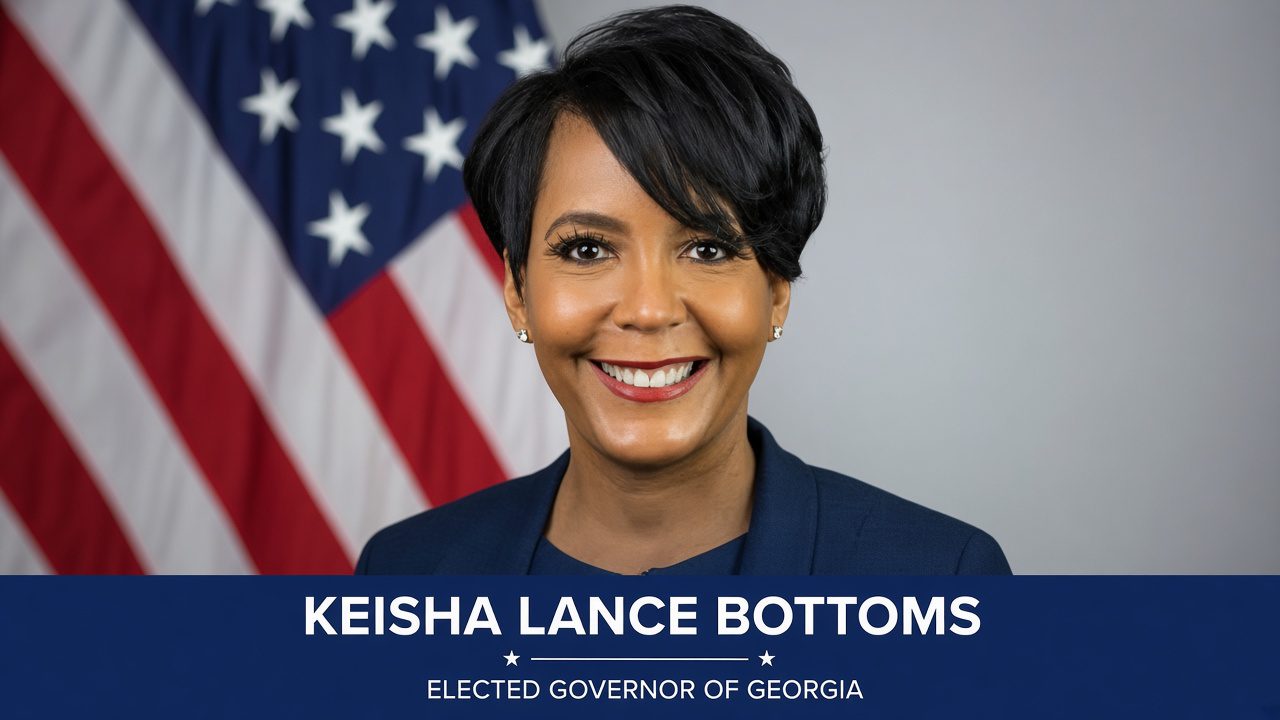
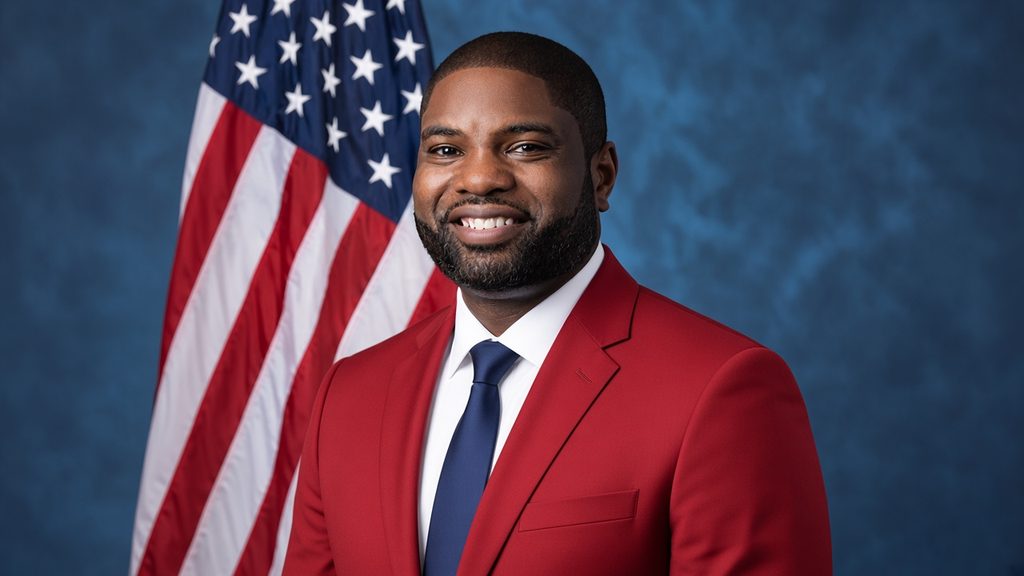
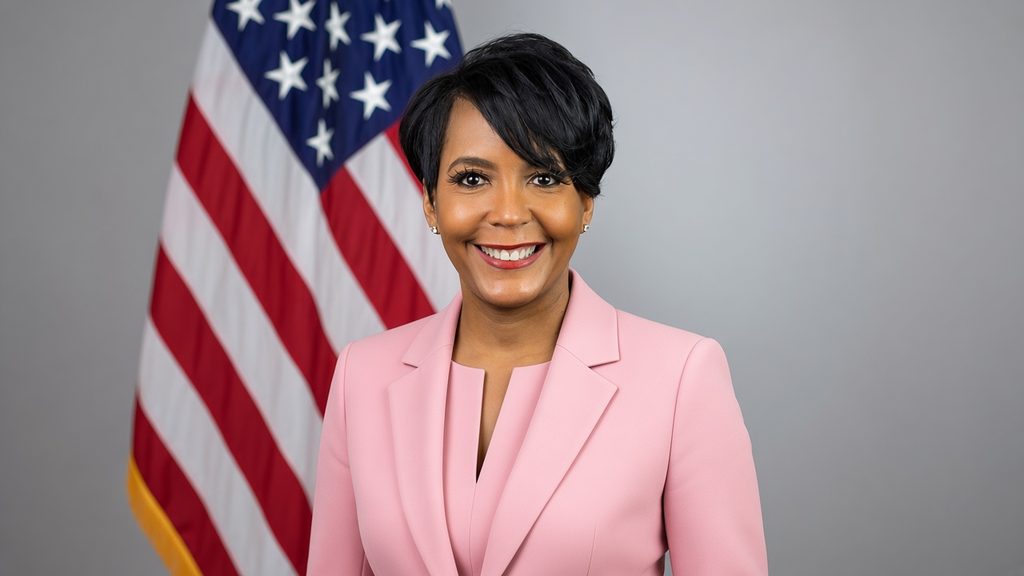
Keisha Lance Bottoms’s victory in Georgia, Republican Byron Donalds’s in Florida, David Crowley’s in Wisconsin, and Aaron Ford’s in Nevada mark historic firsts for their respective states. Bottoms becomes the first Black woman elected governor in American history, while Donalds becomes the first Black Republican elected to a state governorship.
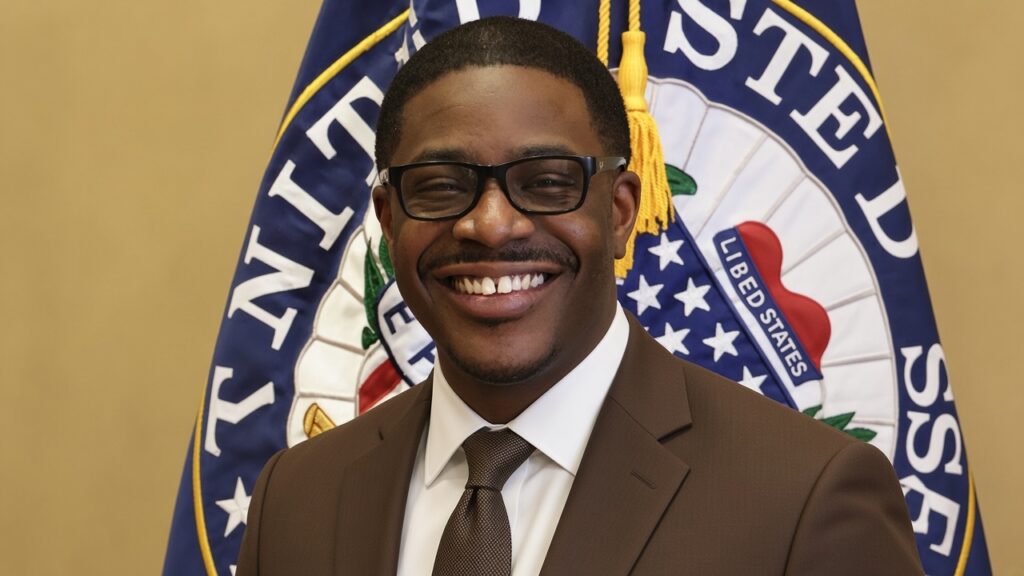
The scale of the achievement becomes clearer against history. Before these elections, only three Black Americans had been elected governor: L. Douglas Wilder of Virginia, Deval Patrick of Massachusetts and Wes Moore of Maryland. The latest victories raise that number to seven.
Historic Gains, but Representation Remains Uneven
The results’ significance extends beyond the governors’ offices. The Joint Center for Political and Economic Studies reports that the number of Black voting members in the incoming House of Representatives could fall from 61 to 58. The Senate, meanwhile, is expected to have between six and seven Black members, depending on the outcome of the Mississippi contest.
This contrast is important. Historic breakthroughs at the executive level do not automatically translate into broader representation across the legislative system.
Beyond Historic Victories: The Test of Governance
The policy choices of the new governors will now matter as much as their historic victories. Bottoms campaigned on affordability, including reducing healthcare costs, expanding access to affordable housing and guaranteeing pre-kindergarten education for four-year-olds. The Democrats have placed particular emphasis on insurance costs, property taxes and affordability for Florida’s working families and senior citizens.
Their ability to deliver will depend not only on campaign promises but also on legislative support, public finances and the political coalitions they can build.
Nigerian-Americans Make Their Mark
Another striking development is the success of Nigerian-Americans. The Nigerians in Diaspora Commission (NiDCOM) congratulated 14 Nigerian-Americans who won elective positions across several states and Washington, DC.
Among them are Will Jawando, elected Montgomery County Executive in Maryland; Oye Owolewa, elected to the District of Columbia Council; and Junior Ezeonu, who won a seat in the Texas House of Representatives.
Others include Segun Adeyina, Solomon Adesanya, Gabe Okoye and Phil Olaleye in Georgia; Esther Agbaje in Minnesota; Justin Onwenu in Michigan; Ukeme Awakessien-Jeter in Ohio; Olaleye Onikuyide in Connecticut; Janelle Anyanonu in New Mexico; Carol Kazeem in Pennsylvania; and Odus Evbagharha in Texas. Some secured new positions, while others retained existing seats.
What These Victories Could Mean for Nigeria
For Nigeria, these achievements offer an opportunity to strengthen engagement with its diaspora, but the relationship should be approached with realism. Nigerian-Americans are elected to serve their American constituents, not to represent Nigeria. Any wider benefit to Nigeria must therefore emerge through mutual interests, sustained relationships and deliberate engagement.
The economic case for engaging the diaspora is already substantial. World Bank data puts Nigeria’s personal remittance receipts at approximately $22.8 billion in 2025. While this figure covers remittances from Nigerians abroad generally, rather than the United States alone, it underlines the diaspora’s economic importance.
There is potential for elected Nigerian-Americans to contribute to conversations around investment, education, technology, trade and cultural exchange, provided such engagement respects their public responsibilities and political independence.
Representation Must Translate into Results
Ultimately, the 2026 elections should be judged by more than historic numbers or ancestral connections. The real test will be whether these victories produce effective policies, accountable leadership and measurable improvements in people’s lives.
Representation opens the door. Good governance determines what happens after people walk through it.

Ola Aina is a Black British journalist based in London, specialising in African affairs. She reports on politics, social change, and culture across the continent, bringing depth and context to underreported stories. Through insightful, human-centred journalism, her work connects UK audiences with Africa’s complexities, challenges, and opportunities