
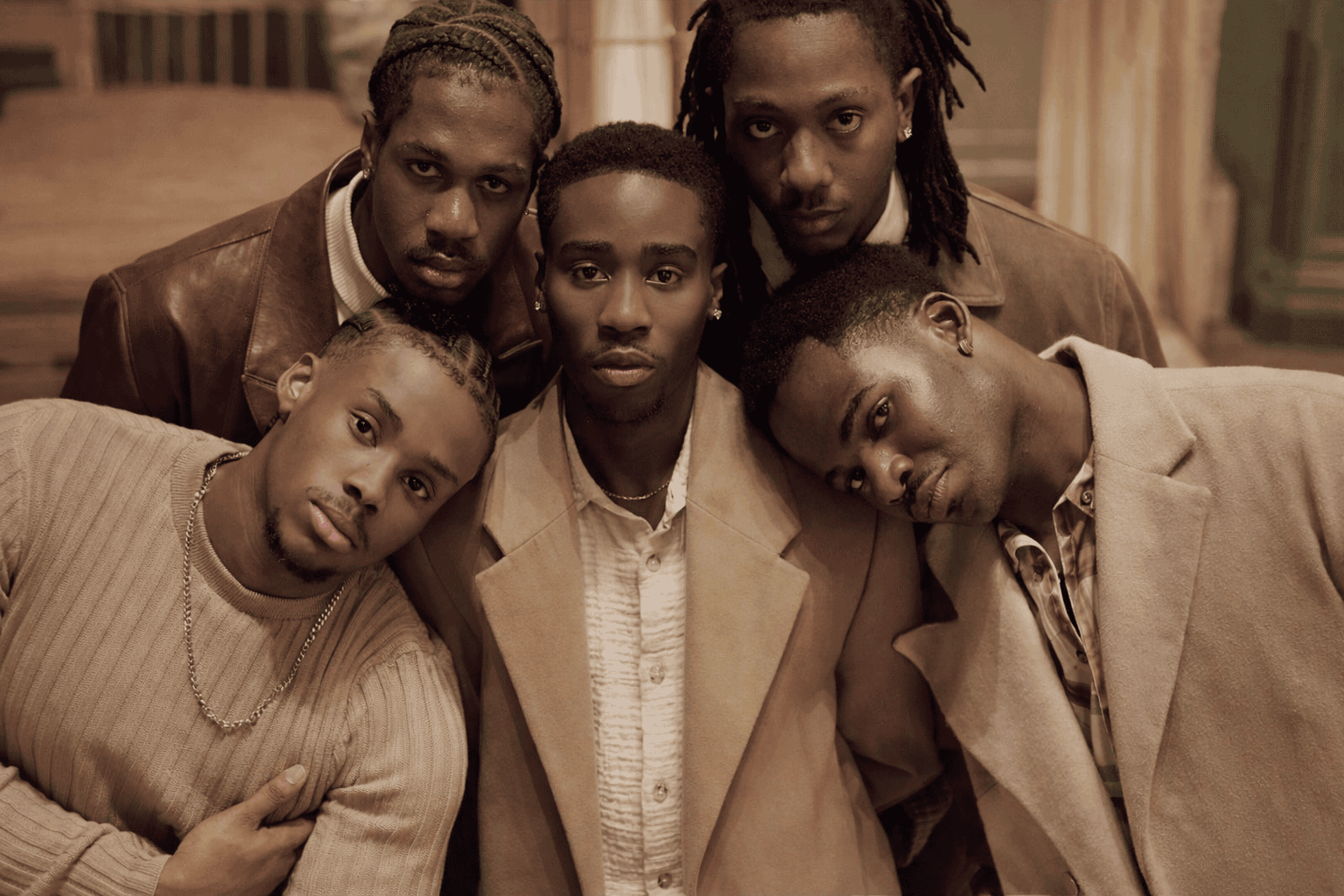
Part One: The Village That Raises a Child, Reclaiming the African Communal Framework
By David Ola
Beyond biology, how the African collective shapes men, and why its erosion leaves a void.
For a moment, I want you to picture a young boy in the heart of a typical African community some decades ago. Perhaps this boy was me, you, or any one of our fathers.
It is dusk.
The boy has been running errands for his mother, fetching water from the stream. On his way back, he passes the village square where the elders are seated under the ancient ”iroko tree”. He stops to listen, not because he is told to, but because something in the atmosphere compels him.
He hears them discussing a land dispute. He does not understand all the nuances, but he sees the patience, the measured tones, the wisdom in the way they reach a consensus.
One of the elders, not his biological father, catches his eye and asks him his name.
‘Come closer,’ he says. ‘What did you learn from this discussion?’
That moment is a microcosm of the African philosophy of parenting, a system where the growth of a child is a communal engagement. It is a responsibility shared by every adult in the vicinity.
This was the world I was born into.
As a Nigerian father now raising three children in Europe, I am a product of this system. My biological father, though not my hero, had the role of showing me certain critical directions. However, I was also directly fathered through the man who fathered my biological father, my grandfather. I was also fathered by other relatives, neighbours and even community elders.
In the African context, identity is relational; the self is defined by the community.
But today, this fabric is fraying.
The African village is becoming a concept of the past, and with it, the ‘village’ that used to raise the child.
We are increasingly adopting models of the nuclear family and individualised family life, while having their merits, can sometimes isolate the child within the confines of a home where the father is increasingly absent or overwhelmed.
The result is a crisis of identity, particularly for our boys.
They are losing the ‘school of responsibility’ that the village provided. They are losing the collective mentorship that turns boys into men.
Individualism and the African Communal Tradition
There can be significant differences in how different African and Western societies perceive the development of a child, particularly between the communal traditions found in many African societies and the more individual-centred approaches found in some Western societies.
In some Western contexts, success is strongly associated with individual achievement. A child may be encouraged to become autonomous, self-maximising and focused on building an individual future. Education can focus heavily on personal academic success, often segmented into grades and accolades that belong to the individual.
The measure of a man can become how much he has accumulated for himself.
This differs from the communal philosophy that has traditionally shaped many African communities.
In many traditional African communities, success has historically been understood as a communal victory. The training of a child, as noted in various studies on African parenting, is geared towards social responsibility.
The child is an apprentice to life, learning from the master craftsmen of society: the farmers, the blacksmiths, the storytellers and the elders.
This is the template we must revisit and restore to address the fatherlessness that plagues our communities.
When a father is absent, or even when he is present but isolated, the child misses the supplementary mentorship that used to be provided by the community.
We cannot afford to raise children in silos.
We must re-engineer the ‘African village’ to provide the collective guidance that raises resilient, responsible and selfless men.
The Urgency of Reclaiming Our Narrative
The consequences of this neglect are devastating.
We are creating a generation of ‘boys’ who have left the family still carrying the naivety of childhood, expecting their wives and the world to complete the learning process for them.
To address this, we must consciously make our communities ‘father-saturated’.
This means every adult man must see himself as a father to every child he encounters.
It is a call to take responsibility.
But most importantly, it begins with the biological father.
He must be the central figure, the architect of the village. Without his intentional effort, the ‘village’ cannot function.
The Solution: Restoring the Collective ‘School of Responsibility’
The African proverb says, ‘It takes a village to raise a child’, but we must ensure the village is intentional about fathering.
To combat fatherlessness and its effects, we must actively rebuild the communal framework.
This requires actionable steps that integrate the collective into the upbringing of our children, providing the mentorship our boys desperately need.
Communal Apprenticeship
Parents must deliberately and cautiously expose children to multiple adult role models beyond the nuclear family.
This is not a suggestion but a strategy.
We must rotate a child’s time among extended relatives and quality moral stakeholders: grandparents, aunts, uncles, older cousins and trusted non-kin elders within the neighbourhood or faith community.
Relational Success Ritual
We must replace individual achievement celebrations with relational success rituals.
When a child passes an examination or wins a competition, the celebration must explicitly name and honour the network that made it possible.
For example, a family gathering following a child’s academic success should include a ritual where the child publicly thanks specific individuals:
‘I succeeded because Uncle Tunde mentored me, and Mr Ade walked me to the library.’
This practice rewires the child’s definition of success from ‘what I earned alone’ to ‘what we achieved together’.
Multigenerational Legacy Plan
Fathers must raise children with explicit knowledge of their ancestral lineage and explicit responsibility for their descendants.
This involves ancestral storytelling.
By age ten, a child should be able to name at least three generations of ancestors and articulate how that ancestor’s struggle directly benefits the child today.
Frame every educational and economic investment as a debt owed not to the parents, but to the child’s own grandchildren.
The core message is:
‘You were given resources so that you can give more to those who come after you.’
The task is to restore these cultural institutions with intentionality.
This requires no Western validation and no foreign funding; it only requires the will to reclaim the African blueprint that produced the generations that built our great civilisations.
It is the father’s responsibility to lead this charge. It is a worthy mandate.
To be continued.
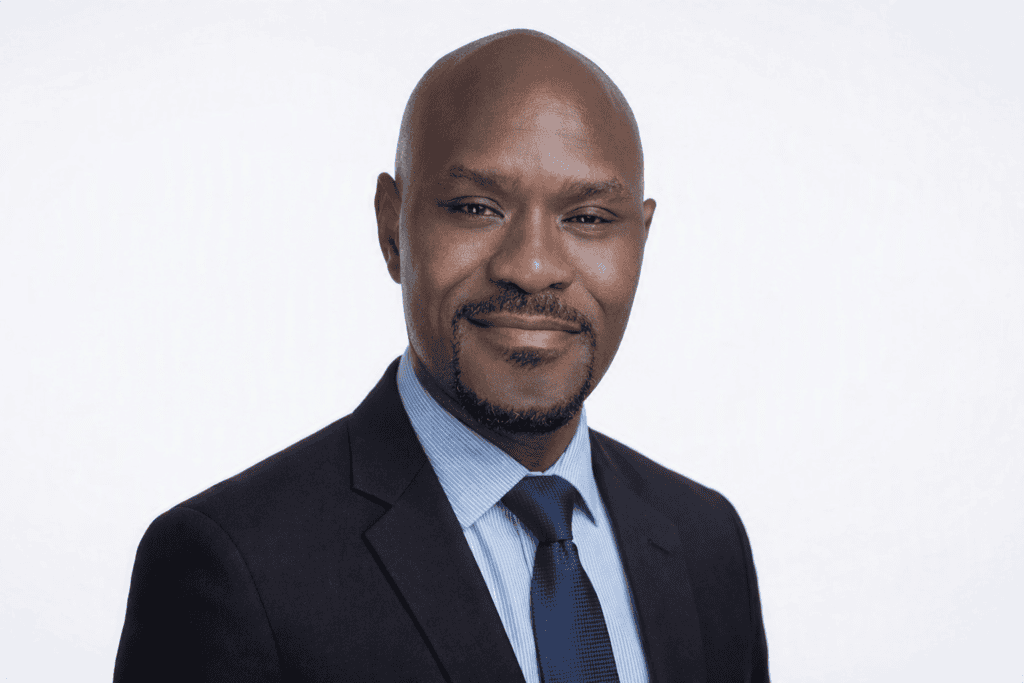
David Ola is a digital media broadcaster, African storyteller and research scholar with over a decade of experience in journalism, strategic communication, academic mentorship and chaplaincy. A writer and analyst, he combines media practice with research rigour to craft narratives that inform and inspire. His work spans digital storytelling, broadcast media, development communication and evidence-based journalism.