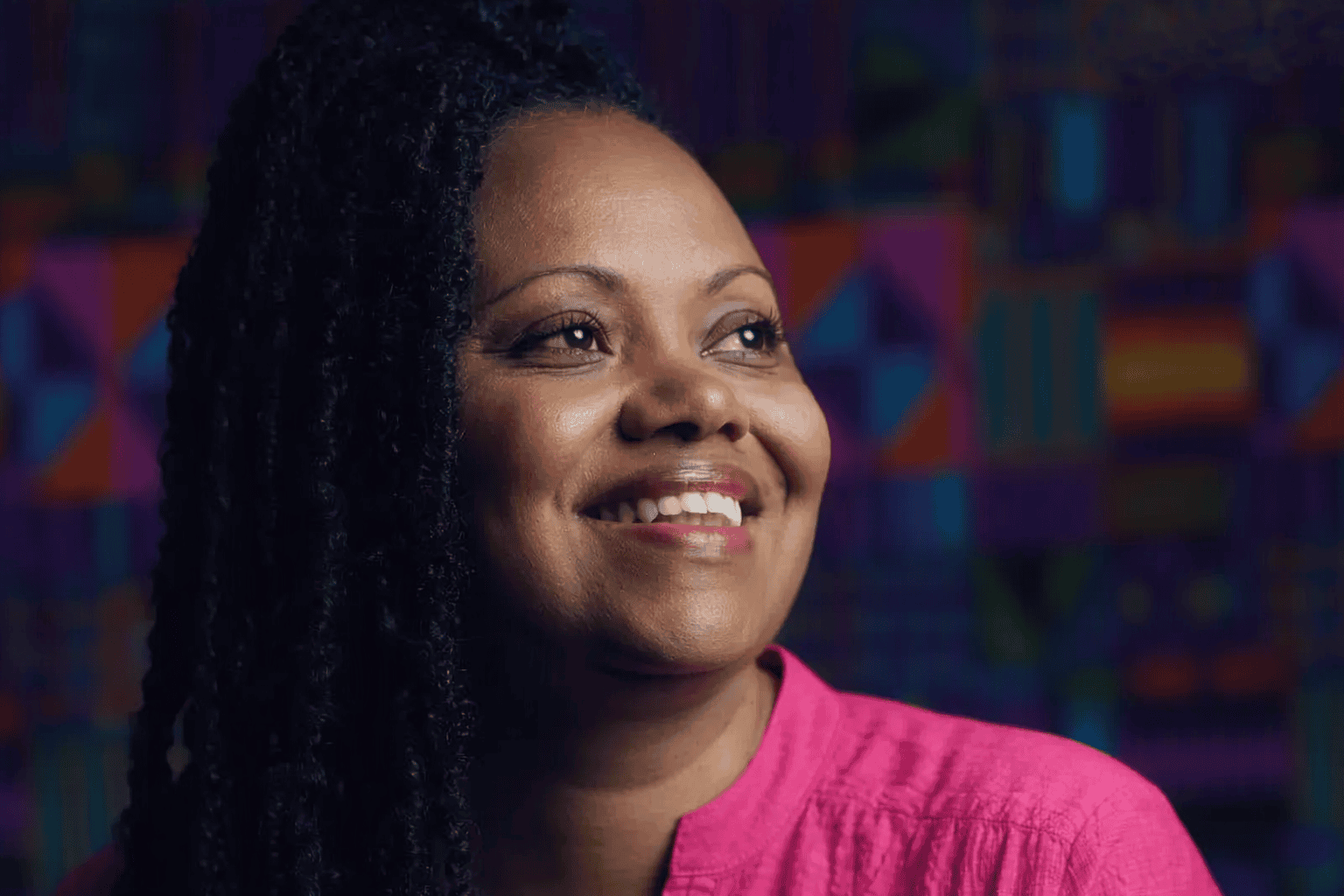

Her deportation battle has become a debate over more than immigration status, with Nigerians divided between those questioning her decision to remain in South Africa and those defending her right to fight for her status.
By Ola Aina
From Pageant Controversy to Legal Battle
Chidimma Adetshina’s continuing legal battle in South Africa has become a revealing debate about identity, belonging and personal choice. What began with the 2024 Miss South Africa controversy has evolved into an immigration and deportation case, with the Cape Town Regional Court now expected to revisit the matter on 27 February 2027 while a separate High Court review remains unresolved.
Adetshina was born in South Africa to a Nigerian father and became a finalist in Miss South Africa before withdrawing amid intense controversy over her nationality and questions surrounding documentation linked to her mother.
She subsequently competed in Miss Universe Nigeria, won the title and represented Nigeria at Miss Universe 2024, where she finished as first runner-up. Her journey from the South African controversy to international recognition through Nigeria has become an important part of how Nigerians interpret her present situation.
Why Some Nigerians Are Asking “Why South Africa?”
For some Nigerians, the central issue is no longer simply whether Adetshina has a legal basis to challenge the South African authorities. Their question is why she continues to pursue South- Africa when Nigeria provided her with another platform at a moment when her future in the country appeared uncertain.
This view is particularly visible online, where some Nigerians have argued that she was supported by Nigeria, won a national crown and achieved international recognition, yet eventually returned to the same environment where her identity had become controversial. For this group, the issue is therefore about choice rather than legal entitlement. They ask whether continuing the battle in South Africa is worth the repeated controversy and hostility surrounding it.
Some reactions have become extremely harsh, including comments suggesting that whatever happens to her is her responsibility if she chooses to remain. Such comments should not be interpreted as the position of Nigerians generally, but they demonstrate the depth of frustration among a section of the online audience.
The Other Side: She Has a Right to Fight
The opposing argument is equally significant. Adetshina was born in South Africa and has longstanding ties to the country, and her lawyers have argued that those ties are relevant to her legal position. She has maintained that she was born in South Africa and has used the courts to challenge the authorities’ position on her status.
From this perspective, leaving South Africa simply because sections of the public want her gone would mean allowing public hostility to influence a matter that should be determined through legal processes. Her supporters therefore see the case less as a question of gratitude to Nigeria and more as a question of whether an individual should be able to pursue a legal claim concerning the country where she was born.
The Nigerian Experience Has Complicated the Debate
The debate has also been complicated by reported claims concerning Adetshina’s experience in Nigeria. Some Nigerians have reacted negatively to reports that she experienced difficulties adjusting to the country or raised concerns about her safety there. Those claims should remain attributed to her reported experience and should not be presented as an established judgment about Nigeria.
Nevertheless, they have influenced public perception because many Nigerians remember that Nigeria offered her a new platform after the Miss South Africa controversy. Her success at Miss Universe subsequently generated considerable national pride, making some people question why the country that embraced her has apparently become less attractive to her than South Africa.
Others argue that public gratitude cannot determine where an individual chooses to live. From that perspective, Nigeria’s support does not remove Adetshina’s right to pursue a future elsewhere or challenge a legal decision affecting her.
A Personal Case Inside a Wider National Tension
The argument cannot be separated from the wider relationship between Nigerians and South Africans. Immigration and xenophobia remain sensitive issues in South Africa, while Nigeria has repeatedly expressed concern over attacks involving its citizens. In July 2026, the Federal Government said it had evacuated 1,490 Nigerians from South Africa following xenophobic attacks.
The confrontation outside the Cape Town Regional Court has therefore given the case another dimension. Protesters demanded that Adetshina leave South Africa, while footage of the confrontation circulated widely online.
Her case now sits between two competing realities. She has a legal dispute that she is entitled to pursue, but she is also a public figure whose decision to remain in South Africa is being judged against her earlier experience and the support she received from Nigeria.
For some Nigerians, the question remains, why South Africa at all, when she has already demonstrated that she can build a successful life elsewhere? For others, the answer is that neither public hostility nor expectations of gratitude should determine where a person chooses to belong.
That tension, rather than the legal case alone, explains why Chidimma Adetshina continues to command public attention.

Ola Aina is a Black British journalist based in London, specialising in African affairs. She reports on politics, social change, and culture across the continent, bringing depth and context to underreported stories. Through insightful, human-centred journalism, her work connects UK audiences with Africa’s complexities, challenges, and opportunities