By Oliver Grant
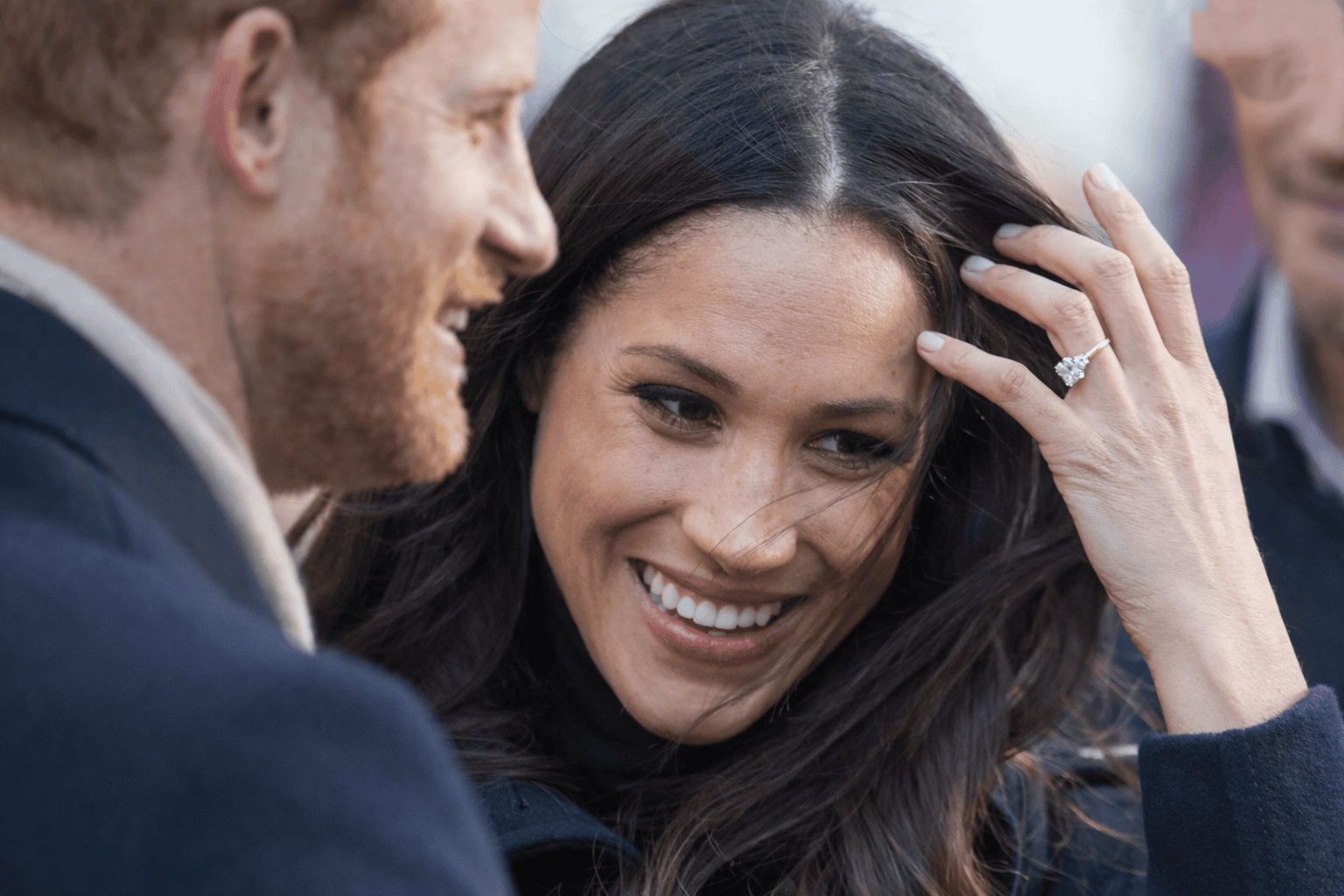
The British media went agog last week after The Telegraph broke the news that Prince Harry and Meghan Markle are planning to move back to Britain with their children.
According to the report, the couple plan to return to Britain, while Archie and Lilibet have been enrolled at a British school for September. Harry and Meghan are not returning as working royals and are expected to maintain their home and life in America.
A Family Decision, But Hardly a Quiet One
On the face of it, this is a straightforward family decision. Harry is British, Meghan is his wife, and their children have British royal heritage. They are private citizens with every right to decide where they want to live and educate their children.
The announcement, however, has produced a remarkable reaction. Questions about why they are coming back have dominated coverage, with commentators debating their motives, security arrangements, relationship with the Royal Family and whether the move will be permanent. The Washington Post described the British response as “frenzied”, illustrating how quickly the announcement became another national conversation about the Sussexes.
What Has Changed?
There is a more interesting question beneath all of this: what has changed?
The question matters because of Meghan’s own description of life in Britain as a working member of the Royal Family.
During her 2021 interview with Oprah Winfrey, Meghan said the pressure surrounding her life inside the monarchy and the intense media scrutiny had become so severe that she experienced suicidal thoughts. She said she reached a point where she did not want to be alive anymore.
Those were extraordinary claims, and they intensified an already bitter debate about the British press, racism, the Royal Family and the treatment of Meghan as a biracial American woman who had married into one of the world’s most scrutinised families.
Harry subsequently became one of the most vocal critics of the British media, including through his legal battles with newspapers. Now the same country is preparing to receive his family again.
Has Britain Changed, or Have They?
That raises an uncomfortable question: has Britain changed, or have Harry and Meghan simply changed their minds?
There are perfectly reasonable explanations for the decision. Their children are older, and they may want Archie and Lilibet to develop a stronger connection with their father’s country and family. Harry may also want to spend more time with his father, King Charles. Circumstances change, priorities evolve and people sometimes return to places they once decided to leave.
There is nothing inherently contradictory about any of that.
The media is another matter.
Interest in Harry and Meghan has not diminished. The announcement of their planned return has generated another wave of coverage, with their motives being examined, their family relationships analysed, their security debated and their children’s education placed at the centre of the national conversation.
If the Sussexes are coming back to a country whose media environment Meghan once described as deeply damaging, what exactly has changed about that environment?
The Jason Arday Question
That question has become more relevant following the controversy surrounding the late Professor Jason Arday.
Arday, a former Cambridge sociology professor and the university’s youngest Black professor, died at 41 after a period of intense public scrutiny surrounding allegations about his academic work. He denied plagiarism allegations but acknowledged mistakes and resigned from Cambridge. His death has since triggered a fierce debate about race, academic accountability and the role of the media.
Some of Arday’s supporters have accused sections of the media of subjecting him to a racist and relentless campaign, while Cambridge itself condemned what it described as a “racist frenzy”. Others have argued that legitimate allegations must be investigated and reported regardless of a person’s race or status.
The distinction is important because there is no established evidence that media coverage caused Arday’s death. His case should therefore not be used to make a simplistic claim that journalism was responsible for his death.
What it does raise, however, is a legitimate question about the limits of public scrutiny and the point at which accountability can become a pile-on.
Accountability or Obsession?
That question is relevant to Meghan’s experience too.
It does not mean she should be protected from criticism. Harry and Meghan are public figures who have chosen to tell their story through interviews, documentaries, Harry’s memoir and commercial ventures. Public scrutiny is an inevitable part of that decision, particularly when their story involves one of the world’s most famous families.
At the same time, accountability and obsession are not the same thing. Legitimate criticism and personal hostility are not the same thing. Journalism that holds powerful people to account is different from journalism that turns individuals into permanent objects of public fascination.
The Test Is Bigger Than Harry and Meghan
This is why the Sussexes’ planned return is more interesting than another argument about whether they deserve to come home.
They do not need permission to return to Britain, and their decision to do so does not automatically mean a return to royal duties.
The more important question is whether they can return without the same cycle of scrutiny beginning again.
Harry and Meghan may have changed, Britain may have changed, or the couple may simply feel better equipped to deal with the attention. At this stage, we cannot know which explanation is correct.
What we can see is that the media reaction has already begun.
The Telegraph broke the story, Britain reacted, and within days the Sussexes were once again at the centre of an enormous national conversation. They have not returned, and the scrutiny has already arrived.
That leaves us with a question that goes beyond the Sussexes themselves. If Meghan once described her experience in Britain as so painful that she reached a point where she did not want to be alive, what has changed enough for her to want to bring her children back?
And if the answer is that Britain itself has changed, then perhaps the harder question is whether the British media has changed too.

Oliver Grant is a British journalist based in London, known for his calm insight, clear storytelling and thoughtful approach to social affairs, politics and culture. His work combines investigative depth with human-centred reporting, exploring the issues that shape communities and public life. Through digital and broadcast platforms, Oliver brings a balanced perspective to complex subjects, championing journalism that informs, challenges and encourages meaningful conversations.